Barley malt material handling equipment is a specialized system designed to efficiently transport and manage barley malt, a key ingredient in the brewing industry. This equipment plays a crucial role in ensuring the smooth flow of raw materials from storage to processing stages, optimizing production efficiency and maintaining product quality. The system, engineered by Shandong HeadPowder Engineering Co., Ltd., is tailored to meet the diverse needs of breweries, from small craft operations to large industrial facilities, providing reliable and efficient material handling solutions.
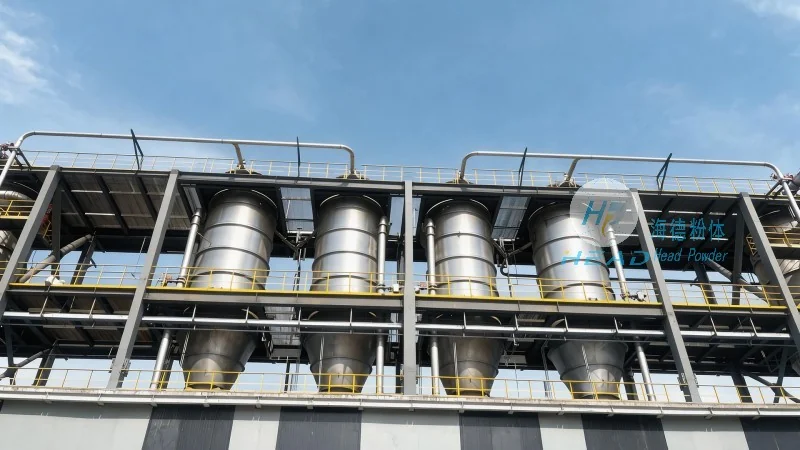
Overview of Barley Malt Material Handling Equipment
The core components of barley malt material handling equipment include feeders, conveyors, elevators, and storage bins. These components work in tandem to handle the bulk movement of barley malt, which is often in a loose, granular form. The system is engineered to handle varying capacities, from small-scale craft breweries to large industrial facilities, adapting to different production needs. Key features include durability, low maintenance requirements, and the ability to handle abrasive materials without significant wear, ensuring long-term operational reliability.
Key Components and Their Functions
The operation of barley malt material handling equipment relies on several critical components, each with a specific function: 1. Feeders: These devices regulate the flow of barley malt from storage bins to the conveyor system. They ensure a consistent and controlled feed rate, preventing overloading or underfeeding that could disrupt the processing line. 2. Conveyors: Conveyors, such as belt or screw conveyors, transport the malt horizontally or vertically. Belt conveyors are common for horizontal transport due to their efficiency and ability to handle large volumes, while screw conveyors are ideal for vertical lifting or compact spaces. 3. Elevators: Vertical conveyors that lift malt from lower to higher levels, often used to feed upper processing units or storage areas. 4. Storage Bins: Large containers that store raw barley malt, providing a buffer for production fluctuations and ensuring a steady supply to the handling system. Each component is designed to work seamlessly with the others, minimizing downtime and maximizing throughput.
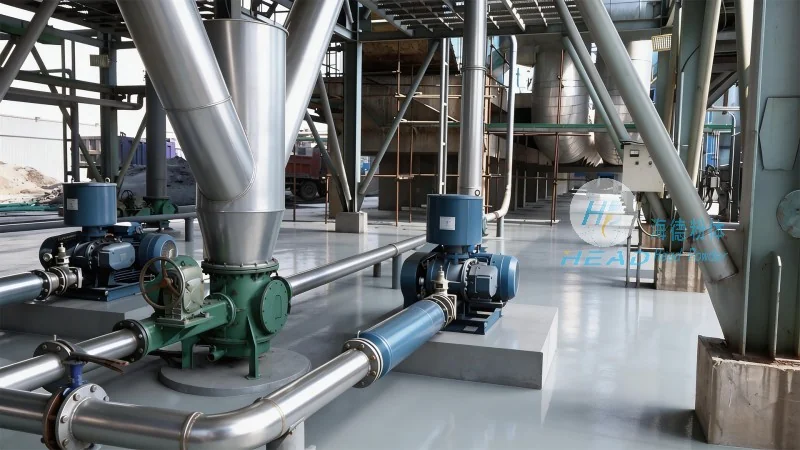
Operation Process: Step-by-Step Workflow
The operation process of barley malt material handling equipment follows a systematic workflow to ensure efficient material movement. The process begins with the malt being stored in the storage bins. A feeder then regulates the flow of malt from the bin into the conveyor system. The conveyor transports the malt to the processing area, where it may be further handled by additional equipment like mixers or mash tuns. The workflow is typically as follows: 1. Storage and Initial Feeding: Barley malt is stored in the storage bins. The feeder adjusts the feed rate based on production demand, ensuring a steady supply to the conveyor. 2. Horizontal Transport: The belt conveyor moves the malt horizontally from the storage area to the processing line. 3. Vertical Lifting: If the processing area is at a higher elevation, a vertical elevator lifts the malt to the required height. 4. Integration with Processing Equipment: The malt is then transferred to the next stage of the brewing process, such as mashing or fermentation. This step-by-step process ensures that the malt is handled safely and efficiently, minimizing material loss and optimizing the overall production cycle.
Working Principles: Mechanical and Control Systems
The working principles of barley malt material handling equipment rely on mechanical and control systems to achieve precise and reliable operation. Mechanical systems include gears, belts, and motors that drive the movement of components. For example, the feeder uses a rotating mechanism to control the flow of malt, while the conveyor utilizes a motor-driven belt to transport the material. Control systems, often integrated with sensors and programmable logic controllers (PLCs), monitor the operation and adjust parameters as needed. Sensors detect the level of malt in the storage bins, the speed of the conveyor, and the position of the elevator, providing real-time data to the control system. The PLC then adjusts the feeder speed or conveyor speed to maintain optimal flow rates. This closed-loop control system ensures that the equipment operates within specified parameters, preventing overloading, underfeeding, or other issues that could affect production quality. Additionally, the equipment is designed with safety features, such as emergency stop buttons and protective guards, to ensure the safety of operators and prevent accidents during operation.

Advantages and Applications in the Brewing Industry
Barley malt material handling equipment offers several advantages that make it essential in the brewing industry. These advantages include improved efficiency, reduced labor costs, and enhanced product quality. The equipment is designed to handle large volumes of malt, reducing the time and effort required for manual handling. This leads to increased production throughput and lower operational costs. Additionally, the equipment minimizes material loss, as the system is engineered to handle the malt with minimal spillage or degradation. The consistent flow of malt also ensures that the brewing process is more uniform, resulting in higher quality beer products. The equipment is widely used in both small and large breweries, from craft breweries producing specialty beers to large industrial facilities producing mass-market beers. Its adaptability to different production scales makes it a versatile solution for various brewing operations.
Maintenance and Operational Considerations
Proper maintenance is crucial to ensure the long-term performance and reliability of barley malt material handling equipment. Regular maintenance tasks include cleaning the conveyor belts and components to prevent buildup of malt residue, lubricating moving parts to reduce friction and wear, and inspecting sensors and control systems for proper functionality. The equipment should be inspected regularly for signs of wear and tear, such as worn belts or loose components, and replaced as needed. Operational considerations also include ensuring that the storage bins are properly sealed to prevent moisture and contamination, which can affect the quality of the malt. Additionally, operators should be trained on the proper use and maintenance of the equipment to prevent accidents and ensure optimal performance. By following these maintenance and operational guidelines, breweries can maximize the lifespan of their equipment and minimize downtime, ensuring consistent and efficient production.




