Polymers such as polytetrafluoroethylene (PTFE) are widely used in various industrial applications due to their exceptional chemical resistance, thermal stability, and low friction properties. Handling PTFE materials efficiently requires specialized equipment designed to maintain the integrity of the material while ensuring safe and reliable operation. This article provides an overview of the operation process and working principles of PTFE material handling equipment, highlighting key components, operational steps, and the technical aspects that contribute to effective material transport.
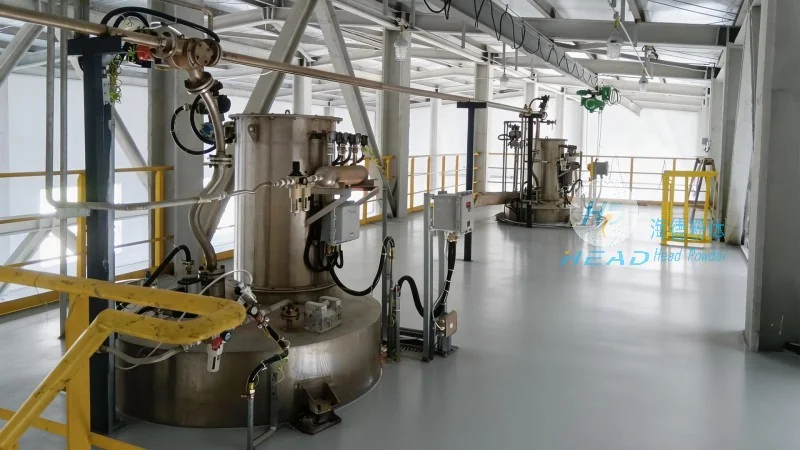
Company Overview: Shandong HeadPowder Engineering Co., Ltd.
Shandong HeadPowder Engineering Co., Ltd., commonly known as headpowder, is a leading manufacturer specializing in the design and production of advanced material handling systems. With a focus on precision engineering and customer-centric solutions, the company has established itself as a trusted partner in the chemical and industrial sectors. Headpowder's facilities are located in Shandong, China, where state-of-the-art technology and rigorous quality control ensure the delivery of high-performance equipment tailored to the unique demands of PTFE material processing.
Key Components of PTFE Material Handling Equipment
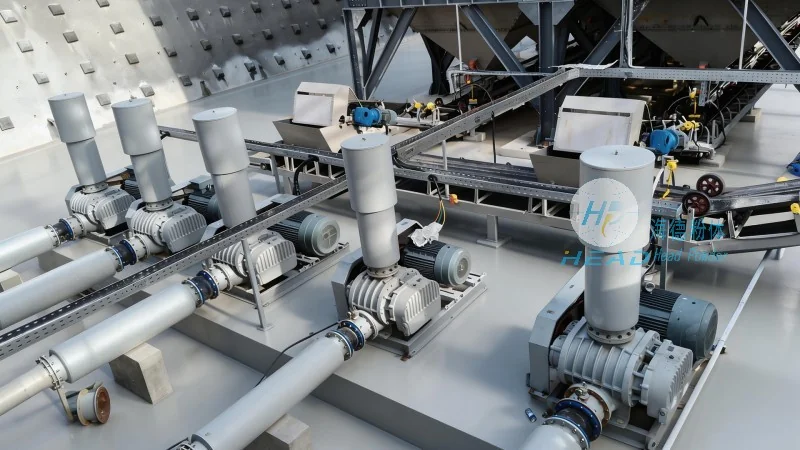
The PTFE material handling equipment typically consists of several critical components that work in tandem to facilitate smooth material transport. These include feed hoppers, conveyor systems, control panels, and discharge mechanisms. The feed hopper is designed to hold and meter the PTFE material, ensuring a consistent flow into the conveyor. The conveyor system, often equipped with specialized belts or rollers, is engineered to handle the low friction and non-stick characteristics of PTFE, preventing material buildup and ensuring efficient movement. The control panel allows operators to monitor and adjust the speed and direction of the conveyor, while the discharge mechanism safely delivers the material to the next processing stage.
Operation Process of PTFE Material Handling Equipment
The operation of PTFE material handling equipment follows a systematic process that begins with material loading and ends with discharge. First, the PTFE material is introduced into the feed hopper, where it is stored and prepped for transport. The control system then activates the conveyor, which moves the material from the hopper to the discharge point. During this process, the equipment maintains a controlled environment to prevent contamination or degradation of the PTFE material. The speed of the conveyor can be adjusted based on the material characteristics and processing requirements, ensuring optimal performance. Once the material reaches the discharge point, it is collected and prepared for further processing or packaging.
Working Principle of PTFE Material Handling Equipment
The working principle of PTFE material handling equipment is based on mechanical energy transfer and material flow dynamics. The feed hopper provides a controlled supply of PTFE material, which is then transferred to the conveyor via gravity or mechanical feeders. The conveyor system utilizes rollers or belts to move the material along a designated path, leveraging the low friction properties of PTFE to minimize energy consumption and wear. The control panel monitors various parameters, such as speed, pressure, and temperature, to ensure the equipment operates within safe and efficient limits. The discharge mechanism then separates the material from the conveyor, completing the transport cycle. This integrated approach ensures that PTFE materials are handled with precision, maintaining their quality and integrity throughout the process.
Technical Considerations for PTFE Material Handling
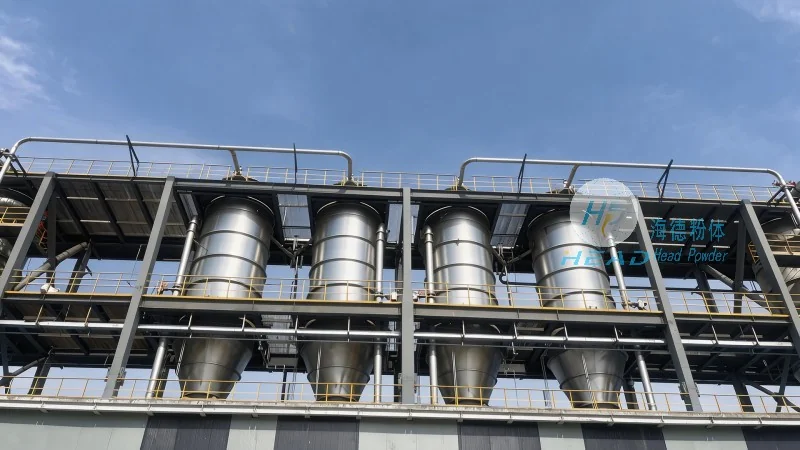
Handling PTFE materials requires careful consideration of several technical factors to ensure the longevity and effectiveness of the equipment. The low coefficient of friction of PTFE means that standard conveyor systems may not provide sufficient grip, leading to material slippage. To address this, specialized conveyor belts with textured surfaces or anti-slip coatings are used to enhance traction. Additionally, the thermal stability of PTFE necessitates equipment that can withstand high temperatures without deformation or material degradation. Materials such as stainless steel or high-grade polymers are commonly used in the construction of the equipment to ensure durability and resistance to chemical exposure. Regular maintenance, including cleaning and lubrication, is also essential to prevent buildup and maintain optimal performance.
Applications of PTFE Material Handling Equipment
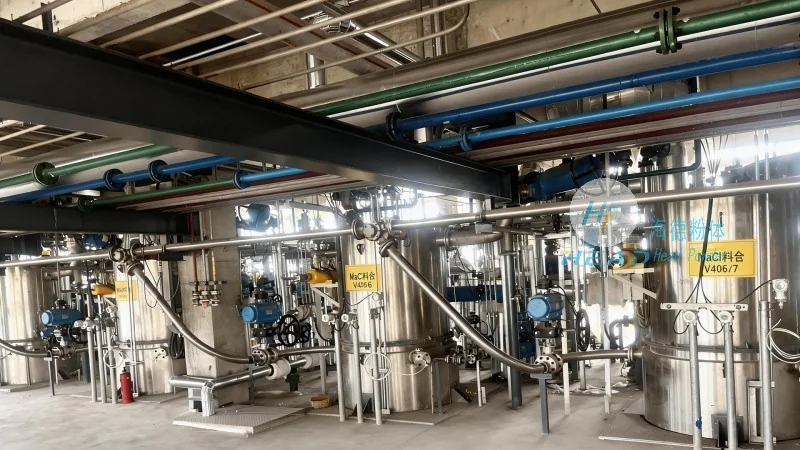
PTFE material handling equipment is widely used in various industrial applications, including chemical processing, pharmaceutical manufacturing, and food processing. In chemical plants, PTFE is often used as a lining material or in the production of specialty chemicals, and the handling equipment ensures that the material is transported without contamination or degradation. In pharmaceutical applications, the equipment is used to handle PTFE-based components for medical devices, where purity and sterility are critical. In food processing, the equipment is employed to transport PTFE-coated products or components, ensuring compliance with food safety regulations. The versatility of PTFE material handling equipment makes it an essential tool in industries where material integrity and performance are paramount.
Conclusion
In conclusion, the operation process and working principles of PTFE material handling equipment are critical to ensuring efficient and reliable material transport in industrial settings. The specialized design and components of this equipment address the unique challenges of handling PTFE materials, such as low friction and thermal stability. Companies like Shandong HeadPowder Engineering Co., Ltd. play a vital role in providing high-quality equipment that meets the demands of modern industrial applications. By understanding the operation and working principles of PTFE material handling equipment, industries can optimize their processes, enhance material quality, and improve overall operational efficiency.




