Carboxymethyl cellulose (CMC) is a widely used industrial chemical, and the efficient handling of CMC materials is crucial for various production processes. The material handling equipment designed for CMC, such as the systems developed by Shandong HeadPowder Engineering Co., Ltd., plays a vital role in ensuring smooth and reliable material transport. This article will explore the operation process and working principle of such equipment, providing insights into how these systems enhance industrial productivity and material management.
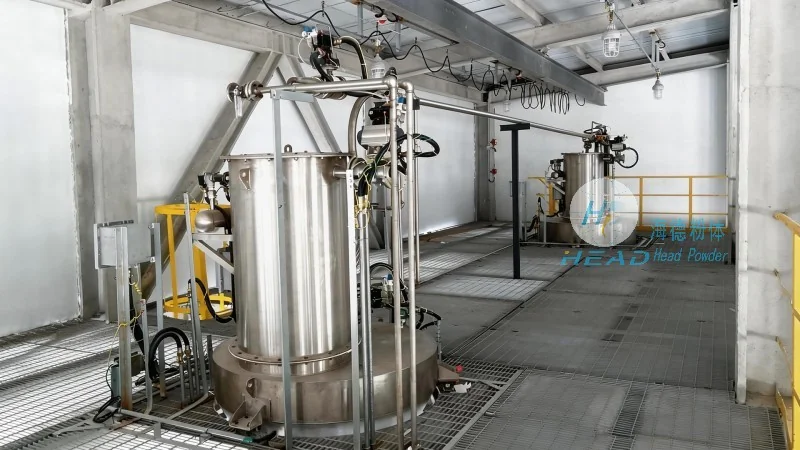
Overview of Carboxymethyl Cellulose Material Handling Equipment
Carboxymethyl cellulose material handling equipment is specifically engineered to handle the unique properties of CMC, which includes its hygroscopic nature and varying viscosity depending on the concentration and molecular weight. The equipment from Shandong HeadPowder Engineering Co., Ltd. is designed with features that address these characteristics, ensuring safe and efficient material transport. These systems typically consist of components like feeders, conveyors, storage tanks, and control units, all integrated to form a cohesive material handling solution for CMC applications.
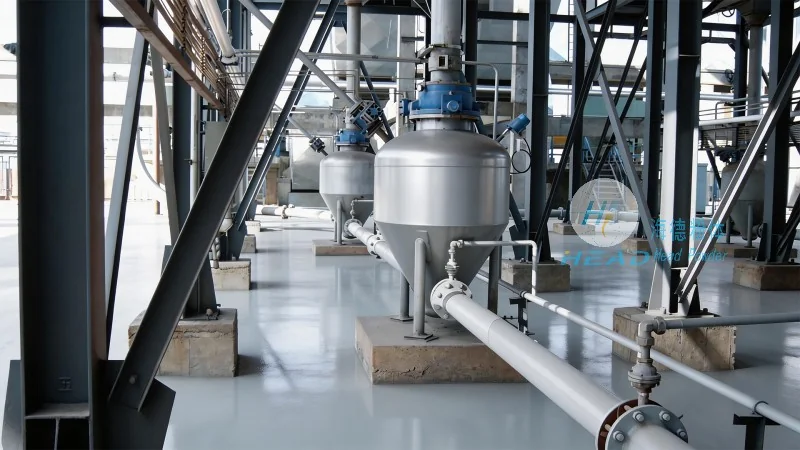
Operation Process of the Material Handling Equipment
The operation process of the carboxymethyl cellulose material handling equipment involves several key steps that ensure the material is transported from the storage to the processing or packaging stage. Initially, the CMC material is fed into the system, often from a bulk storage tank or silo. The feeder unit, which may be a screw feeder or a rotary valve, regulates the flow rate of the material into the conveyor system. The conveyor, which can be a belt conveyor, screw conveyor, or pneumatic conveyor depending on the specific application, transports the CMC material through the system. During this process, the equipment may include a mixing or blending unit to adjust the consistency of the CMC if required. The material is then directed to the next processing stage or storage location, with the control system monitoring and adjusting parameters such as flow rate, pressure, and temperature to maintain optimal performance. The entire operation is automated, with the control unit ensuring consistent and reliable material transport, minimizing downtime and maximizing efficiency.
Working Principle of the Material Handling Equipment
The working principle of the carboxymethyl cellulose material handling equipment is based on mechanical and pneumatic systems that work in tandem to move the material. The mechanical components, such as screw conveyors or belt conveyors, use rotational motion to transport the material along the designated path. The screw conveyor, for example, consists of a rotating screw inside a trough, which pushes the material forward as it rotates. This method is effective for handling bulk materials like CMC, as it can maintain a consistent flow rate and prevent material bridging or clogging. The pneumatic conveyor system, on the other hand, uses air pressure to move the material through a pipeline. This is particularly useful for handling fine or dusty CMC powders, as it can transport the material over longer distances without the need for mechanical contact. The control system plays a critical role in the working principle, as it monitors the flow rate, pressure, and temperature of the material and adjusts the equipment settings accordingly. Sensors are integrated into the system to detect any blockages or changes in material flow, triggering alerts or automatic adjustments to maintain the smooth operation of the equipment. The combination of mechanical and pneumatic systems, along with advanced control technology, ensures that the carboxymethyl cellulose material handling equipment operates efficiently and reliably, meeting the demands of industrial applications.
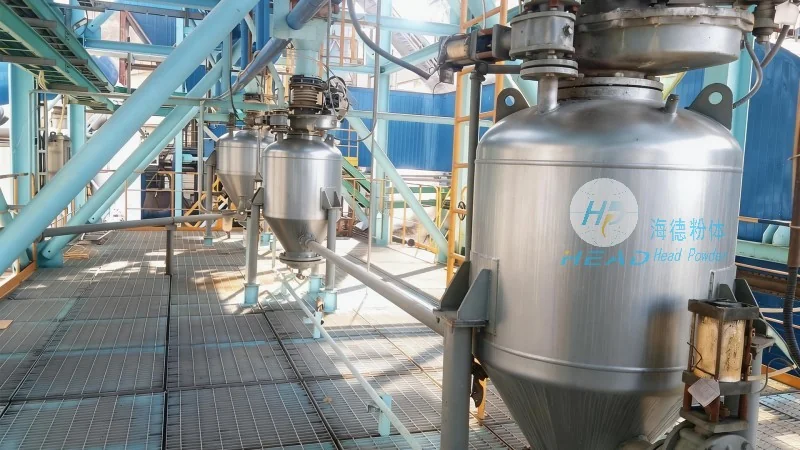
Advantages of the Carboxymethyl Cellulose Material Handling Equipment
The carboxymethyl cellulose material handling equipment from Shandong HeadPowder Engineering Co., Ltd. offers several advantages that make it suitable for various industrial applications. One of the key advantages is its ability to handle the hygroscopic nature of CMC, as the equipment is designed to minimize exposure to moisture and air, preventing the material from clumping or degrading. The equipment also ensures consistent material flow, which is crucial for maintaining the quality of the final product. The automated control system reduces the need for manual intervention, improving operational efficiency and reducing labor costs. Additionally, the equipment is designed for easy maintenance and cleaning, which is important for handling materials like CMC that can adhere to surfaces. The use of durable materials and components ensures the longevity of the equipment, providing a reliable solution for long-term material handling needs. Overall, the carboxymethyl cellulose material handling equipment enhances productivity, reduces material waste, and ensures the quality of the CMC product, making it an essential component in industrial processes.




