HeadPowder, a leading manufacturer based in Shandong, China, specializes in the design and production of advanced corn material conveying systems. This article provides a detailed overview of the operation process and working principles of corn material conveying lines, highlighting the key components, operational steps, and technical aspects that ensure efficient material handling in agricultural and industrial settings.
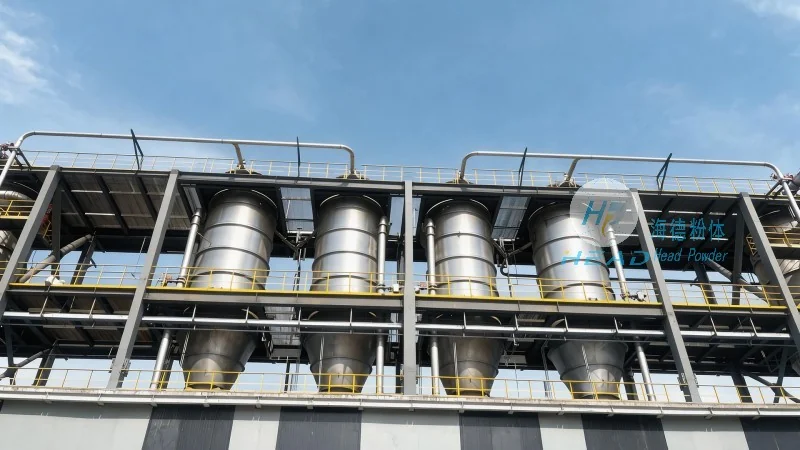
Introduction to Corn Material Conveying Lines
Corn material conveying lines are essential equipment used in the agricultural and food processing industries to transport corn kernels, cobs, and other related materials from one location to another. These systems are engineered to handle bulk materials with high efficiency, reliability, and minimal downtime. The design of these lines typically integrates various components such as feeders, conveyors, elevators, and storage bins, all working in tandem to ensure smooth material flow.
Key Components of a Corn Material Conveying Line
The corn material conveying line consists of several critical components that work together to achieve the desired material handling objectives. The primary components include:
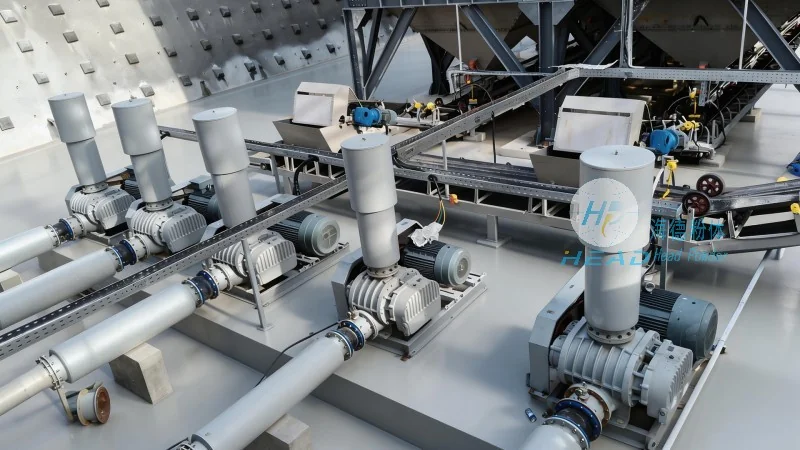
- Feeders: These devices are responsible for uniformly feeding corn material into the conveying system. Common types include gravity feeders, belt feeders, and screw feeders, each designed to handle different material characteristics and flow rates.
- Conveyors: Conveyors are the core transport mechanisms that move corn material horizontally or vertically. They can be categorized into belt conveyors, chain conveyors, and pneumatic conveyors, each offering unique advantages in terms of speed, capacity, and material compatibility.
- Elevators: Elevators are used to lift corn material vertically, often to higher storage levels or processing units. Screw elevators and bucket elevators are commonly employed, providing the necessary vertical lift while maintaining material integrity.
- Storage Bins: These are large containers used to store the conveyed corn material, ensuring a steady supply for downstream processes. The bins are typically equipped with discharge gates or valves to control material release.
- Control Systems: Modern corn material conveying lines are equipped with advanced control systems that monitor and regulate the operation of all components. These systems include sensors, controllers, and automation software to ensure optimal performance and safety.
Step-by-Step Operation Process
The operation of a corn material conveying line follows a systematic sequence of steps, starting from material intake to final discharge. The process can be broken down as follows:
- Material Intake: Corn material is first collected from the source, such as a field or storage silo. The material is then fed into the system using a feeder, which ensures a consistent flow rate.
- Horizontal Conveying: The material is transported horizontally through the conveyor system. Belt conveyors are commonly used for this stage, as they can handle large volumes of corn kernels with minimal friction and material damage.
- Vertical Lift: After horizontal transport, the material is lifted vertically using an elevator. This step is crucial for moving the material to higher levels, such as storage bins or processing equipment.
- Storage and Distribution: The lifted material is deposited into a storage bin. From there, it can be discharged as needed for further processing or packaging.
- Control and Monitoring: Throughout the entire process, the control system continuously monitors parameters such as flow rate, pressure, and temperature. Any deviations are automatically adjusted to maintain optimal operation.
Working Principle of Corn Material Conveying Lines
The working principle of corn material conveying lines is based on the mechanical transfer of bulk materials using various conveying mechanisms. The core concept is to convert the potential energy of the material into kinetic energy through the operation of the conveying components. For example, belt conveyors use a moving belt to pull the material along its path, while screw conveyors utilize rotating screws to push the material forward.
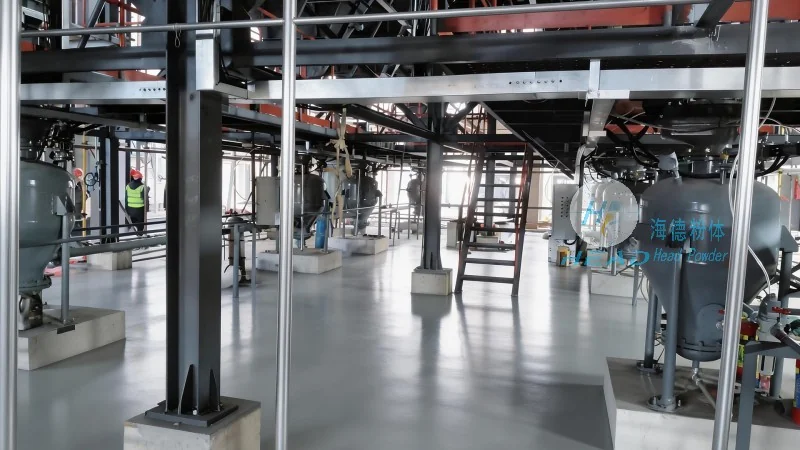
Each component in the system is designed to complement the others, ensuring a seamless flow of material. The feeders regulate the intake rate, the conveyors transport the material, the elevators lift it vertically, and the storage bins hold it until further use. The control system integrates all these functions, providing real-time monitoring and adjustment to maintain efficiency and safety.
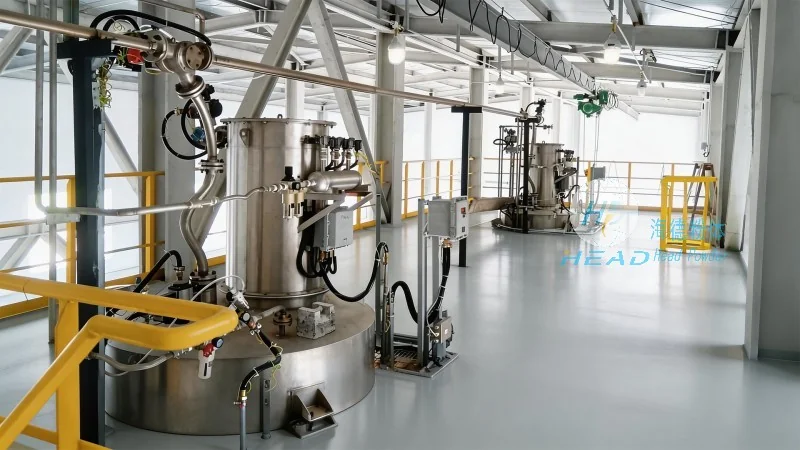
Advantages of Corn Material Conveying Lines
Implementing a corn material conveying line offers several advantages for agricultural and industrial operations. These include:
- Increased Efficiency: The automated nature of the system reduces labor requirements and minimizes downtime, leading to higher production rates.
- Improved Material Handling: The system ensures consistent material flow, reducing the risk of blockages or material loss.
- Enhanced Safety: The enclosed design of the conveying line minimizes dust exposure and prevents accidents associated with manual handling.
- Scalability: The modular design of the system allows for easy expansion or modification to accommodate changing production needs.
- Reduced Labor Costs: Automation reduces the need for manual labor, lowering operational costs over time.
Conclusion
HeadPowder's corn material conveying lines are engineered to meet the demanding requirements of modern agricultural and food processing industries. By understanding the operation process and working principles of these systems, users can optimize their material handling operations, improve efficiency, and enhance overall productivity. With a focus on quality and innovation, HeadPowder continues to provide reliable and efficient solutions for corn material conveying needs in China and beyond.




