HeadPowder, a leading manufacturer based in Shandong, China, specializes in the design and production of advanced material conveying systems, including the flake graphite powder material conveying line. This article provides a detailed overview of the operation process and working principle of such systems, highlighting their efficiency and reliability in handling flake graphite powder.
Introduction to the Flake Graphite Powder Conveying Line
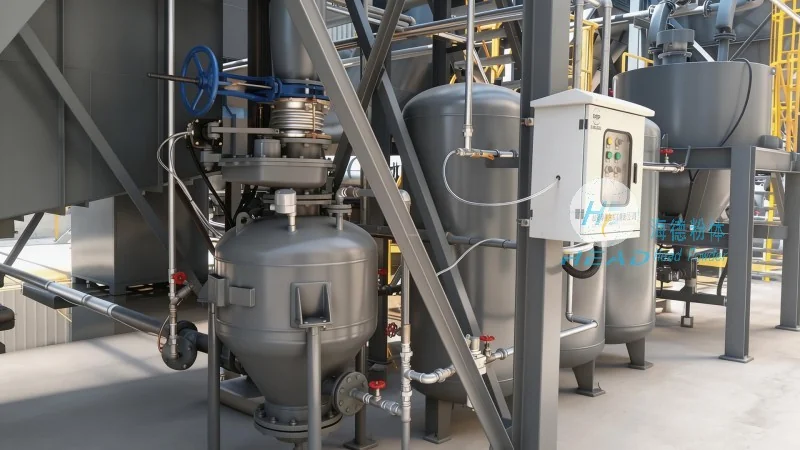
The flake graphite powder material conveying line is a specialized system engineered to transport flake graphite powder, a critical material in various industrial applications such as battery manufacturing, lubricants, and refractory materials. The system integrates multiple components, including feeders, conveyors, and control units, to ensure seamless and efficient material handling. HeadPowder's expertise in material handling technology ensures that these lines are tailored to meet the specific requirements of clients, optimizing performance and minimizing downtime.
Key Components of the Conveying Line
The operation of the flake graphite powder material conveying line relies on several key components that work in harmony to achieve efficient material transport. The primary components include:
1. Material Feeder: This component is responsible for uniformly feeding flake graphite powder into the conveying system. It ensures a consistent flow rate, preventing overloading or underfeeding that could disrupt the entire process. The feeder may be a rotary valve or a screw feeder, depending on the specific application and material characteristics.
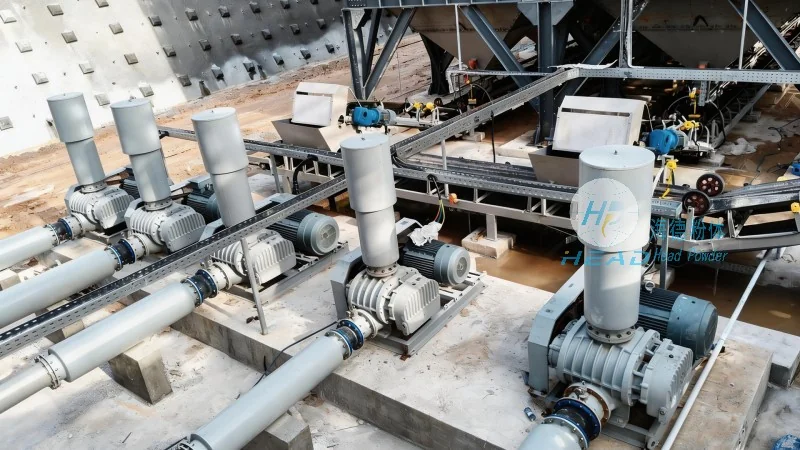
2. Conveyor System: The conveyor system is the core of the material conveying line, responsible for transporting the flake graphite powder from the feeder to the discharge point. Common types of conveyors used include belt conveyors, screw conveyors, and pneumatic conveyors. For flake graphite powder, which is lightweight and can be prone to dusting, a belt conveyor with a smooth surface or a screw conveyor with a low-speed design is often preferred to minimize material degradation and ensure smooth transport.
3. Control Unit: The control unit manages the entire operation of the conveying line, including the speed of the feeder, the conveyor, and any auxiliary equipment. It uses sensors and control algorithms to monitor the material flow, adjust parameters in real-time, and prevent overloads or blockages. The control unit ensures that the system operates within safe and efficient parameters, enhancing overall performance and reducing maintenance needs.
Operation Process of the Conveying Line
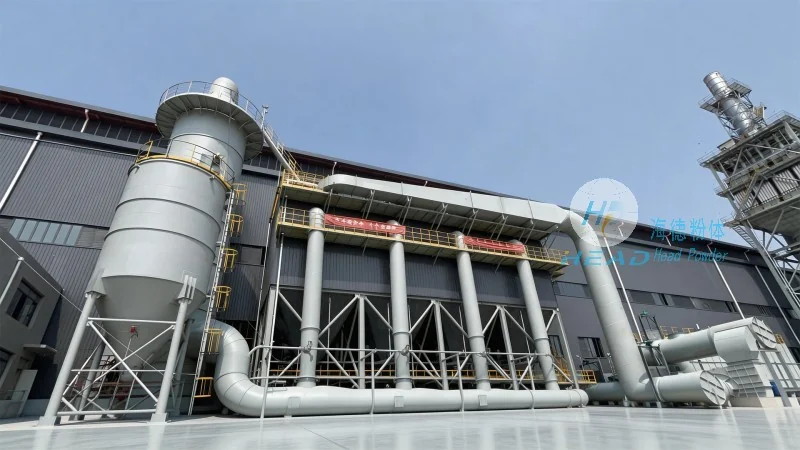
The operation process of the flake graphite powder material conveying line typically follows a sequential workflow designed to maximize efficiency and minimize waste. The process begins with the loading of flake graphite powder into the storage hopper. The powder is then fed into the material feeder, which regulates the flow rate and delivers it to the conveyor system. The conveyor transports the powder to the discharge point, where it is collected in a receiving container or transferred to the next processing stage.
During operation, the control unit continuously monitors the system's performance. Sensors detect the level of material in the hopper and the flow rate through the feeder and conveyor. If any parameter deviates from the set points, the control unit automatically adjusts the feeder speed or conveyor speed to maintain optimal operation. This closed-loop control system ensures that the conveying line operates smoothly and consistently, even under varying load conditions.
Working Principle of the Conveying Line
The working principle of the flake graphite powder material conveying line is based on the principles of material handling and fluid dynamics. The system utilizes mechanical force to move the flake graphite powder from the source to the destination. The material feeder provides the initial force by pushing or pulling the powder into the conveyor. The conveyor then uses friction or gravity to transport the powder along its path.
For flake graphite powder, which has a high specific surface area and can be prone to static electricity, the design of the conveying line is critical to prevent material buildup and ensure smooth flow. Anti-static measures, such as grounding the conveyor and using conductive materials, are often incorporated to mitigate static discharge and maintain material integrity. Additionally, the conveyor system is designed with smooth surfaces and gentle slopes to minimize material degradation and prevent clogging.
Benefits and Applications of the Conveying Line
The flake graphite powder material conveying line offers several benefits that make it an ideal solution for industrial applications. These benefits include:
1. High Efficiency: The system is designed to handle large volumes of flake graphite powder with minimal energy consumption, ensuring cost-effective operation.
2. Low Maintenance: The use of durable materials and robust components reduces the need for frequent maintenance, minimizing downtime and operational costs.
3. Customization: HeadPowder can customize the conveying line to meet specific client requirements, including different conveyor lengths, speeds, and material handling capacities.
4. Reliability: The closed-loop control system and robust design ensure that the line operates reliably, even under challenging conditions, providing consistent material delivery.
These benefits make the flake graphite powder material conveying line suitable for a wide range of applications, including battery production, where high-purity flake graphite is used as an anode material, and lubricant manufacturing, where flake graphite is used to enhance lubricity and reduce friction.
Conclusion
HeadPowder's flake graphite powder material conveying line is a highly efficient and reliable system designed to meet the demanding requirements of industrial applications. By integrating advanced components and control technologies, the system ensures smooth and consistent material transport, minimizing waste and maximizing productivity. With its customization options and robust design, the conveying line is an ideal solution for clients seeking to optimize their material handling processes and improve overall operational efficiency.




