For industries dealing with sodium nitrate, the efficiency and safety of material handling systems are critical. This article provides an in-depth look at the operation process and working principles of specialized equipment designed for transporting sodium nitrate, highlighting the technical aspects and operational considerations that ensure optimal performance.
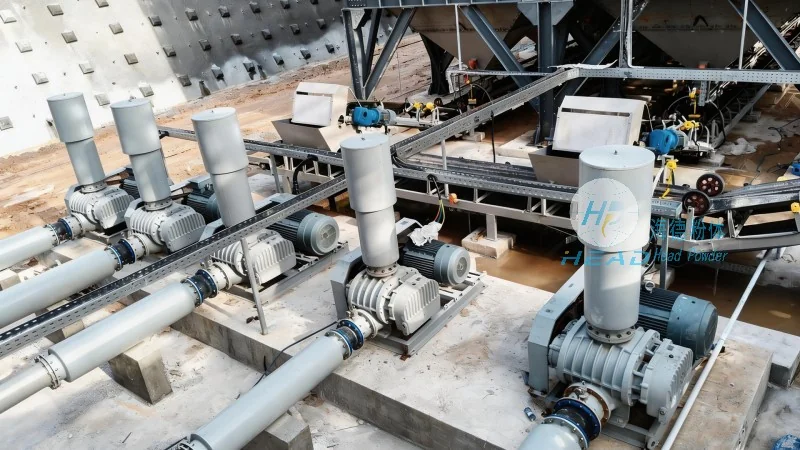
Overview of Sodium Nitrate Material Handling Systems
Sodium nitrate, a white crystalline solid, is widely used in agriculture, food processing, and industrial applications. The material handling systems for sodium nitrate must be designed to handle its physical properties, such as its tendency to absorb moisture and its potential to cause corrosion in certain environments. The equipment used in these systems is engineered to ensure safe and efficient transport, storage, and processing of the material.
Key Components and Their Functions
The sodium nitrate material handling system typically consists of several key components, each playing a vital role in the overall operation. These components include feeders, conveyors, storage silos, and control systems. Each component is selected based on the specific requirements of the application, such as the volume of material to be handled, the distance it needs to be transported, and the environmental conditions.
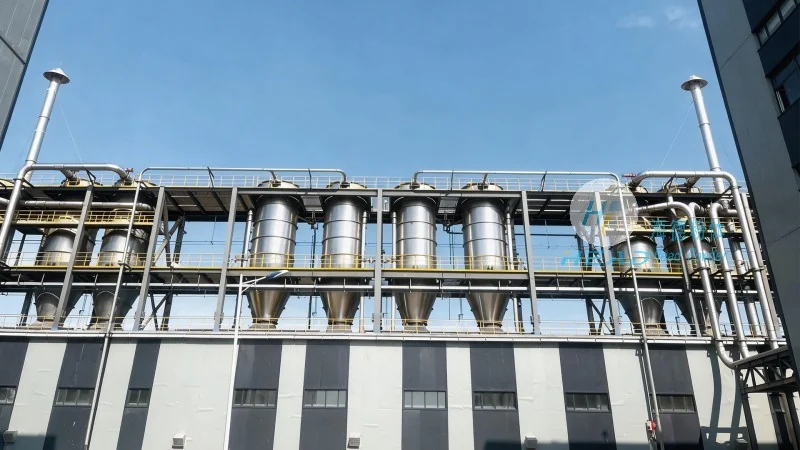
Operation Process of the System
The operation process of the sodium nitrate material handling system begins with the material being fed into the system, usually from a storage silo or a bulk container. The feeder then regulates the flow of the material into the conveyor system. The conveyor transports the sodium nitrate to the desired location, such as a processing plant or a storage area. The system may include multiple conveyors and transfer points to handle different stages of the material flow. At each stage, the material is monitored for flow rate, level, and other parameters to ensure smooth operation.
Working Principle of the Equipment
The working principle of the sodium nitrate material handling equipment is based on mechanical and pneumatic systems. Feeders, such as rotary or vibratory feeders, control the flow of the material by adjusting the speed or the angle of the feeding mechanism. Conveyors, including belt or screw conveyors, move the material along the designated path. Storage silos are used to store the material in bulk, with level sensors to monitor the material level and prevent overfilling. Control systems, often integrated with sensors and automation technology, manage the entire process, ensuring that the system operates efficiently and safely.
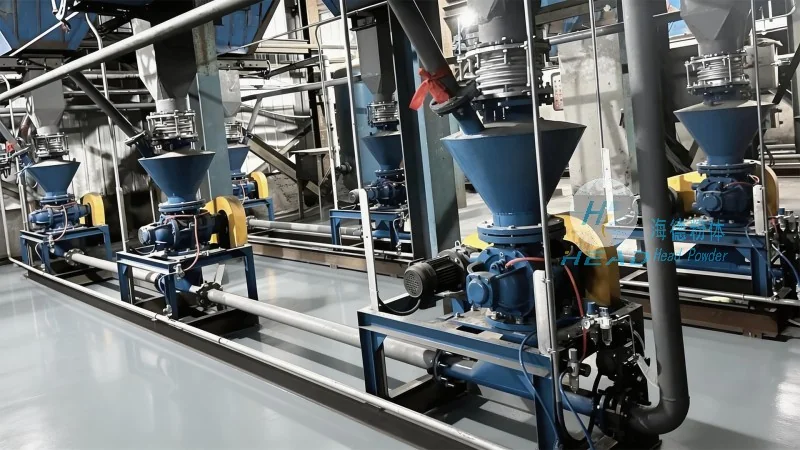
Safety and Maintenance Considerations
Due to the properties of sodium nitrate, such as its potential to cause dust explosions and its corrosive nature in some environments, safety is a top priority in the operation of these systems. Regular maintenance is essential to ensure the longevity and reliability of the equipment. This includes checking for wear and tear on components, cleaning the system to prevent buildup, and performing routine inspections to identify any potential issues before they become major problems.
About Shandong HeadPowder Engineering Co., Ltd.
Shandong HeadPowder Engineering Co., Ltd., operating under the brand name headpowder, is a leading manufacturer of material handling systems for various industrial applications. With a focus on innovation and quality, the company provides customized solutions tailored to the specific needs of its clients. Headpowder's expertise in engineering and manufacturing ensures that their systems are efficient, reliable, and safe for handling sodium nitrate and other materials. The company is committed to providing high-quality products and services, supporting its clients in optimizing their material handling processes.




