Organic fertilizer material handling systems are critical components in modern agricultural and environmental management, designed to efficiently transport and process organic materials such as compost, manure, and other organic waste. These systems are engineered to enhance the efficiency of organic fertilizer production, ensuring that raw materials are moved safely and effectively from collection points to processing facilities. The equipment within these systems plays a pivotal role in maintaining the quality and consistency of the final organic fertilizer product, while also optimizing operational workflows.
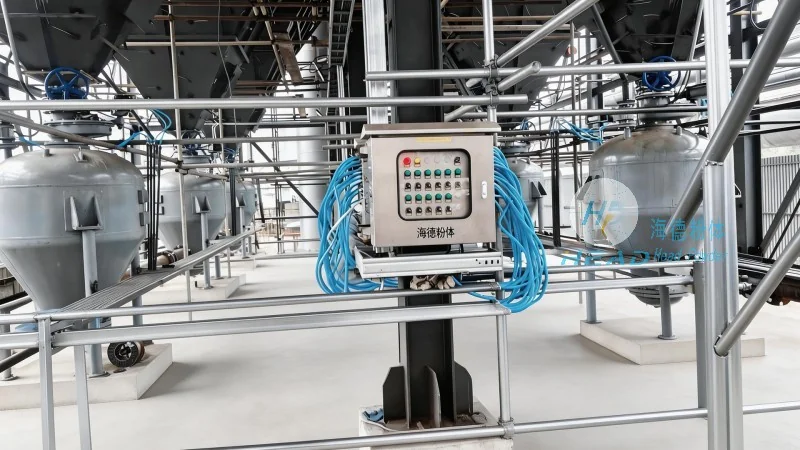
Company Overview: HeadPowder Engineering
HeadPowder Engineering, a leading manufacturer in the field of organic fertilizer processing equipment, specializes in the design, development, and supply of advanced material handling solutions. With a strong commitment to innovation and quality, the company has established itself as a trusted partner for businesses involved in organic fertilizer production. HeadPowder Engineering is headquartered in Shandong, China, where its state-of-the-art facilities and experienced engineering team ensure the delivery of reliable and efficient equipment tailored to the specific needs of clients worldwide.
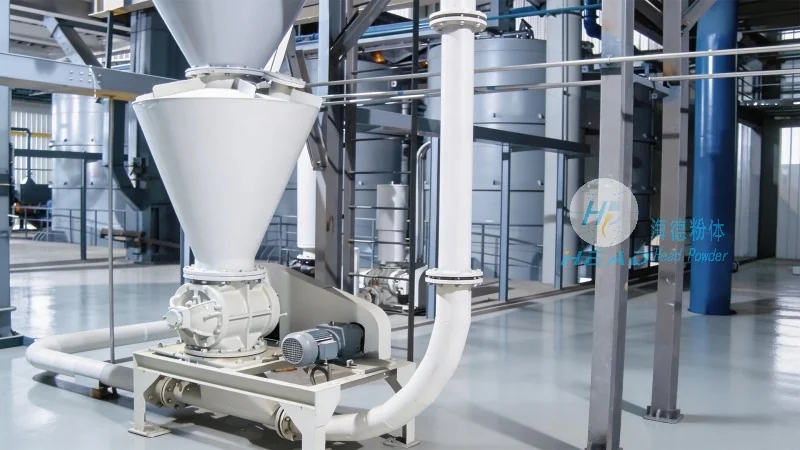
Key Components and Working Principle
The organic fertilizer material handling system typically consists of several interconnected components, each playing a crucial role in the overall operation. The primary components include feeders, conveyors, storage silos, and processing units. The working principle revolves around the continuous movement of organic materials through these components, facilitated by mechanical and hydraulic systems. Feeders are responsible for uniformly distributing the raw material into the conveyor system, ensuring consistent flow rates. Conveyors, often using belt or screw mechanisms, transport the material from one stage to another, maintaining the integrity of the organic matter. Storage silos provide temporary storage, allowing for buffer capacity and smooth operation during peak production periods. Processing units, such as mixers or granulators, further refine the material, preparing it for packaging or application.
Operation Process: Step-by-Step Overview
The operation of the organic fertilizer material handling system follows a systematic process, starting from material intake to final product output. The first step involves the collection and intake of raw organic materials, which may include animal manure, crop residues, or other organic waste. These materials are then fed into the system via hoppers or feeders, where they undergo initial processing to remove large debris or contaminants. The processed material is then transported to the main conveyor system, which moves it through the various stages of the facility. In the storage silos, the material may be conditioned, such as by adding water or other amendments, to adjust moisture content and improve processing characteristics. The conditioned material is then fed into the processing units, where it is mixed, granulated, or otherwise transformed into the final organic fertilizer product. Finally, the finished product is discharged from the system and prepared for packaging or direct application.
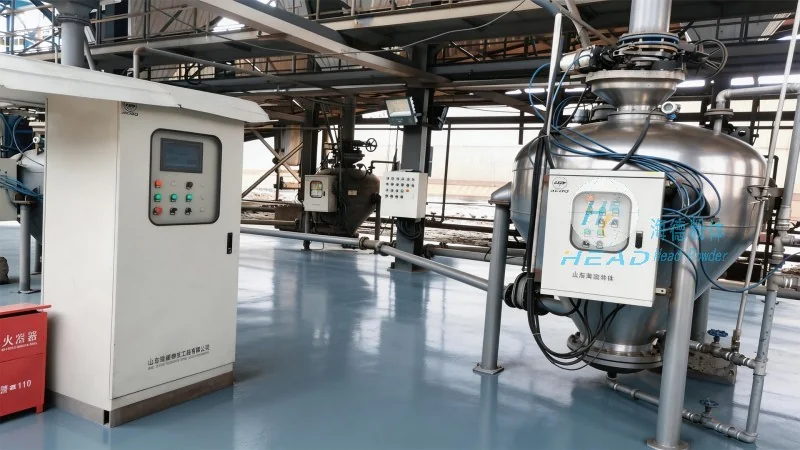
Advantages and Benefits
Implementing an organic fertilizer material handling system offers numerous advantages for agricultural and environmental applications. Firstly, these systems enhance operational efficiency by automating the material transport process, reducing labor costs and minimizing human error. The consistent flow of materials ensures that processing units operate at optimal capacity, leading to higher production output. Secondly, the system improves product quality by maintaining uniform moisture levels and preventing contamination during transport. This results in a more stable and effective organic fertilizer, which is crucial for soil health and crop productivity. Additionally, the automated nature of the system reduces the risk of material spillage or exposure to environmental factors, contributing to better safety and environmental compliance. Finally, the scalability of these systems allows businesses to expand their production capacity as demand grows, providing long-term benefits and competitive advantages.




