Shandong HeadPowder Engineering Co., Ltd., a leading enterprise in the field of material handling solutions, specializes in the design, manufacturing, and installation of advanced conveying systems for various industrial applications. With a focus on efficiency and reliability, the company's cement dry ash material conveying systems are engineered to meet the demanding requirements of modern cement production and processing facilities. This article provides a detailed overview of the operation process and working principle of such systems, highlighting their key components, operational steps, and the technical advantages they offer.
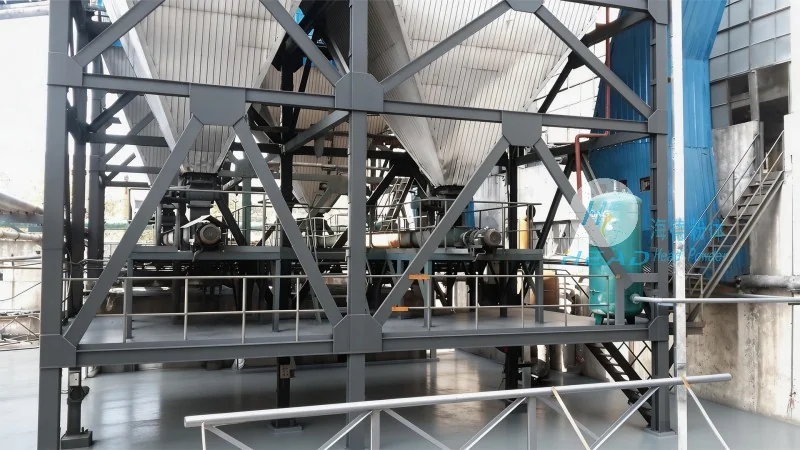
Introduction to Cement Dry Ash Material Conveying Systems
Cement dry ash material conveying systems are critical components in cement production facilities, responsible for transporting dry ash materials, such as fly ash, slag, and other by-products, from storage silos or processing units to the cement clinker production line. These systems are designed to handle large volumes of material with minimal dust generation and high operational efficiency. The systems typically consist of a combination of equipment including feeders, conveyors, and control systems, all integrated to ensure smooth and continuous material flow.
Key Components of the Conveying System
The cement dry ash material conveying system comprises several essential components that work in tandem to achieve efficient material transport. The primary components include:
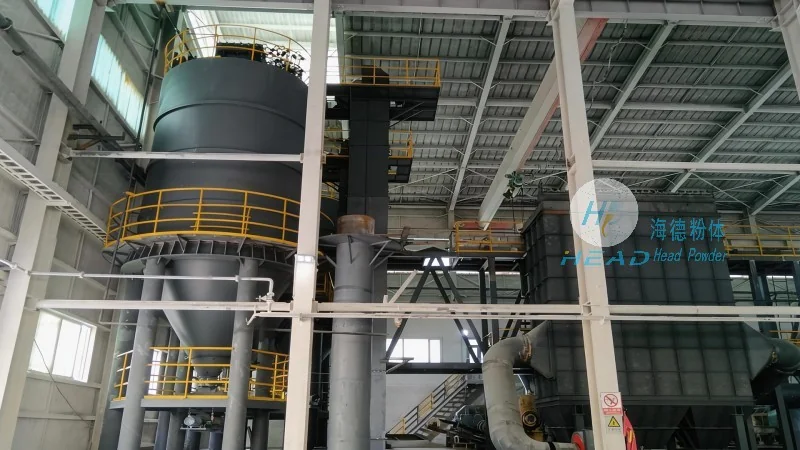
- Material Feeders: These devices are responsible for uniformly feeding the dry ash material from the storage silo into the conveyor system. Common types include rotary feeders and belt feeders, which ensure consistent material flow rates and prevent blockages.
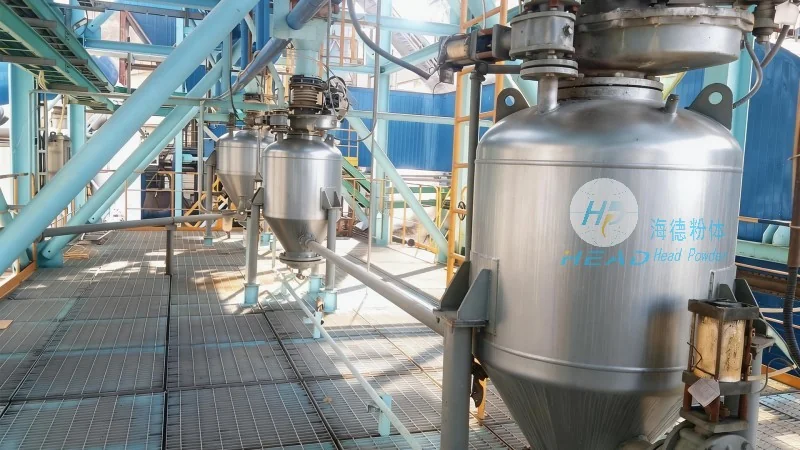
- Conveyors: The core of the system, conveyors transport the material from the feeder to the processing or storage location. Depending on the application, different types of conveyors may be used, such as screw conveyors, bucket elevators, or pneumatic conveying systems. Screw conveyors are widely used for horizontal or slight incline transport due to their simplicity and reliability. Bucket elevators are ideal for vertical transport, while pneumatic systems are suitable for fine powders that require dust-free handling.
- Control Systems: Advanced control systems monitor and regulate the operation of the conveying equipment. These systems include sensors, variable frequency drives (VFDs), and programmable logic controllers (PLCs) that adjust the conveyor speed, feed rate, and other parameters to maintain optimal performance and prevent overloading or underloading.
- Dust Control Equipment: To ensure environmental compliance and worker safety, the system incorporates dust collection and suppression devices. These may include cyclone separators, bag filters, and air knives that capture and remove airborne dust particles, reducing emissions and maintaining a clean working environment.
Working Principle of the Conveying System
The operation of the cement dry ash material conveying system follows a systematic process that ensures continuous and efficient material transport. The working principle can be broken down into the following steps:
- Material Storage and Preparation: Dry ash materials are stored in silos or hoppers, where they are kept in a dry and stable condition. The material is then prepared for feeding by ensuring it is free from large clumps or foreign objects that could damage the equipment.
- Feeding Process: The feeder mechanism, typically a rotary or belt feeder, draws the material from the storage silo and delivers it to the conveyor inlet. The feeder controls the flow rate by adjusting the rotation speed or belt speed, ensuring a consistent supply of material to the conveyor.
- Conveying Process: The conveyor system, such as a screw conveyor or bucket elevator, transports the material from the feeder to the next processing stage. The conveyor rotates, pushing the material forward along its length. The speed of the conveyor is controlled by the VFD to match the feed rate from the feeder, maintaining a balanced material flow.
- Material Discharge: At the end of the conveyor, the material is discharged into the next processing unit, such as a mixer or storage silo. The discharge point is designed to prevent material buildup and ensure smooth transfer to the subsequent equipment.
- Dust Control and Environmental Management: Throughout the conveying process, dust control equipment captures and removes any airborne particles. The collected dust is either recycled back into the system or disposed of according to environmental regulations, ensuring compliance with safety and environmental standards.
Operation Process: Step-by-Step Guide
The operation process of the cement dry ash material conveying system involves several key steps that ensure the system runs smoothly and efficiently. The following is a step-by-step guide to the operation:
- System Startup: Before starting the system, all components are checked for proper alignment, lubrication, and functionality. The control system is activated, and the conveyor speed is set to a low value to allow for a gradual increase in material flow.
- Material Feeding: The feeder is started first, ensuring a steady flow of material into the conveyor. The feed rate is adjusted to match the conveyor's capacity, preventing overloading.
- Conveyor Acceleration: Once the feeder is stable, the conveyor speed is gradually increased to the desired operating speed. The VFD controls the acceleration to avoid sudden changes that could cause material spillage or equipment stress.
- Continuous Operation: The system operates continuously, with the control system monitoring key parameters such as material flow rate, conveyor speed, and dust levels. Any deviations are automatically corrected by the system to maintain optimal performance.
- System Shutdown: When the system is to be shut down, the conveyor speed is reduced to a low value, and the feeder is stopped first to allow the material in the conveyor to be emptied. The control system then shuts down all components, and the system is prepared for maintenance or storage.
Technical Advantages and Benefits
The cement dry ash material conveying system designed by Shandong HeadPowder Engineering Co., Ltd. offers several technical advantages that enhance the efficiency and reliability of cement production facilities. These benefits include:
- High Efficiency and Capacity: The system is engineered to handle large volumes of dry ash material with minimal downtime, ensuring consistent production rates and reduced bottlenecks in the cement manufacturing process.
- Low Maintenance and Longevity: The use of high-quality materials and robust design components reduces the need for frequent maintenance, extending the lifespan of the equipment and lowering long-term operational costs.
- Environmental Compliance: Advanced dust control systems ensure that the operation of the conveying system meets or exceeds environmental regulations, minimizing the impact on the environment and maintaining a safe working environment for personnel.
- Customization and Flexibility: The system can be customized to meet the specific requirements of different cement production facilities, including varying material types, capacities, and operational conditions. This flexibility allows for optimal integration into existing production lines.
Conclusion
Shandong HeadPowder Engineering Co., Ltd. provides advanced cement dry ash material conveying systems that are designed to meet the demanding requirements of modern cement production. By understanding the operation process and working principle of these systems, facility managers can optimize their material handling processes, improve efficiency, and ensure compliance with environmental and safety standards. The company's commitment to quality and innovation ensures that its conveying systems are reliable, efficient, and tailored to the unique needs of each client.




