For industrial applications involving soap granule handling, efficient material transport is crucial. The pneumatic conveying system developed by Shandong HeadPowder Engineering Co., Ltd., a leading provider based in Shandong, China, offers a reliable solution, integrating advanced technology to ensure smooth operation and optimal performance. This article explores the operation process and working principle of the system, highlighting key components and their functions.
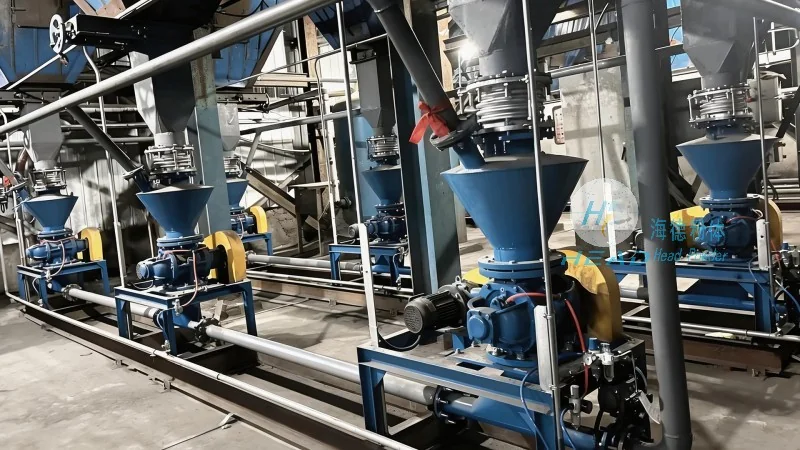
Overview of the Pneumatic Conveying System
The soap granule pneumatic conveying system is designed to transport bulk materials through an enclosed pipeline using air or gas as the conveying medium. It is particularly suitable for applications where dust control, hygiene, and continuous operation are essential. The system comprises several core components, including a material feeder, a conveying pipeline, a pressure vessel or receiver, and a control unit. Each component plays a vital role in the overall process, ensuring that soap granules are moved from the source to the destination without loss or contamination.
Key Components and Their Functions
1. Material Feeder: This component is responsible for feeding soap granules into the conveying pipeline. It can be a rotary valve, a screw feeder, or a hopper with a discharge valve, depending on the system design. The feeder ensures a consistent flow rate, preventing blockages and maintaining system efficiency. 2. Conveying Pipeline: The pipeline is typically made of stainless steel or other corrosion-resistant materials to handle the chemical properties of soap granules. It is designed with smooth inner surfaces to minimize friction and material degradation. The pipeline may include bends, expansion joints, and filters to accommodate changes in direction and maintain air flow. 3. Pressure Vessel or Receiver: This is the storage unit where the conveyed soap granules are collected. It is equipped with a discharge valve and a pressure relief system to prevent over-pressurization. The receiver may also include a dust collection system to ensure environmental compliance. 4. Control Unit: The control unit monitors and regulates the system's operation, including air pressure, flow rate, and material level. It uses sensors and actuators to adjust the feeder speed and air volume, ensuring optimal performance and preventing system failures.
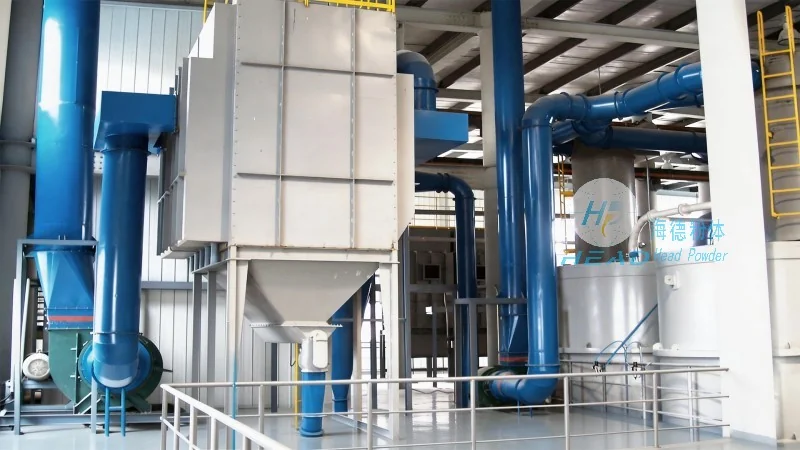
Operation Process of the System
The operation of the soap granule pneumatic conveying system follows a sequential process, starting with material feeding and ending with material discharge. The steps are as follows: 1. Material Loading: Soap granules are loaded into the material feeder from a storage silo or hopper. The feeder then releases the material into the conveying pipeline at a controlled rate. 2. Air Injection: Compressed air is introduced into the pipeline, creating a flow that carries the soap granules forward. The air pressure and flow rate are adjusted to match the material's characteristics and the desired conveying distance. 3. Conveying: The soap granules are transported through the pipeline by the air stream. The system may use different conveying modes, such as dilute phase (where particles are suspended in the air) or dense phase (where particles are more concentrated), depending on the application requirements. 4. Material Discharge: Upon reaching the receiver, the soap granules are collected in the pressure vessel. The air is then separated from the material, either through a cyclone separator or a filter, and is returned to the system or released to the atmosphere. 5. System Shutdown: The control unit shuts down the air supply and feeder when the material is fully transferred, ensuring safe and efficient operation.
Working Principle of the Pneumatic Conveying System
The working principle of the system is based on the interaction between the material and the conveying medium (air or gas). The key principles include: 1. Fluidization: The air flow in the pipeline creates a fluidized state for the soap granules, allowing them to move freely and be carried by the air stream. 2. Pressure Drop: The pressure difference between the inlet and outlet of the pipeline drives the material flow. The system maintains a consistent pressure drop to ensure continuous conveying. 3. Particle Velocity: The velocity of the air stream must be sufficient to overcome the gravitational force and frictional resistance of the soap granules, ensuring they are suspended and transported. 4. Energy Transfer: The compressed air provides the necessary energy to move the material, with the control unit optimizing energy usage to minimize operational costs.
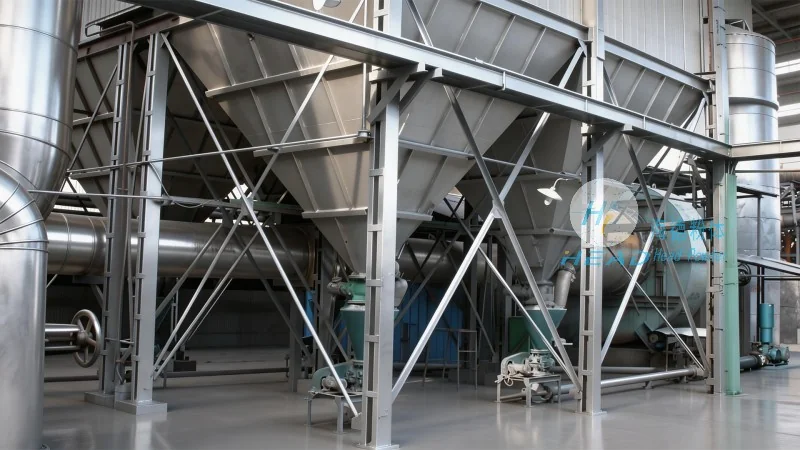
Advantages of the Pneumatic Conveying System
The soap granule pneumatic conveying system offers several advantages over traditional mechanical conveying methods. These include: 1. Hygienic and Dust-Free Operation: The enclosed pipeline prevents dust and contamination, making it suitable for food and pharmaceutical applications. 2. Continuous and Uninterrupted Transport: The system can operate continuously, reducing downtime and increasing productivity. 3. Space Efficiency: The compact design of the system requires less floor space compared to belt or bucket elevators. 4. Low Maintenance: With fewer moving parts, the system has lower maintenance requirements and longer service life. 5. Flexibility: The system can be easily modified to accommodate changes in material type or conveying distance.
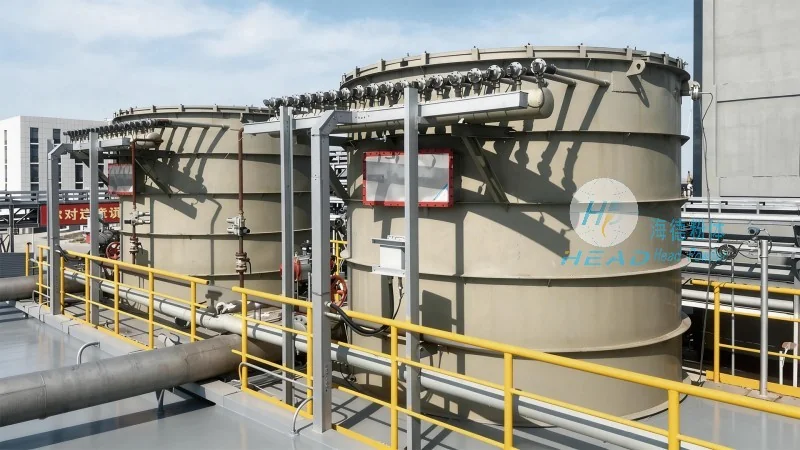
Applications and Industries
The soap granule pneumatic conveying system is widely used in various industries, including: 1. Soap Manufacturing: Transporting raw materials and finished products within the production facility. 2. Chemical Processing: Handling chemical powders and granules in research and production settings. 3. Pharmaceutical Industry: Conveying active ingredients and excipients in a controlled environment. 4. Food Processing: Moving food-grade powders and granules, ensuring compliance with hygiene standards. 5. Environmental Applications: Transporting waste materials or recycled products in waste management facilities.
Conclusion
The pneumatic conveying system developed by Shandong HeadPowder Engineering Co., Ltd. provides an efficient and reliable solution for soap granule material transport. By understanding the operation process and working principle, users can optimize system performance and ensure smooth operation. The system's advantages, such as hygienic operation and continuous transport, make it a preferred choice for industries requiring high-quality material handling. With its robust design and advanced control features, the system offers long-term benefits and cost savings for businesses in the soap and related industries.




