For industries dealing with synthetic fiber materials, efficient material handling is crucial to maintaining production efficiency and product quality. Air-pneumatic conveying equipment offers a reliable solution for transporting these materials from one location to another within a manufacturing facility. This equipment utilizes a combination of air flow and pressure to move bulk materials, eliminating the need for traditional mechanical conveying systems like belts or buckets. The operation process and working principle of such equipment are designed to ensure smooth, low-maintenance, and cost-effective material transport.
Key Components of Air-Pneumatic Conveying Systems
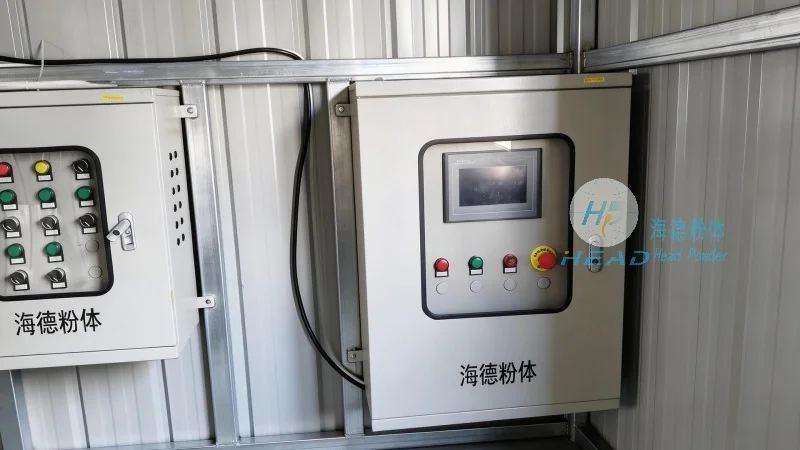
Before delving into the operation process, it's essential to understand the primary components that make up an air-pneumatic conveying system. These components work in tandem to facilitate the movement of synthetic fiber materials. The main components include a material hopper, a conveyor line (often a flexible tube or rigid pipe), a fan or blower to generate airflow, a control valve system to regulate pressure and flow, and a discharge point where the material is deposited. Each component plays a vital role in the overall functionality of the system.
The Operation Process of Air-Pneumatic Conveying Equipment
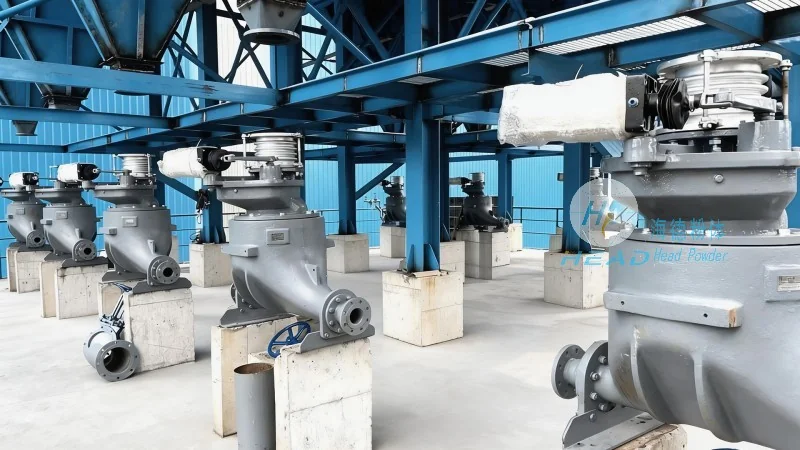
The operation process of air-pneumatic conveying equipment for synthetic fiber materials typically involves several sequential steps. First, the synthetic fiber material is loaded into the material hopper. The hopper is designed to hold a sufficient quantity of material to ensure continuous operation without frequent refilling. Once the material is in the hopper, the system's fan or blower is activated, generating a high-velocity airflow through the conveyor line. The air flow creates a negative pressure (suction) or positive pressure (blowing) within the system, depending on the specific design and application. As the air moves through the conveyor line, it picks up the synthetic fiber particles from the hopper and transports them to the discharge point. The material is then deposited at the designated location, such as a storage silo, processing unit, or packaging area. The system continues to operate until the material hopper is emptied or the desired amount of material has been transported.
Working Principle of Air-Pneumatic Conveying Systems
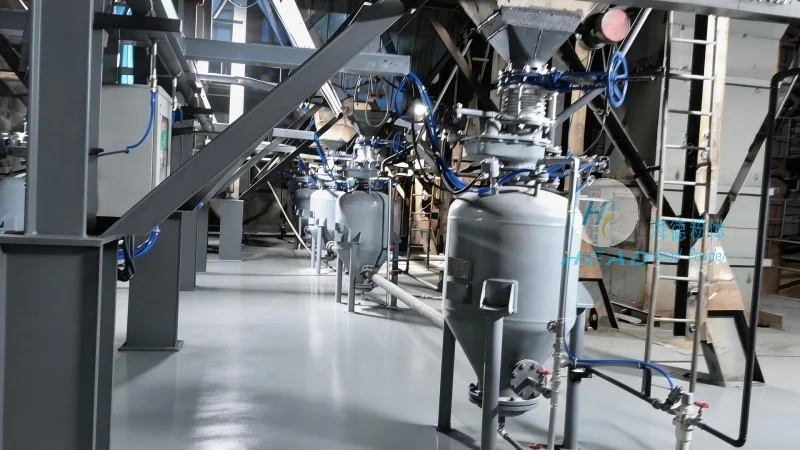
The working principle of air-pneumatic conveying equipment is based on the principles of fluid dynamics and particle transport. In a suction system, the fan creates a low-pressure zone that draws the synthetic fiber particles into the conveyor line. The particles are carried by the air stream, and the air flow maintains the particles in suspension, preventing them from settling or clogging the system. In a positive pressure system, the fan generates high-pressure air that pushes the material through the conveyor line. The pressure differential between the hopper and the discharge point ensures the continuous movement of the material. The design of the conveyor line, including its diameter, length, and bends, is critical to maintaining the air flow velocity and preventing pressure losses that could lead to material deposition or system inefficiency.
Advantages of Air-Pneumatic Conveying for Synthetic Fiber Materials
Using air-pneumatic conveying equipment for synthetic fiber materials offers several advantages over traditional mechanical conveying methods. One of the primary benefits is the ability to handle fine or dusty materials without the risk of clogging or damage. The equipment is also suitable for transporting materials in a closed system, which helps to contain dust and prevent contamination, ensuring product purity. Additionally, air-pneumatic conveying systems are generally low-maintenance, as they have fewer moving parts compared to mechanical systems. This reduces downtime and maintenance costs. The flexibility of the conveyor line allows for easy installation in existing facilities, and the system can be easily scaled to accommodate varying production volumes. The low noise level of air-pneumatic systems also contributes to a safer and more comfortable working environment.
Company Profile: Shandong HeadPowder Engineering Co., Ltd.
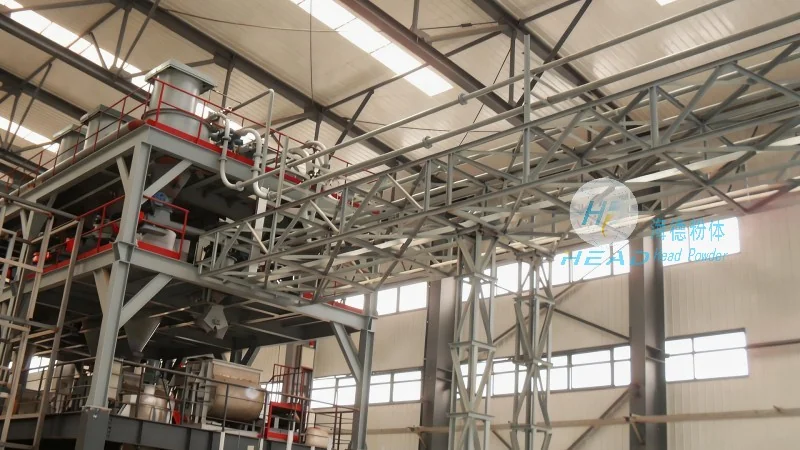
Shandong HeadPowder Engineering Co., Ltd., operating under the brand name headpowder, is a leading manufacturer of air-pneumatic conveying equipment for synthetic fiber materials. With a strong focus on innovation and quality, the company has established itself as a trusted provider of reliable material handling solutions. Headpowder's products are designed to meet the specific needs of the synthetic fiber industry, ensuring efficient and safe material transport. The company's headquarters is located in Shandong, China, where it maintains state-of-the-art manufacturing facilities and a dedicated research and development team. Headpowder's commitment to customer satisfaction and product excellence has earned it a reputation for delivering high-performance air-pneumatic conveying systems that enhance production efficiency and reduce operational costs for its clients.




