Pepper material pneumatic conveying equipment is a specialized system designed to transport pepper and related agricultural products efficiently and safely. This equipment is widely used in the food processing industry, particularly in facilities that handle spices and dried vegetables. The system combines air flow with mechanical components to move bulk materials from one location to another without the need for traditional conveyor belts or manual handling. As a key component in modern spice processing, this equipment enhances productivity while maintaining the quality and integrity of the pepper products.
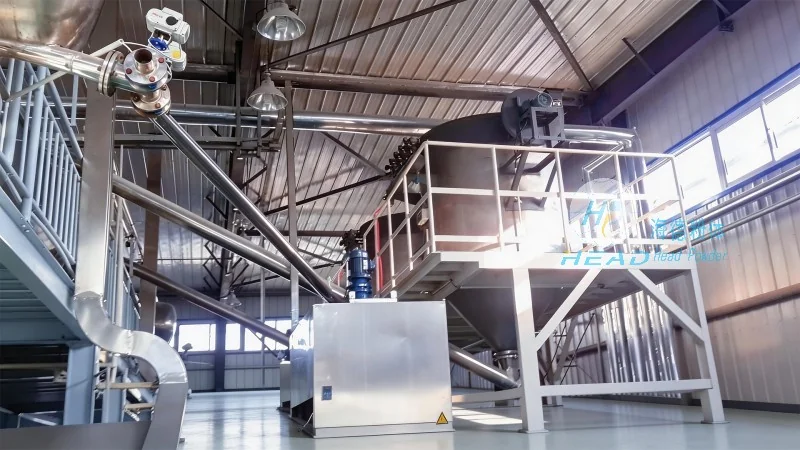
Company Overview: Shandong HeadPowder Engineering Co., Ltd.
HeadPowder, or Shandong HeadPowder Engineering Co., Ltd., is a leading manufacturer of pneumatic conveying systems based in Shandong, China. With years of experience in the engineering and manufacturing sector, the company specializes in developing customized solutions for material handling challenges in various industries. HeadPowder's commitment to quality and innovation has established it as a trusted partner for businesses seeking reliable and efficient conveying equipment. The company's facilities in Shandong are equipped with advanced technology and skilled personnel to ensure the production of high-performance pneumatic conveying systems tailored to specific operational needs.
Key Components of Pepper Material Pneumatic Conveying Systems
The pepper material pneumatic conveying system typically consists of several critical components that work in tandem to achieve effective material transport. These components include a hopper for material storage, a blower or air compressor to generate the necessary air pressure, a pipeline network to guide the material flow, and a receiver or discharge unit to collect the conveyed material. Each component plays a vital role in the overall operation, ensuring that the pepper is moved smoothly and without damage. The hopper is designed to hold the bulk pepper, providing a consistent feed to the system. The blower creates the air flow, which is then directed through the pipeline to carry the pepper particles. The pipeline network is carefully engineered to maintain the air velocity required for efficient transport, preventing material settling or blockages. Finally, the receiver collects the pepper at the destination, completing the conveying process.
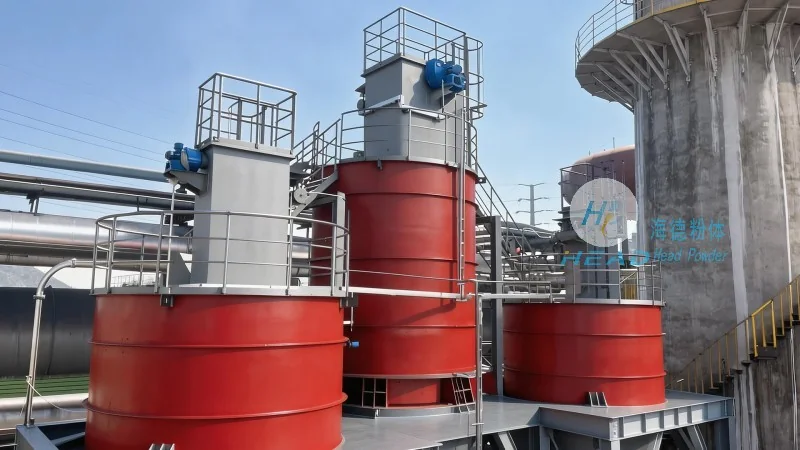
The Operation Process of Pepper Material Pneumatic Conveying
The operation of pepper material pneumatic conveying equipment involves a series of steps that ensure the smooth and continuous movement of the product. The process begins with the loading of pepper into the hopper. Once the hopper is filled, the air compressor is activated, generating a high-pressure air stream. This air is then introduced into the pipeline, creating a flow that pulls the pepper particles into the system. As the air moves through the pipeline, it carries the pepper in a suspended state, preventing friction and damage to the product. The velocity of the air is carefully controlled to maintain the material in suspension without causing excessive wear on the equipment. The pepper travels through the pipeline to the discharge point, where it is collected in the receiver. The system may include additional features such as filters to remove dust or moisture from the air, ensuring that the pepper remains clean and free from contaminants. The entire process is automated, allowing for consistent and reliable operation, which is essential for maintaining product quality and meeting production targets.
Working Principle of Pneumatic Conveying for Pepper Materials
The working principle of pepper material pneumatic conveying is based on the use of air as the primary medium for transporting bulk materials. This method, known as pneumatic conveying, relies on the principle of fluid dynamics to move the product. The system operates by creating a pressure differential between the inlet and outlet of the pipeline. The blower or air compressor generates a high-pressure air stream that enters the pipeline at the hopper end. As the air flows through the pipeline, it picks up the pepper particles and carries them to the discharge point. The air velocity is maintained at a level sufficient to keep the pepper in suspension, preventing it from settling or sticking to the pipeline walls. The pressure differential ensures that the material is continuously moved through the system, even over long distances. The design of the pipeline, including the use of bends and elbows, is optimized to minimize pressure loss and maintain the air velocity required for effective conveying. The receiver at the end of the pipeline collects the pepper, and the air is then filtered and returned to the system, completing the cycle. This closed-loop system ensures energy efficiency and reduces the risk of material spillage or contamination.
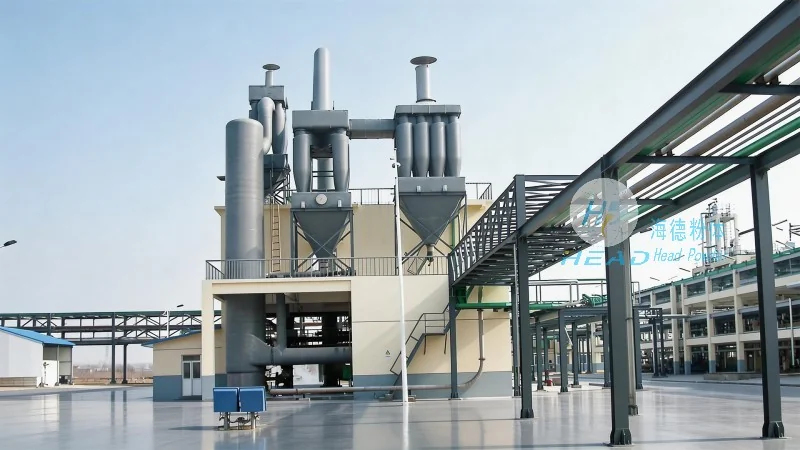
Advantages of Using Pepper Material Pneumatic Conveying Equipment
Implementing pepper material pneumatic conveying equipment offers several advantages over traditional material handling methods. One of the primary benefits is the ability to transport bulk materials over long distances without the need for multiple transfer points or manual handling. This reduces labor costs and minimizes the risk of product damage during handling. The system also provides a hygienic and clean environment for processing, as the material is contained within the pipeline and not exposed to external contaminants. Additionally, pneumatic conveying systems are flexible and can be easily integrated into existing production lines, allowing for customization to meet specific operational requirements. The automated nature of the system enhances productivity and consistency, ensuring that the pepper is processed efficiently and with minimal downtime. Another advantage is the reduced maintenance requirements compared to traditional conveyor systems, as there are fewer moving parts and less wear and tear on the equipment. Overall, the use of pneumatic conveying equipment for pepper materials improves operational efficiency, product quality, and safety in the food processing industry.
Applications and Industries Served by Pepper Material Pneumatic Conveying Systems
Pepper material pneumatic conveying systems are widely used in various industries that require the efficient handling of bulk spices and dried agricultural products. The primary application is in the food processing sector, where pepper is used as a key ingredient in a wide range of products, including sauces, seasonings, and snacks. The equipment is also used in the pharmaceutical and chemical industries for transporting similar dry powders and granules. In addition, the system is employed in the agricultural sector for the transport of harvested pepper from fields to processing facilities. The versatility of the pneumatic conveying system makes it suitable for various applications, from small-scale operations to large industrial plants. The ability to customize the system to specific material characteristics and operational needs allows businesses to optimize their material handling processes and improve overall efficiency. Whether in a small spice processing plant or a large-scale food manufacturing facility, the pepper material pneumatic conveying system provides a reliable and efficient solution for transporting bulk materials.
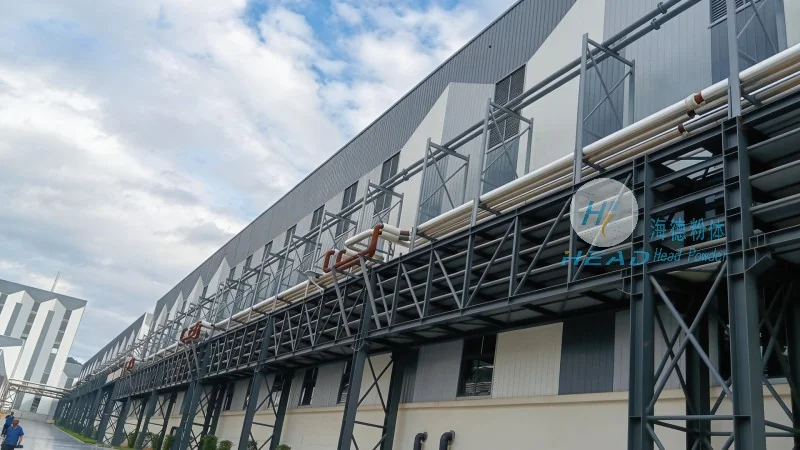
Maintenance and Operational Considerations for Pepper Material Pneumatic Conveying Equipment
Proper maintenance and operational considerations are essential to ensure the long-term performance and reliability of pepper material pneumatic conveying equipment. Regular maintenance is required to keep the system operating at peak efficiency and to prevent potential issues such as blockages or pressure loss. The hopper and pipeline should be inspected regularly for any signs of wear or damage, and the air compressor and blower should be checked for proper functioning. Filters should be cleaned or replaced as needed to maintain air quality and prevent dust accumulation. The system should also be checked for any leaks or pressure drops, which could indicate a problem with the pipeline or components. Operational considerations include ensuring that the air velocity is maintained at the optimal level for the specific pepper material being conveyed. Different types of pepper may require different air velocities to achieve effective transport, so adjustments may be necessary based on the material's characteristics. Additionally, the system should be operated within the recommended pressure and flow rates to avoid excessive wear on the equipment and to prevent material damage. Proper training of operators is also crucial to ensure that the system is used correctly and that any issues are addressed promptly. By following these maintenance and operational guidelines, businesses can maximize the lifespan of their pneumatic conveying equipment and maintain consistent performance.
Conclusion: The Role of Pepper Material Pneumatic Conveying Equipment in Modern Food Processing
In conclusion, pepper material pneumatic conveying equipment plays a vital role in the modern food processing industry, providing an efficient and reliable method for transporting bulk materials. The system's ability to handle pepper and other spices without damage or contamination enhances product quality and meets the demands of contemporary food manufacturing. HeadPowder, with its expertise in engineering and manufacturing, offers customized solutions that cater to the specific needs of businesses in the spice and food processing sectors. By leveraging the principles of pneumatic conveying, these systems improve operational efficiency, reduce labor costs, and maintain product integrity. As the demand for high-quality pepper products continues to grow, the importance of efficient material handling systems like pneumatic conveying will only increase. The use of such equipment not only enhances productivity but also contributes to the overall sustainability and competitiveness of food processing operations. With its commitment to quality and innovation, Shandong HeadPowder Engineering Co., Ltd. remains a key player in providing advanced pneumatic conveying solutions that meet the evolving needs of the industry.




