Chromic oxide, a key industrial material widely used in pigments, ceramics, and other sectors, requires efficient and reliable handling solutions to ensure smooth production workflows. The pneumatic conveying line for chromic oxide materials, as offered by Shandong HeadPowder Engineering Co., Ltd., represents a sophisticated system designed to transport this abrasive and potentially hazardous material with precision and safety. This article delves into the operational process and underlying working principles of such a system, highlighting its technical advantages and practical applications.
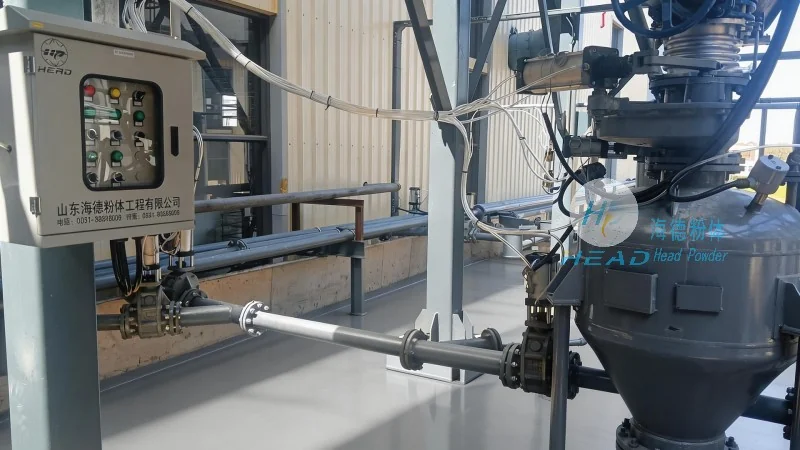
Overview of the Pneumatic Conveying System
The pneumatic conveying line for chromic oxide materials is a closed-loop system that utilizes air or gas as the conveying medium to transport solid particles. Unlike traditional mechanical conveying methods, which may cause material degradation or contamination, this system offers a hygienic and controlled environment for handling chromic oxide. The system typically consists of several key components, including a hopper for material storage, a feeder to control the flow rate, a conveying pipe network, a separator to separate the material from the air, and a collection tank for the final product. Each component plays a crucial role in ensuring the efficient and safe transport of chromic oxide.
Key Components and Their Functions
1. Material Hopper: The hopper is the initial storage unit where chromic oxide is loaded. It is designed with a sloped bottom to facilitate material flow and equipped with a lid to prevent dust contamination. The hopper is often made of corrosion-resistant materials, such as stainless steel, to withstand the chemical properties of chromic oxide.
2. Material Feeder: The feeder is responsible for controlling the discharge rate of chromic oxide from the hopper. It can be a rotary valve, a screw feeder, or a vibrating feeder, depending on the system requirements. The feeder ensures a consistent and adjustable flow rate, which is critical for maintaining the stability of the conveying process.
3. Conveying Pipe Network: The pipe network is the main channel through which chromic oxide is transported. It is typically made of stainless steel or other corrosion-resistant materials to prevent material degradation and ensure durability. The pipe diameter and length are carefully designed to optimize the conveying velocity and pressure, minimizing the risk of material blockage or degradation.
4. Air Compressor and Blower: The air compressor or blower generates the necessary air pressure to move the chromic oxide particles through the pipe network. The pressure level is adjusted based on the material characteristics, pipe length, and system design. The air flow rate is controlled to maintain the optimal conveying velocity, which is essential for preventing material deposition and ensuring smooth transport.
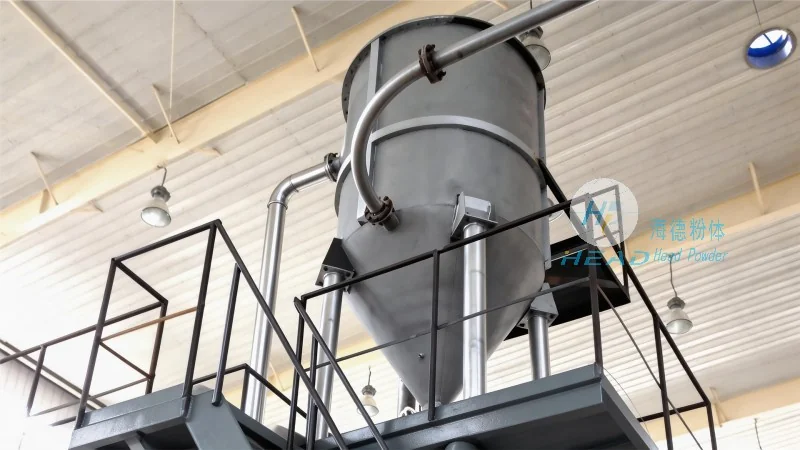
5. Separator and Cyclone: The separator is a critical component that separates the chromic oxide particles from the air stream. It uses centrifugal force to separate the heavier particles from the lighter air. The cyclone separator is commonly used in this system due to its high efficiency and low maintenance requirements. The separated material is collected in a collection tank, while the air is discharged through a filter to remove any residual dust.
6. Collection Tank and Discharge System: The collection tank stores the conveyed chromic oxide material until it is ready for further processing or packaging. The tank is equipped with a discharge valve or pump to transfer the material to the next stage of the production process. The discharge system ensures that the material is handled safely and efficiently, minimizing the risk of spillage or contamination.
Operation Process of the Pneumatic Conveying Line
The operation of the pneumatic conveying line for chromic oxide materials follows a systematic sequence to ensure efficient and safe transport. The process typically begins with the loading of chromic oxide into the material hopper. The feeder then controls the flow rate, and the air compressor generates the required air pressure. The air and material are mixed in the hopper and fed into the conveying pipe network. As the mixture travels through the pipe, the air velocity maintains the material in suspension, preventing blockage. The separator then separates the material from the air, and the material is collected in the tank. The air is filtered and discharged, completing the cycle.
During operation, the system parameters, such as air pressure, flow rate, and material feed rate, are continuously monitored to ensure optimal performance. Any deviations from the set parameters are automatically adjusted by the system to maintain stability. The system also includes safety features, such as pressure relief valves and dust collection systems, to prevent accidents and ensure compliance with safety regulations.
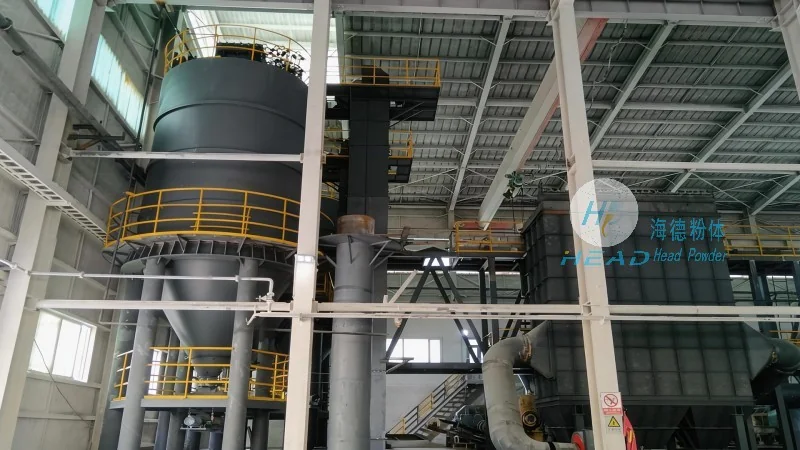
Working Principle of the Pneumatic Conveying System
The working principle of the pneumatic conveying line for chromic oxide materials is based on the principle of fluidization and suspension. The air compressor provides a high-pressure air stream that flows through the conveying pipe. The chromic oxide particles are introduced into the air stream, and the air velocity is adjusted to maintain the particles in a suspended state. The suspended particles are then transported through the pipe network to the separator. The separator uses centrifugal force to separate the particles from the air, and the material is collected in the tank. The air is filtered and discharged, completing the cycle.
The key to the efficiency of this system lies in the balance between the air velocity and the particle size and density. If the air velocity is too low, the particles may settle and cause blockage. If the air velocity is too high, the particles may be damaged or the system may consume excessive energy. The system is designed to optimize this balance, ensuring that the chromic oxide particles are transported efficiently and safely.
Advantages of the Pneumatic Conveying Line for Chromic Oxide Materials
The pneumatic conveying line for chromic oxide materials offers several advantages over traditional mechanical conveying methods. First, it provides a hygienic and controlled environment, which is essential for handling materials that may be contaminated or cause dust exposure. Second, it minimizes material degradation and contamination, ensuring the quality of the final product. Third, it reduces labor costs and improves safety by eliminating the need for manual handling of the material. Fourth, it offers flexibility in system design, allowing for customization to meet specific production requirements. Finally, it provides real-time monitoring and control, enabling operators to optimize the system performance and reduce downtime.
Applications and Industries
The pneumatic conveying line for chromic oxide materials is widely used in various industries, including the pigment industry, ceramics, and chemical manufacturing. In the pigment industry, it is used to transport chromic oxide pigments to production lines, ensuring consistent color and quality. In the ceramics industry, it is used to transport chromic oxide as a raw material for ceramic production, improving the efficiency of the manufacturing process. In the chemical industry, it is used to transport chromic oxide for various chemical processes, such as oxidation and reduction reactions.
Conclusion
The pneumatic conveying line for chromic oxide materials, as designed and manufactured by Shandong HeadPowder Engineering Co., Ltd., is a reliable and efficient solution for handling this important industrial material. The system's advanced design and components ensure that chromic oxide is transported safely, hygienically, and with minimal degradation. By understanding the operation process and working principles of this system, users can optimize its performance and ensure the smooth operation of their production lines. Shandong HeadPowder Engineering Co., Ltd. continues to provide high-quality pneumatic conveying solutions tailored to the specific needs of its clients, contributing to the efficiency and safety of industrial material handling.




