Main Structures of Molybdenum Concentrate Pneumatic Conveying Systems
Release time:2026-09-14 10:49:38
name of the company:Shandong Headpowder Engineering Co., Ltd.
telephone:156-6277-7102
contacts:Zhang manager
Understanding the core structures of molybdenum concentrate pneumatic conveying systems is essential for optimizing material handling efficiency and ensuring reliable operation in industrial applications. As a leading provider in the field, Shandong HeadPowder Engineering Co., Ltd. specializes in designing and implementing advanced pneumatic conveying solutions tailored to the unique characteristics of molybdenum concentrates.
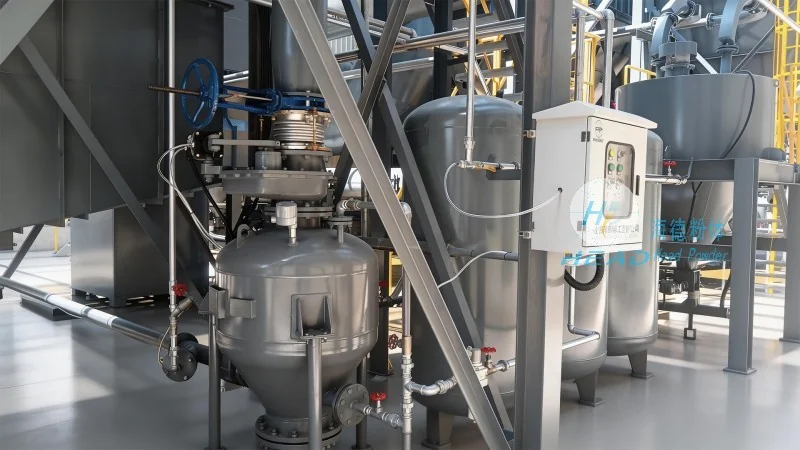
Key Components of Pneumatic Conveying Systems
The primary structure of a molybdenum concentrate pneumatic conveying system typically includes several critical components that work in tandem to achieve efficient material transport. These components are designed to handle the specific properties of molybdenum concentrates, such as their density, particle size distribution, and moisture content. The main structural elements include the material feeding system, the conveying pipeline, the air supply system, and the separation and collection equipment.
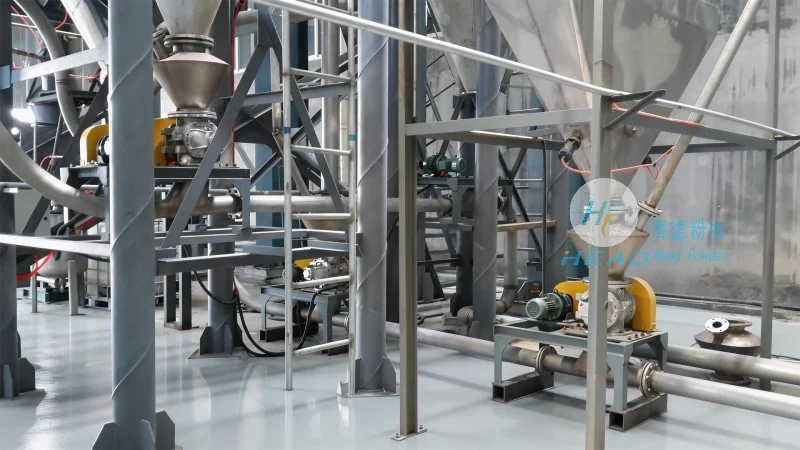
Material Feeding System
The material feeding system is the initial stage of the pneumatic conveying process, responsible for introducing molybdenum concentrate into the system. This component must be capable of handling the material's characteristics to prevent blockages or uneven flow. Common feeding methods include rotary valves, screw feeders, and pressure vessels. The choice of feeding equipment depends on factors like the material's flowability, bulk density, and the required feeding rate. For molybdenum concentrates, which may have varying particle sizes and moisture levels, a well-designed feeding system ensures consistent and reliable material introduction, minimizing the risk of system downtime.
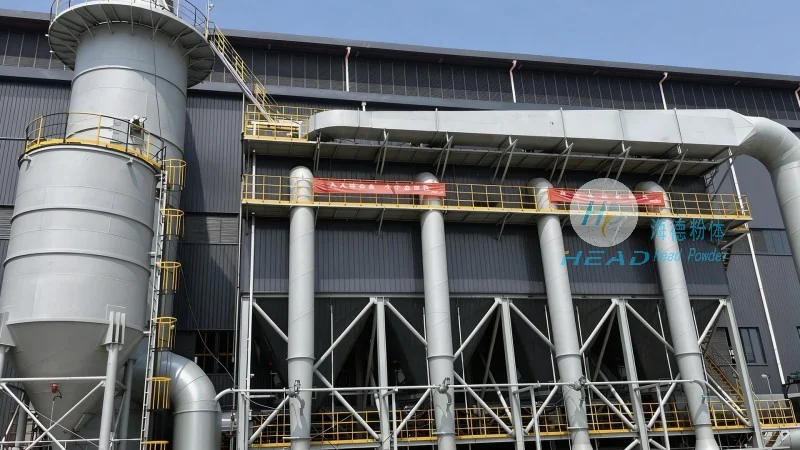
Conveying Pipeline and Air Supply
The conveying pipeline serves as the main pathway for transporting molybdenum concentrate through the system. The design of the pipeline, including its diameter, material, and layout, is critical for maintaining efficient flow and minimizing pressure losses. The air supply system provides the necessary pressure and volume of air to move the material through the pipeline. This system typically includes a blower or compressor, air filters, and pressure regulators to ensure consistent air quality and pressure. The interaction between the material and air within the pipeline is governed by the principles of fluid dynamics, where the air velocity and pressure must be sufficient to entrain the material particles and maintain stable transport. For molybdenum concentrates, which may have high bulk density, the pipeline design often requires larger diameters and higher air velocities to prevent material settling or blockages.




