For industrial applications involving the handling of sodium hexafluorophosphate, an efficient and reliable material conveying system is crucial. The pneumatic conveying line designed by Shandong HeadPowder Engineering Co., Ltd. (referred to as HeadPowder) offers a sophisticated solution that ensures safe and effective transport of this chemical material. This article delves into the operation process and working principle of such a system, highlighting key components, operational steps, and the technological advantages that make it suitable for industrial environments.
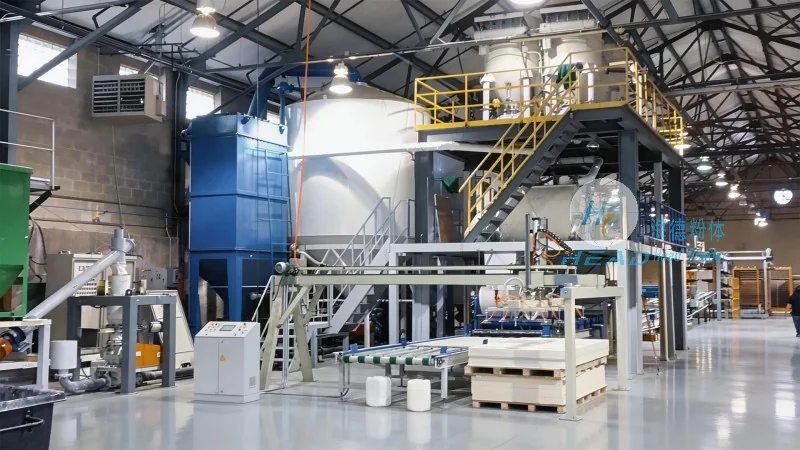
Overview of the Pneumatic Conveying System
The pneumatic conveying line for sodium hexafluorophosphate is engineered to handle the material from its source to the destination point, such as a storage silo or processing unit. The system integrates several key components, including a hopper, feeder, air compressor, conveying pipe, and a receiver. Each component plays a vital role in the overall operation, ensuring that the material is transported without degradation or loss. HeadPowder specializes in designing and manufacturing these systems to meet the specific requirements of clients, particularly in the chemical and pharmaceutical industries where precision and safety are paramount.
Key Components and Their Functions
1. Hopper: The hopper is the initial storage and feeding unit where the sodium hexafluorophosphate is stored before being conveyed. It is designed with a sloped bottom to facilitate the material flow into the feeder. The hopper is typically made of corrosion-resistant materials to withstand the chemical properties of the material and ensure long-term durability.
2. Feeder: The feeder is responsible for controlling the flow rate of the material from the hopper into the conveying pipe. It can be a rotary valve or a screw feeder, depending on the system design. The feeder ensures a consistent and controlled discharge of the material, preventing overloading or underloading of the conveying line, which could affect the system's efficiency and performance.
3. Air Compressor: The air compressor generates the necessary air pressure to move the material through the conveying pipe. It is a critical component that determines the conveying velocity and the overall system capacity. The compressor is selected based on the material's characteristics, such as particle size, density, and moisture content, to ensure optimal performance.
4. Conveying Pipe: The conveying pipe is the main channel through which the material and air mixture travels. It is usually made of stainless steel or other corrosion-resistant materials to handle the chemical properties of sodium hexafluorophosphate. The pipe is designed with smooth inner surfaces to minimize friction and ensure efficient material transport. The pipe may include bends and elbows, which are carefully designed to maintain the material's flow without causing blockages or degradation.
5. Receiver: The receiver is the final destination where the conveyed material is deposited. It is typically a storage silo or a processing unit. The receiver is equipped with a discharge valve to control the material flow out of the system. The design of the receiver ensures that the material is collected without spillage or contamination, maintaining the integrity of the product.
Operation Process of the Pneumatic Conveying Line
The operation of the sodium hexafluorophosphate pneumatic conveying line follows a systematic process that ensures efficient material transport. The steps involved are as follows:
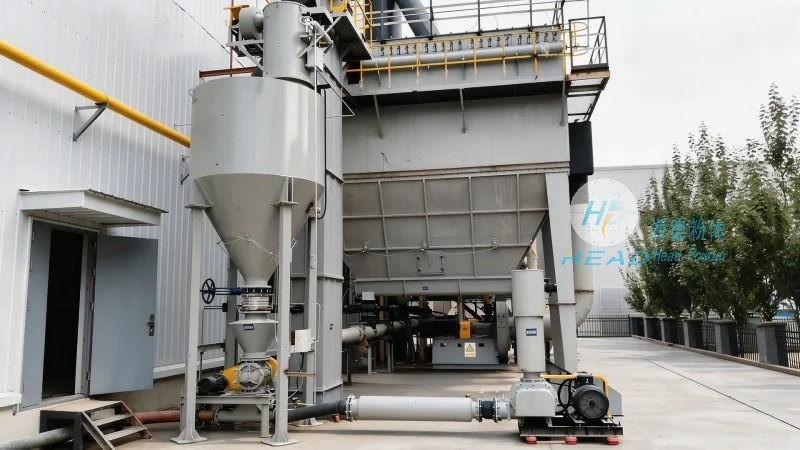
1. Material Loading: The sodium hexafluorophosphate is loaded into the hopper from a bulk container or a processing unit. The hopper is filled to a level that allows for smooth material flow into the feeder.
2. Feeder Activation: The feeder is activated to start the material flow from the hopper into the conveying pipe. The feeder controls the flow rate, ensuring a consistent supply of material to the system.
3. Air Compression and Injection: The air compressor generates high-pressure air, which is then injected into the conveying pipe at the hopper end. The air creates a low-pressure zone in the pipe, drawing the material into the air stream.
4. Material Conveying: The material and air mixture travels through the conveying pipe, moving from the hopper to the receiver. The velocity of the air ensures that the material is carried along the pipe without settling or causing blockages.
5. Material Deposition: Upon reaching the receiver, the material is deposited into the storage silo or processing unit. The air continues to flow through the receiver and is then discharged, typically through a filter to remove any dust or particles.
6. System Shutdown: After the material has been fully conveyed, the system is shut down by stopping the air compressor and the feeder. The hopper and receiver are then emptied as needed.
Working Principle of the Pneumatic Conveying System
The working principle of the pneumatic conveying line for sodium hexafluorophosphate is based on the principle of fluidization and the momentum of the air stream. The system operates by creating a high-velocity air flow that entrains the material particles, transporting them through the conveying pipe. The key principles involved are:
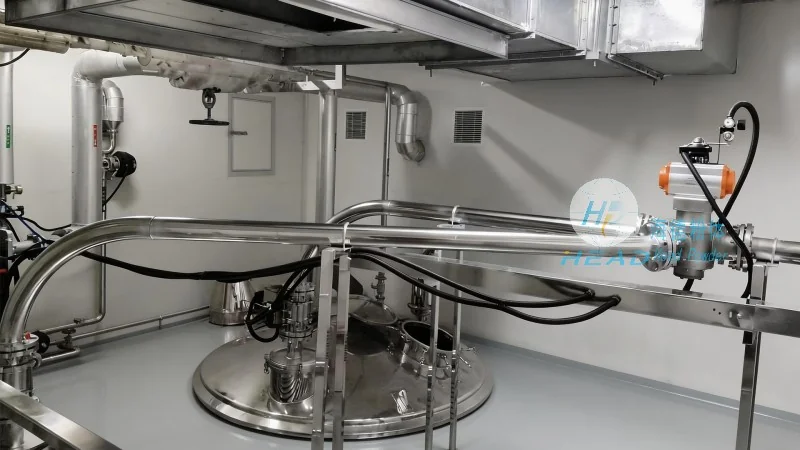
1. Fluidization: The air flow in the conveying pipe creates a fluidized state for the material particles, allowing them to move freely and be carried by the air stream. This fluidization is achieved by maintaining a sufficient air velocity to overcome the gravitational forces acting on the particles.
2. Pressure Drop: The system relies on a pressure drop between the hopper and the receiver to drive the material flow. The air compressor maintains the pressure difference, ensuring that the material is continuously drawn from the hopper to the receiver.
3. Velocity Control: The air velocity is carefully controlled to ensure that the material particles are carried without settling or causing blockages. The velocity must be high enough to overcome the frictional forces in the pipe and the gravitational forces acting on the particles.
4. Material Separation: At the receiver, the material is separated from the air stream. The air is then filtered to remove any dust or particles before being discharged, ensuring that the material remains clean and free from contamination.
Advantages of the Pneumatic Conveying Line
The pneumatic conveying line designed by HeadPowder offers several advantages over traditional conveying methods, such as belt conveyors or bucket elevators. These advantages include:
1. Non-Contact Conveying: The material is conveyed without direct contact with the conveying equipment, reducing the risk of contamination and degradation. This is particularly important for sodium hexafluorophosphate, which is a chemical material that requires strict purity standards.
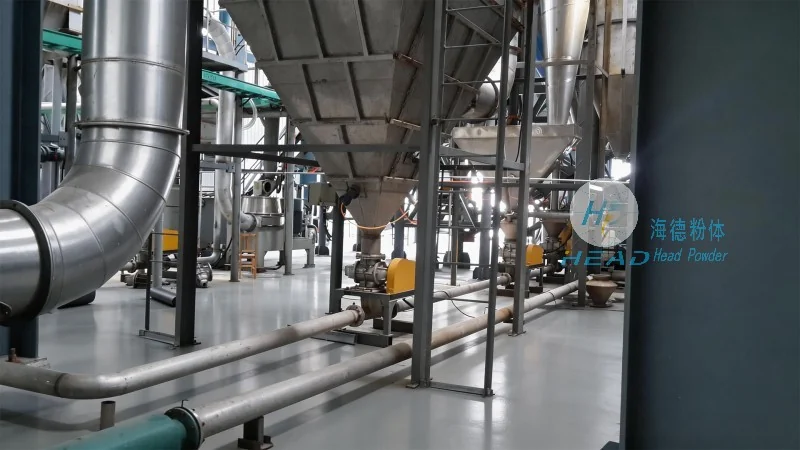
2. Compact Design: The system is designed to be compact and space-saving, making it suitable for installations with limited space. The components are arranged in a modular fashion, allowing for easy installation and maintenance.
3. Low Maintenance: The system has fewer moving parts compared to traditional conveyors, resulting in lower maintenance costs and longer service life. The use of corrosion-resistant materials also reduces the need for frequent repairs.
4. Flexibility: The system can be easily adjusted to handle different material types and flow rates. The air compressor and feeder can be modified to accommodate changes in production requirements, ensuring that the system remains efficient and cost-effective.
5. Energy Efficiency: The system is designed to be energy-efficient, with the air compressor operating at optimal pressure levels. This reduces energy consumption and operating costs, making it a cost-effective solution for industrial applications.
Application and Industry Use
The pneumatic conveying line for sodium hexafluorophosphate is widely used in various industrial applications, particularly in the chemical and pharmaceutical industries. It is suitable for transporting materials that are sensitive to moisture, temperature, or contamination. The system is also used in applications where traditional conveyors may not be suitable due to the material's properties or the space constraints.
HeadPowder has successfully implemented these systems in numerous industrial plants, providing reliable and efficient material handling solutions. The company's expertise in designing and manufacturing pneumatic conveying systems has helped clients improve their production efficiency, reduce costs, and enhance product quality.
Conclusion
The pneumatic conveying line for sodium hexafluorophosphate is a sophisticated and reliable system that offers efficient and safe material transport. The operation process and working principle are designed to ensure optimal performance, with key components working in harmony to achieve the desired results. HeadPowder, with its expertise in engineering and manufacturing, provides high-quality systems that meet the specific needs of clients, ensuring that the material is handled with precision and care. The system's advantages, such as non-contact conveying, compact design, and energy efficiency, make it an ideal solution for industrial applications.




