For industrial applications that require the efficient and safe transport of fine coal powder, specialized conveying systems are essential. This article explores the concept of a fine coal powder material conveying line, detailing its design principles and the key factors that contribute to its effective operation. The information presented here is provided by Shandong HeadPowder Engineering Co., Ltd., a leading manufacturer based in China.
Understanding Fine Coal Powder Material Conveying Lines
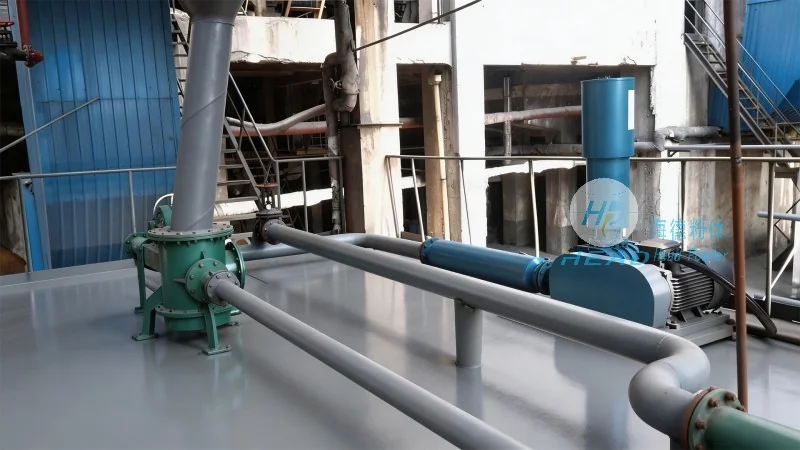
A fine coal powder material conveying line is a mechanical system designed to transport fine coal powder from a source, such as a storage silo or a processing unit, to a destination, like a combustion chamber or a processing plant. These systems are critical in industries like power generation, cement production, and chemical manufacturing, where the consistent and reliable movement of fine coal powder is vital for operational efficiency and safety.
Key Design Principles of Fine Coal Powder Conveying Systems
The design of a fine coal powder material conveying line is guided by several fundamental principles to ensure optimal performance. These principles include:
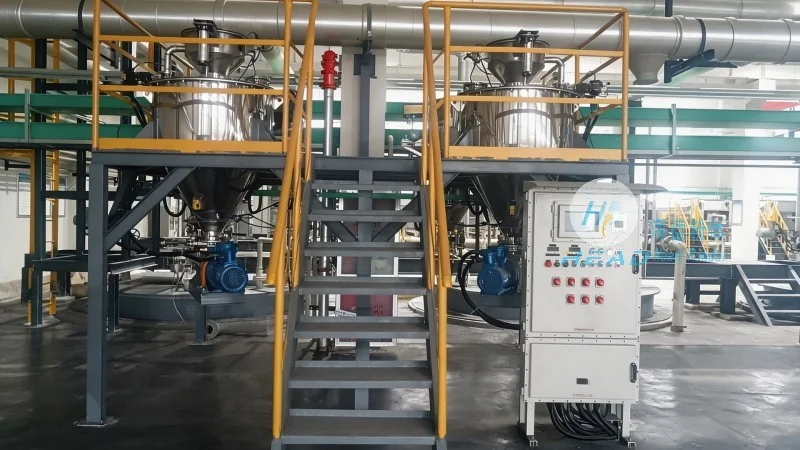
- Material Handling Characteristics: Fine coal powder is a highly cohesive and aeratable material. The conveying system must account for its tendency to stick to surfaces and its susceptibility to dust generation. Design considerations include the use of materials that resist corrosion and wear, as well as the incorporation of features that minimize particle agglomeration.
- Pressure and Flow Control: Maintaining consistent pressure and flow rates is crucial for preventing blockages and ensuring smooth material transport. The system typically includes components like rotary valves, airlocks, and pressure vessels that regulate the movement of the powder. Proper sizing of these components is essential to match the material's flow properties and the required throughput.
- Energy Efficiency: Efficient energy use is a key design goal. The conveying line should minimize energy consumption while maintaining the required material throughput. This is achieved through the selection of appropriate drive systems, such as variable frequency drives, and the optimization of the conveying path to reduce resistance and friction.
- Safety and Environmental Considerations: Fine coal powder handling involves safety and environmental concerns. The design incorporates measures to prevent dust explosions, such as explosion-proof components and dust collection systems. Additionally, the system is engineered to minimize emissions and ensure compliance with environmental regulations.
Components of a Typical Fine Coal Powder Conveying Line
A standard fine coal powder material conveying line consists of several interconnected components that work together to achieve the desired transport. These components typically include:
- Feeding Equipment: This component, such as a rotary feeder or a screw feeder, regulates the flow of fine coal powder from the source. It ensures a consistent feed rate, which is critical for maintaining stable pressure and flow in the conveying line.
- Conveying Equipment: The core of the system, this may include pneumatic conveying lines (using air as the conveying medium) or mechanical conveying systems (such as belt conveyors or screw conveyors). Pneumatic systems are often preferred for fine powders due to their ability to handle high volumes and minimize material degradation.
- Control and Monitoring Systems: These systems monitor key parameters such as pressure, flow rate, and temperature, and adjust the operation of the conveying line as needed. This ensures that the system operates within safe and efficient parameters, preventing issues like overloading or underflow.
- Storage and Discharge Equipment: The receiving end of the line includes equipment like silos or hoppers that store the transported fine coal powder. These components are designed to handle the material's characteristics and ensure safe and controlled discharge.
Applications and Benefits of Fine Coal Powder Conveying Lines
Fine coal powder material conveying lines are widely used in various industrial applications. In power plants, they are used to transport coal to boilers for combustion, ensuring a steady supply of fuel. In cement plants, they help deliver coal to kilns, supporting the production process. The benefits of these systems include improved operational efficiency, reduced downtime due to blockages, and enhanced safety through proper design and control.
About Shandong HeadPowder Engineering Co., Ltd.
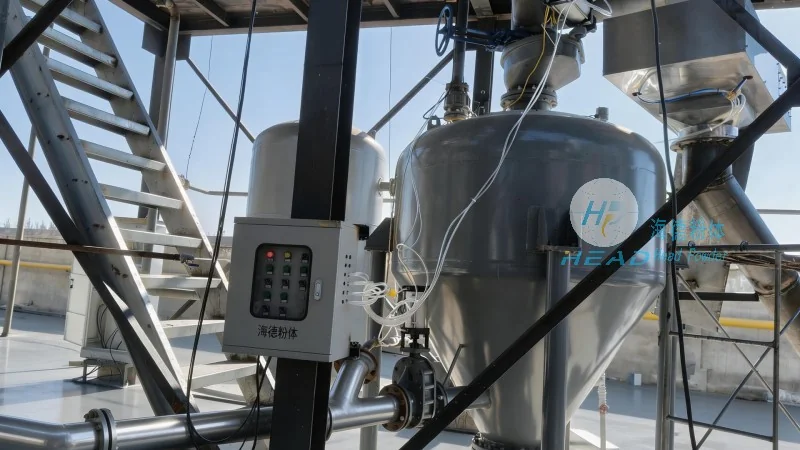
Shandong HeadPowder Engineering Co., Ltd. is a professional manufacturer specializing in the design, development, and production of fine coal powder material conveying lines and related equipment. With a focus on innovation and quality, the company provides customized solutions tailored to the specific needs of its clients. HeadPowder's products are engineered to meet the highest standards of performance, safety, and reliability, ensuring long-term operational success for industrial applications.
The company is based in Shandong, China, and serves clients globally with its advanced technology and expertise in material handling systems. By adhering to strict quality control measures and staying at the forefront of industry developments, HeadPowder continues to be a trusted partner for businesses in the power, cement, and chemical industries.




