For industrial operations dealing with ferrous oxide, selecting the right material handling equipment is crucial for efficiency and safety. This article explores the concept of ferrous oxide material handling equipment, detailing its applications and the underlying design principles that ensure optimal performance.
Introduction to Ferrous Oxide Material Handling Equipment
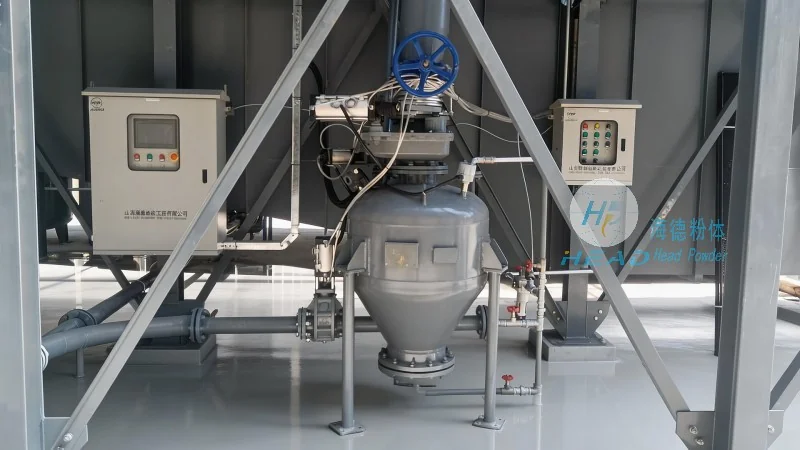
Ferrous oxide, commonly known as iron oxide, is a key component in various industrial processes, including manufacturing, construction, and chemical production. The handling of this material requires specialized equipment designed to manage its physical properties, such as bulk density, flowability, and potential reactivity. Ferrous oxide material handling equipment is engineered to transport, store, and process ferrous oxide efficiently while minimizing risks like dust exposure, material degradation, and operational inefficiencies.
Key Components and Design Considerations
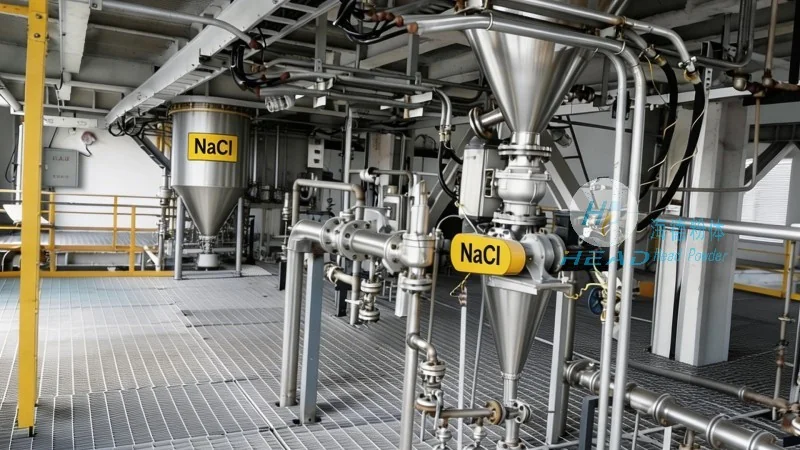
The design of ferrous oxide material handling equipment involves several critical components tailored to the material's characteristics. These include hoppers, conveyors, feeders, and storage silos, each designed to address specific challenges. For instance, hoppers are often equipped with sloped sides to prevent material bridging and ensure smooth discharge. Conveyors may use belt or screw designs, selected based on the material's flowability and the required throughput. Feeder systems, such as vibratory or rotary feeders, are used to regulate the flow rate, preventing overloading or underloading of downstream equipment. Storage silos are typically constructed from corrosion-resistant materials to accommodate the potential moisture absorption of ferrous oxide and to maintain material quality.
Design Principles for Optimal Performance
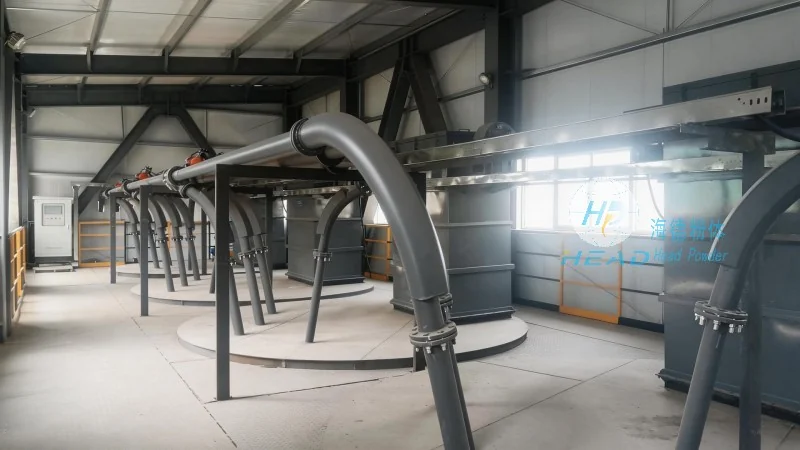
The design principles for ferrous oxide material handling equipment prioritize several factors to ensure reliability and efficiency. First, material compatibility is paramount. Equipment components must be resistant to corrosion and wear caused by ferrous oxide, which can be abrasive and reactive under certain conditions. Stainless steel, high-density polyethylene, or specialized alloys are often used for parts that come into direct contact with the material. Second, dust control is a critical design consideration. Ferrous oxide can generate fine dust, which poses health risks and can affect equipment performance. Equipment may incorporate dust collection systems, sealed hoppers, and enclosed conveyors to minimize dust dispersion. Third, energy efficiency is a key design goal. The selection of conveyor types, motor sizes, and control systems is optimized to reduce energy consumption while maintaining the required throughput. Additionally, the design must account for space constraints and operational flexibility, allowing for easy maintenance and adjustments to accommodate varying production demands.
Applications and Operational Benefits
Ferrous oxide material handling equipment is widely used in industries where ferrous oxide is a primary raw material or intermediate product. In the steel industry, for example, ferrous oxide is used in the production of iron and steel, and the equipment ensures a steady supply of material to furnaces and processing units. In the construction sector, ferrous oxide is used as a pigment in paints and coatings, and the equipment facilitates the transport of bulk material to mixing and production facilities. The operational benefits of using specialized equipment include improved material flow, reduced downtime due to blockages or equipment failure, and enhanced safety through dust control and proper handling. These benefits translate into cost savings and increased productivity for industrial operations.
About Shandong HeadPowder Engineering Co., Ltd.
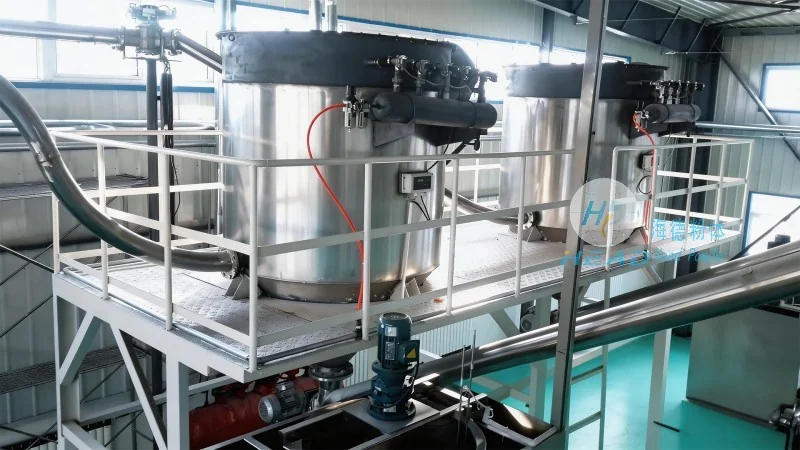
HeadPowder, a leading manufacturer based in Shandong, China, specializes in the design and production of high-quality material handling equipment for various industrial applications. With years of experience in the field, the company has developed a comprehensive range of solutions tailored to the unique needs of ferrous oxide handling. HeadPowder's commitment to innovation and quality ensures that their equipment meets the highest standards of performance, durability, and safety. The company's facilities are equipped with advanced technology and skilled personnel, enabling them to provide customized solutions that enhance operational efficiency and reduce costs for their clients. HeadPowder's expertise in material handling technology makes them a trusted partner for industries relying on ferrous oxide in their production processes.




