HeadPowder, a leading engineering firm based in Shandong, China, specializes in the design, manufacturing, and installation of low-pressure pneumatic conveying systems. This article provides an overview of the system's structure and operational principles, highlighting its key components and how they work together to ensure efficient material handling.
Overview of Low-Pressure Pneumatic Conveying Systems
Low-pressure pneumatic conveying systems are widely used in various industries for transporting bulk materials such as powders, granules, and fine particles. Unlike high-pressure systems, these systems operate at lower air pressures, typically ranging from 0.5 to 2 bar, making them suitable for a broad range of applications where gentle material handling is required. The primary goal of these systems is to move materials from a source to a destination using air as the conveying medium, minimizing product degradation and ensuring consistent flow rates.
Key Components of the Low-Pressure Pneumatic Conveying System
The low-pressure pneumatic conveying system consists of several critical components that work in tandem to achieve effective material transport. These components include:
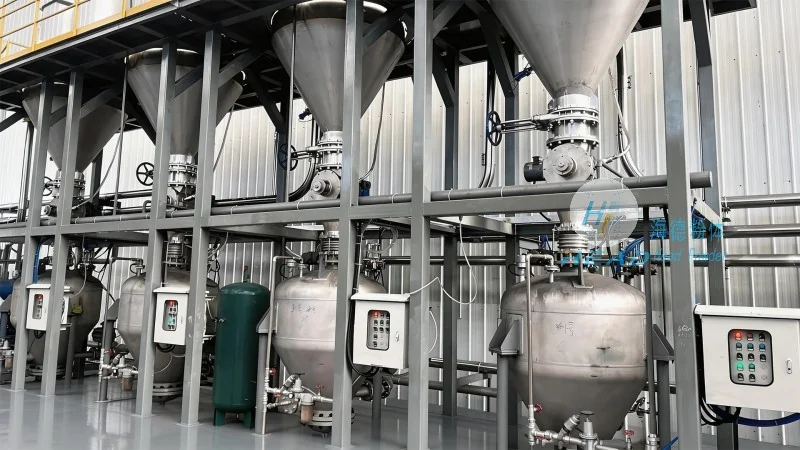
- Material Hopper: A container that holds the bulk material to be conveyed. It is designed to feed the material into the system at a controlled rate, preventing overfilling and ensuring a steady supply.
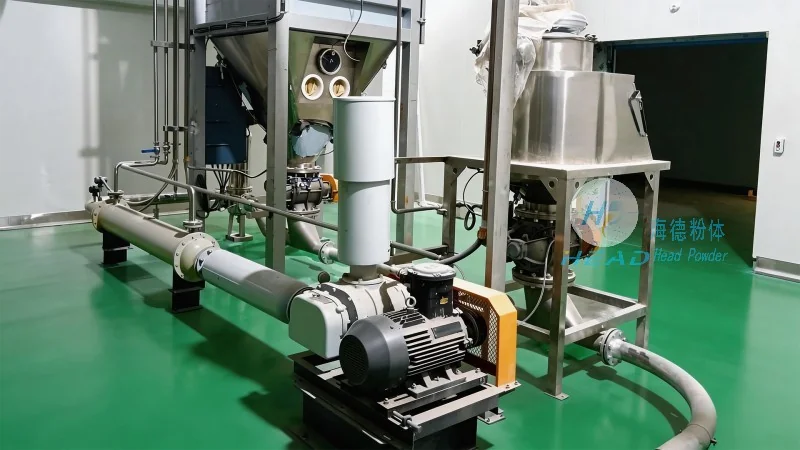
- Air Inlet and Blower: The blower provides the necessary air pressure to create a flow of air through the system. It is typically a positive displacement blower that operates at low pressure, ensuring energy efficiency and minimal noise.
- Conveying Pipe: The main pipeline through which the air and material travel. The pipe is usually made of durable materials like stainless steel or plastic, chosen based on the material being conveyed and the operating conditions.
- Material Separation Unit: This component, often a cyclone separator or a bag filter, separates the conveyed material from the air stream. The separated material is then collected in a discharge hopper, while the clean air is either recirculated or vented to the atmosphere.
- Control Valves and Sensors: These elements regulate the flow of air and material, ensuring optimal performance. Sensors monitor parameters such as pressure, flow rate, and material level, allowing for real-time adjustments and system maintenance.
Working Principle of the Low-Pressure Pneumatic Conveying System
The operation of a low-pressure pneumatic conveying system involves several steps. First, the material is fed from the hopper into the conveying pipe. Simultaneously, the blower generates a low-pressure air flow that enters the pipe. As the air moves through the pipe, it entrains the material particles, creating a slurry-like mixture. This mixture travels through the pipe to the material separation unit, where the air and material are separated. The separated material is collected in the discharge hopper, and the clean air is either returned to the system or released. The control valves and sensors continuously monitor the system to maintain consistent flow rates and prevent blockages or other issues.
Advantages of Low-Pressure Pneumatic Conveying Systems
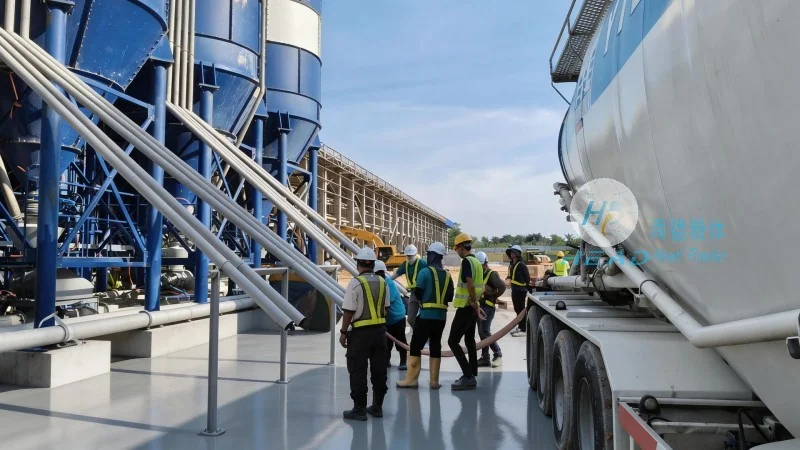
Low-pressure pneumatic conveying systems offer several advantages over other material handling methods. These include:
- Gentle Material Handling: The low air pressure minimizes the risk of material degradation, making it suitable for delicate products like pharmaceuticals, food, and chemicals.
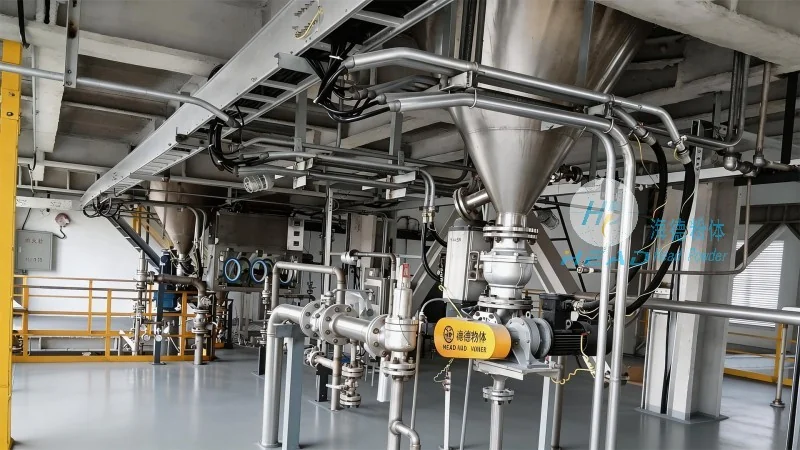
- Space Efficiency: The system can be designed with flexible pipe layouts, allowing for installation in confined spaces and around existing equipment.
- Energy Efficiency: Compared to high-pressure systems, low-pressure systems require less energy, resulting in lower operational costs.
- Reduced Maintenance: The simpler design and lower pressure reduce the likelihood of wear and tear, leading to lower maintenance requirements and longer system lifespan.
- Versatility: These systems can handle a wide range of materials, including powders, granules, and fine particles, making them suitable for various industrial applications.
Applications of Low-Pressure Pneumatic Conveying Systems
Low-pressure pneumatic conveying systems are used in a variety of industries, including:
- Pharmaceuticals: For transporting active pharmaceutical ingredients (APIs) and other sensitive materials.
- Food and Beverage: For handling powders like flour, sugar, and spices, as well as granules like coffee beans and nuts.
- Chemicals: For conveying chemicals, including powders and granules used in manufacturing processes.
- Minerals and Mining: For transporting bulk materials like coal, ore, and sand.
- Plastics and Rubber: For handling plastic pellets and rubber granules in processing plants.
About HeadPowder Engineering Co., Ltd.
HeadPowder Engineering Co., Ltd., headquartered in Shandong, China, is a reputable company specializing in the engineering and manufacturing of low-pressure pneumatic conveying systems. With years of experience in the industry, HeadPowder has developed a strong reputation for delivering high-quality, reliable systems that meet the diverse needs of its clients. The company's team of experts works closely with customers to design customized solutions that optimize material handling processes, reduce costs, and improve overall efficiency. HeadPowder's commitment to quality and customer satisfaction has made it a trusted partner for businesses across various industries.




