HeadPowder, a leading manufacturer based in Shandong, China, specializes in the design, development, and production of advanced dust-free closed-circuit pneumatic conveying systems. These systems represent a sophisticated solution for the efficient and safe handling of bulk materials, particularly in industries where dust control and material integrity are critical. This article provides an overview of the key components, operational principles, and structural design of such systems, highlighting their benefits and applications.
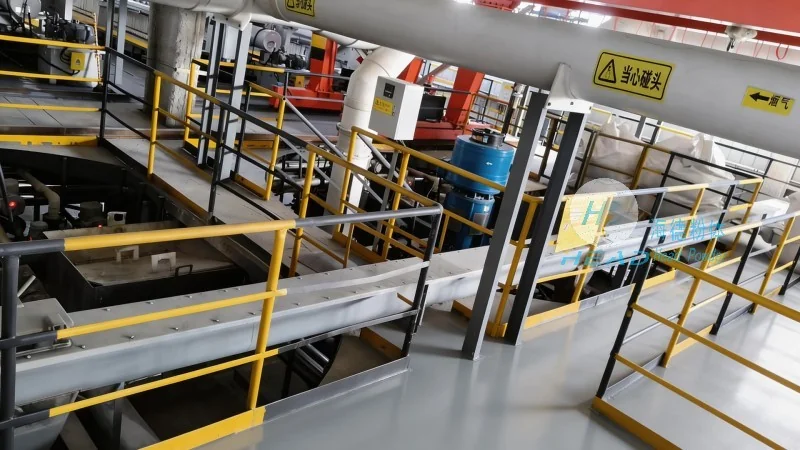
Overview of Dust-Free Closed-Circuit Pneumatic Conveying Systems
Dust-free closed-circuit pneumatic conveying systems are engineered to transport bulk materials from one location to another while maintaining a sealed environment. Unlike open systems that expose materials to the air, closed-circuit systems recirculate the conveying medium (typically air or a mixture of air and inert gases) to minimize dust emissions and ensure environmental compliance. The primary goal is to deliver materials with minimal degradation, low contamination risk, and high operational efficiency. These systems are widely used in pharmaceuticals, food processing, chemical manufacturing, and other industries where product purity and worker safety are paramount.
Core Components and Structural Design
The structure of a dust-free closed-circuit pneumatic conveying system consists of several interrelated components that work in unison to achieve the desired material transport. The main components include a material feed hopper, a conveying line (often equipped with pressure vessels or ducts), a control system, and a dust collection unit. The feed hopper is designed to store and meter the bulk material, ensuring a consistent flow into the system. The conveying line, typically made of stainless steel or other corrosion-resistant materials, is sealed to prevent air leakage and maintain the closed-circuit environment. Pressure vessels or surge tanks may be integrated to regulate pressure and accommodate material surges, enhancing system stability. The control system monitors and adjusts parameters such as air pressure, flow rate, and material feed rate, optimizing performance and preventing system overload. The dust collection unit, often a filter or cyclone, captures any particulate matter that may escape the conveying line, ensuring compliance with environmental regulations and maintaining a clean working environment.
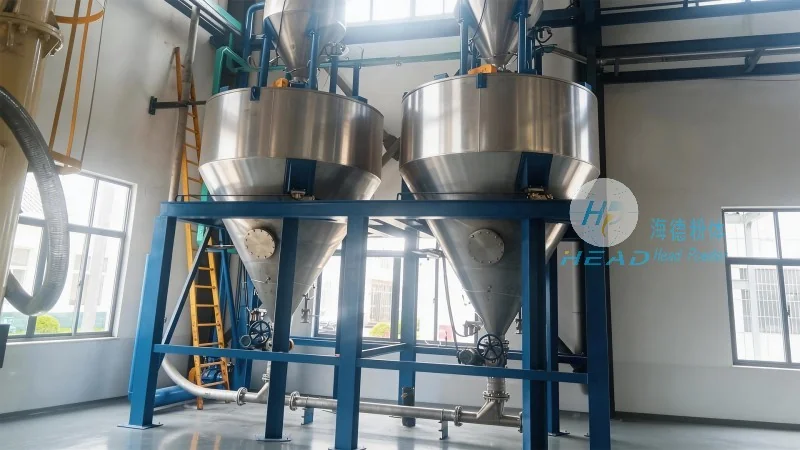
Working Principles and Operational Mechanisms
The operational principle of a dust-free closed-circuit pneumatic conveying system is based on the use of compressed air to move material through a sealed pipeline. The process begins with the material being introduced into the feed hopper, where it is metered and fed into the conveying line. Compressed air, supplied by a blower or compressor, is introduced into the system, creating a pressure differential that propels the material forward. The air and material mixture travels through the conveying line, with the air acting as the transport medium. The system is designed to maintain a consistent pressure and flow rate, ensuring smooth material transport without excessive pressure drops or material degradation. The closed-circuit design recirculates the air, reducing energy consumption and minimizing dust emissions. The material is discharged at the receiving end, and the air is filtered and returned to the system, completing the cycle. This continuous operation allows for efficient, dust-free material handling, with minimal environmental impact and high material recovery rates.
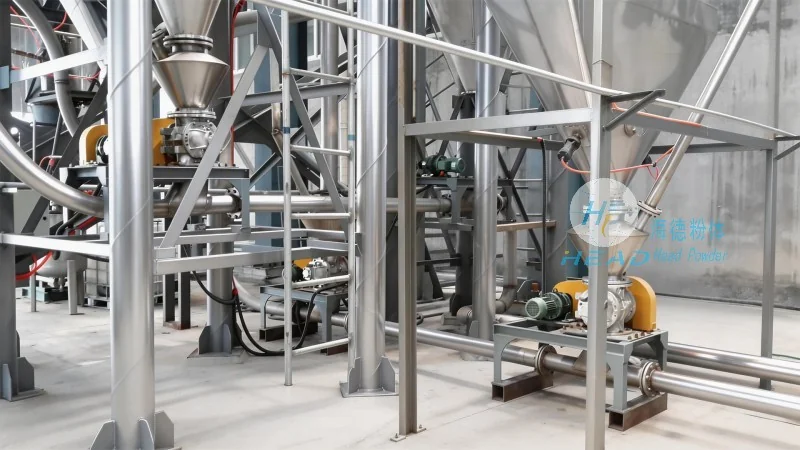
Advantages and Applications
Dust-free closed-circuit pneumatic conveying systems offer several advantages over traditional open systems, making them a preferred choice in many industries. The primary benefits include: 1) Enhanced safety by eliminating dust exposure, reducing the risk of respiratory issues and fire hazards; 2) Improved material quality by preventing contamination and degradation during transport; 3) Environmental compliance through reduced dust emissions and efficient air recirculation; 4) Energy efficiency due to the closed-circuit design, which minimizes air loss and optimizes system performance; 5) Flexibility in material handling, as these systems can transport a wide range of bulk materials, including powders, granules, and fine particles. These systems are commonly used in the pharmaceutical industry for transporting active pharmaceutical ingredients (APIs) and excipients, in food processing for handling grains, powders, and spices, in chemical manufacturing for moving raw materials and intermediates, and in other sectors where dust control and material purity are critical.
Conclusion
HeadPowder's dust-free closed-circuit pneumatic conveying systems represent a cutting-edge solution for bulk material handling, combining advanced engineering with robust design to meet the demands of modern industries. By integrating key components such as feed hoppers, sealed conveying lines, control systems, and dust collection units, these systems ensure efficient, safe, and environmentally friendly material transport. The working principles, based on compressed air and closed-circuit operation, provide reliable performance with minimal maintenance and operational costs. As industries continue to prioritize safety, quality, and sustainability, these systems remain a vital asset for manufacturers seeking to optimize their material handling processes. With a strong presence in Shandong, China, HeadPowder continues to innovate and deliver high-quality solutions tailored to the specific needs of its clients, contributing to the advancement of industrial material handling worldwide.




