Calcium hydroxide powder, commonly known as slaked lime, is a versatile chemical widely utilized across various industrial sectors, including construction, agriculture, and chemical manufacturing. Its efficient handling and transportation are pivotal for maintaining product integrity and optimizing operational workflows. Pneumatic conveying emerges as a reliable and effective method for moving this fine powder, and understanding its underlying principles is essential for industries seeking to enhance their material handling processes.
Structural Principles of Pneumatic Conveying Systems
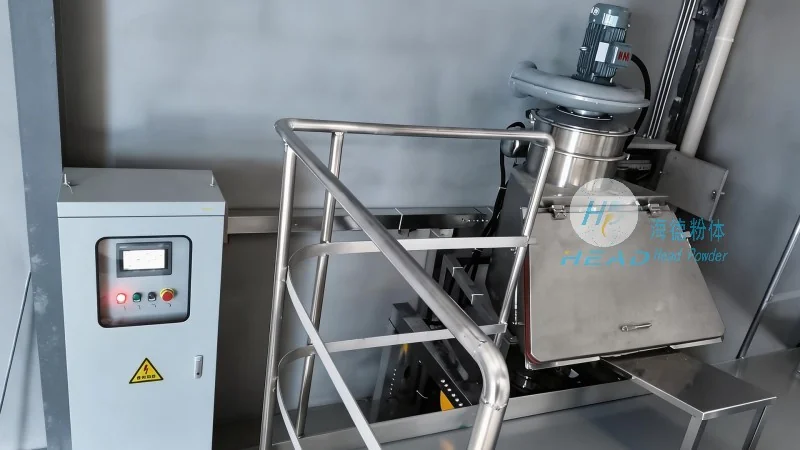
The fundamental concept of pneumatic conveying involves transporting bulk materials like calcium hydroxide powder through a pipeline using air or gas as the conveying medium. These systems typically consist of several key components: a storage hopper, a feeder mechanism, a pipeline network, and a receiving hopper or silo. The storage hopper holds the bulk material, ensuring a consistent supply for the system. The feeder, often a rotary valve or screw feeder, regulates the flow rate of the powder into the pipeline, preventing overloading and maintaining a steady stream. The pipeline, designed with appropriate diameters and bends, carries the powder-air mixture from the source to the destination. The receiving hopper collects the material, and in many cases, includes a dust collection system to maintain air quality and comply with environmental regulations.
Key Components and Their Functions in Pneumatic Conveying
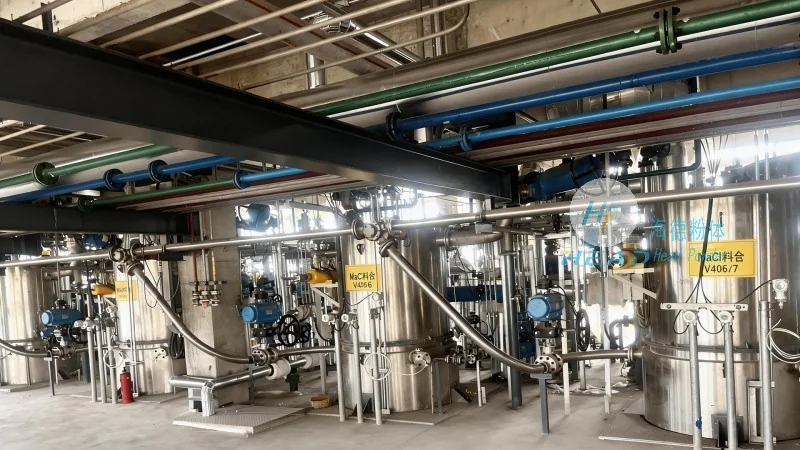
Each component of the pneumatic conveying system plays a critical role in the efficient transport of calcium hydroxide powder. The storage hopper is equipped with a discharge valve that controls the material release, ensuring smooth operation. The feeder is designed to handle the specific characteristics of the powder, such as its particle size and moisture content, to prevent clogging and maintain flow consistency. The pipeline is constructed from materials resistant to corrosion and wear, such as stainless steel or polyethylene, to withstand the abrasive nature of the powder. The receiving hopper may include a silo or a bagging system, depending on the application, to store the material for further use. Additionally, the system may incorporate a filter or cyclone to separate the powder from the air, preventing dust emissions and ensuring compliance with safety standards.
Advantages of Pneumatic Conveying for Calcium Hydroxide Powder
Pneumatic conveying offers several distinct advantages over traditional material handling methods like belt conveyors or bucket elevators. One of the primary benefits is the elimination of mechanical contact with the material, which reduces the risk of contamination and degradation. The system is also highly flexible, allowing for adjustments in flow rates and destination points without extensive modifications. This adaptability is particularly valuable in dynamic industrial environments where production needs may change frequently. Furthermore, pneumatic conveying can handle fine powders like calcium hydroxide effectively, preventing clogging and ensuring consistent performance. The ability to transport materials over long distances with minimal maintenance makes it a cost-effective solution, reducing downtime and operational costs for businesses.
Applications in Industrial and Commercial Settings
The application of pneumatic conveying for calcium hydroxide powder is widespread across multiple industries. In the construction industry, it is commonly used for mixing with other components to create plasters, mortars, and concrete additives. The precise control over the powder's flow ensures uniform mixing, leading to higher quality building materials. In agriculture, calcium hydroxide is used as a soil amendment to adjust pH levels and improve nutrient availability. Pneumatic conveying enables farmers and agricultural businesses to apply the powder efficiently and evenly across large areas. The chemical industry also relies on this method for processes involving lime-based reactions, where accurate dosing and handling are critical for product quality and safety. Each of these applications benefits from the controlled and efficient transport provided by pneumatic systems, ensuring that the calcium hydroxide powder reaches its intended destination in optimal condition.
Operational Considerations and Best Practices
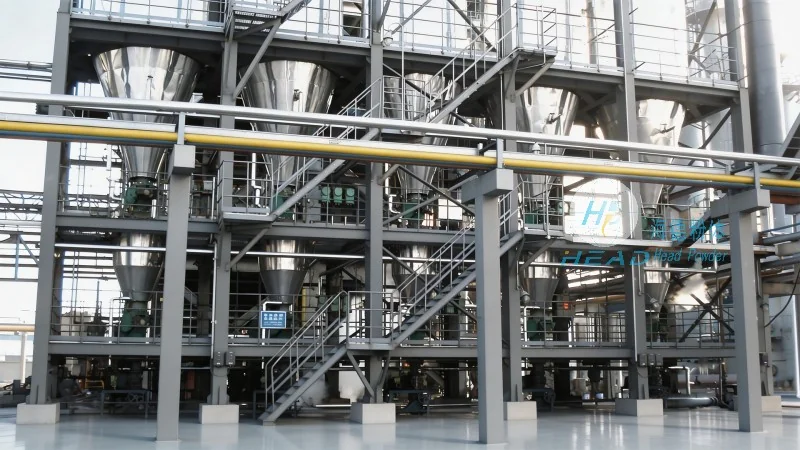
Successful operation of pneumatic conveying systems for calcium hydroxide powder requires careful attention to several operational considerations. The air velocity within the pipeline must be carefully controlled to prevent material settling but avoid excessive wear on components. The system should be designed to accommodate the specific properties of calcium hydroxide, such as its particle size distribution and moisture content, to ensure smooth flow. Regular maintenance is essential, including cleaning of pipelines, checking for leaks, and inspecting components for wear and tear. Monitoring pressure and flow rates provides valuable insights into system performance, allowing operators to identify potential issues before they lead to system failures. Additionally, implementing proper dust control measures, such as using filters or cyclones, is crucial for maintaining air quality and ensuring compliance with occupational health and safety regulations.
Conclusion: The Role of Pneumatic Conveying in Calcium Hydroxide Handling
Pneumatic conveying represents a sophisticated and efficient solution for the transportation of calcium hydroxide powder, addressing the challenges associated with handling fine, abrasive materials. By leveraging the principles of air movement and material interaction, these systems offer a reliable alternative to traditional methods, enhancing product quality and operational efficiency. As industries continue to seek innovative solutions for material handling, the importance of understanding and implementing effective pneumatic conveying systems becomes increasingly evident. For businesses operating in sectors that rely on calcium hydroxide, investing in well-designed and maintained pneumatic conveying systems is a strategic move toward optimizing their processes and achieving long-term success.




