For industrial applications requiring efficient and reliable material handling, the automatic continuous pneumatic conveying system stands out as a sophisticated solution. This system, developed by Shandong HeadPowder Engineering Co., Ltd., a leading manufacturer based in China, offers a seamless method for transporting bulk materials over long distances with minimal human intervention. The system is designed to enhance operational efficiency, reduce downtime, and improve overall process control in various industries such as food processing, pharmaceuticals, and chemical manufacturing.
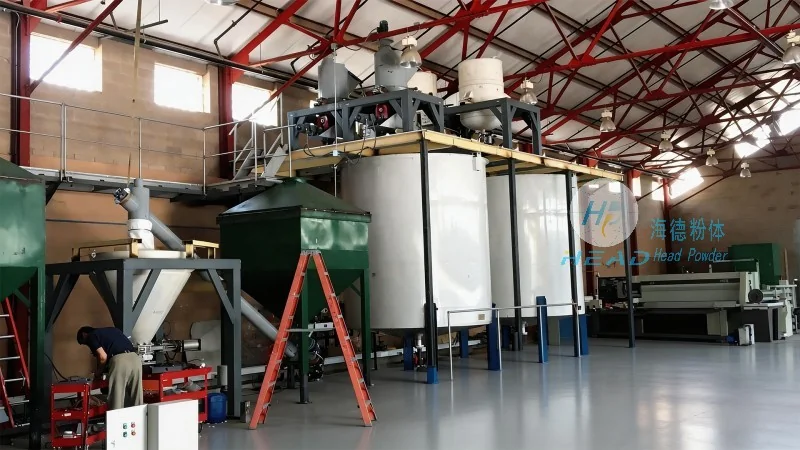
At the core of the system is its continuous operation capability, which distinguishes it from traditional batch or intermittent conveying methods. The automatic nature of the system ensures that material flow is uninterrupted, maintaining a consistent throughput rate. This is achieved through a combination of advanced components that work in harmony to deliver a stable and controlled conveying process.
Key Structural Components and Their Functions
The automatic continuous pneumatic conveying system comprises several critical components, each playing a vital role in the overall operation. The primary elements include the material hopper, which serves as the initial storage and feeding unit, ensuring a steady supply of material to the system. The hopper is equipped with a feeder, typically a rotary valve or a screw feeder, that regulates the flow of material into the conveying line. This component is crucial for maintaining a consistent feed rate, preventing blockages, and ensuring smooth material transfer.
Next, the conveying line itself, often made of stainless steel or other corrosion-resistant materials, forms the backbone of the system. The line is designed to handle the pressure and flow requirements of the material being transported. Within the line, a series of airlocks or rotary valves may be integrated to control the direction of material flow and prevent backflow. These components are essential for maintaining the integrity of the conveying process and ensuring that material does not escape or mix with external air.
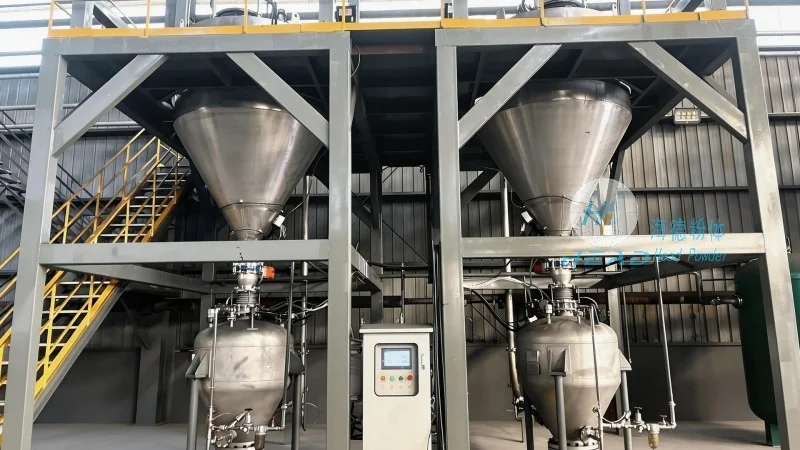
The system also includes a dust collection and filtration unit, which is critical for maintaining air quality and complying with environmental regulations. This unit captures any airborne particles and filters the air before it is released back into the environment. Additionally, a control panel is integrated into the system, allowing operators to monitor and adjust various parameters such as air pressure, material flow rate, and system temperature. The control panel provides real-time feedback and allows for remote operation, enhancing the system's flexibility and adaptability.
Working Principles of the Pneumatic Conveying Process
The operation of the automatic continuous pneumatic conveying system is based on the principle of air pressure to move material through the conveying line. The system uses a blower or a positive displacement pump to generate the necessary air pressure, which is then introduced into the conveying line. As air flows through the line, it creates a vacuum or pressure differential that pulls or pushes the material along with it. The material is carried in the form of a slurry or a dense phase, depending on the system configuration and the properties of the material being transported.
In the dense phase conveying mode, the material is conveyed in a compacted state, which reduces the risk of material degradation and improves energy efficiency. This mode is particularly suitable for materials that are prone to attrition or that require gentle handling. The system's ability to operate in both dense and dilute phase modes provides versatility, allowing it to handle a wide range of materials with varying characteristics.
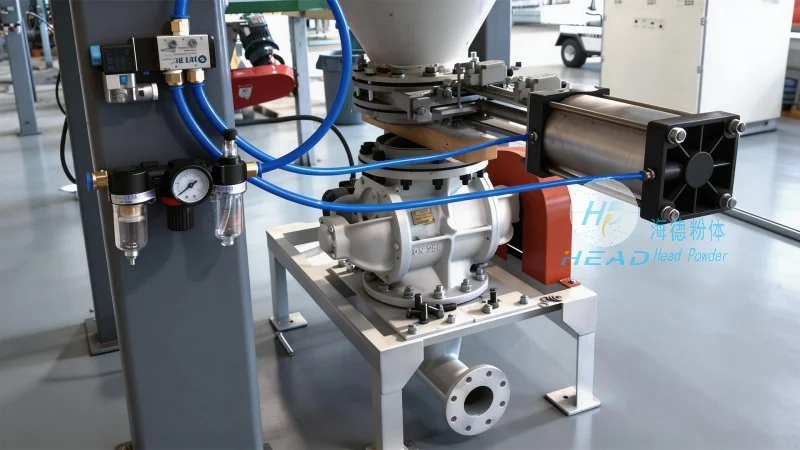
The continuous operation of the system is achieved through a closed-loop control system that monitors and adjusts the air pressure and material feed rate in real-time. This ensures that the system maintains a stable flow rate, even when faced with variations in material supply or demand. The control system also includes safety features such as pressure relief valves and emergency shut-off mechanisms, which protect the system and operators from potential hazards.
Advantages of the Automatic Continuous Pneumatic Conveying System
Compared to traditional conveying methods, the automatic continuous pneumatic conveying system offers several advantages that make it an attractive choice for industrial applications. One of the primary benefits is its ability to handle a wide variety of materials, including powders, granules, and bulk solids. The system's design allows for the transportation of materials with different particle sizes, shapes, and moisture content, making it versatile for diverse industrial needs.
Another significant advantage is the reduction in labor costs and operational downtime. The automatic nature of the system minimizes the need for manual intervention, reducing the risk of human error and increasing overall productivity. Additionally, the system's continuous operation ensures that material is transported efficiently, reducing the time required for material handling and improving the overall throughput of the production process.
The system also offers improved process control and monitoring capabilities. The integrated control panel allows operators to track key parameters such as air pressure, material flow rate, and system temperature, enabling them to make informed decisions and adjust the system as needed. This level of control helps in maintaining product quality and consistency, which is critical in industries such as pharmaceuticals and food processing.
Furthermore, the system's design promotes energy efficiency and environmental sustainability. By using a closed-loop system with minimal air leakage, the system reduces energy consumption and lowers operational costs. The dust collection and filtration unit also helps in maintaining air quality and complying with environmental regulations, making the system environmentally friendly.
Applications and Industries
The automatic continuous pneumatic conveying system is widely used in various industries due to its versatility and efficiency. In the food and beverage industry, the system is used to transport ingredients such as flour, sugar, and spices, ensuring that the materials are handled hygienically and efficiently. The system's stainless steel construction and easy cleaning features make it suitable for food processing applications.
In the pharmaceutical industry, the system is used to transport active pharmaceutical ingredients (APIs) and other sensitive materials. The system's ability to maintain a sterile environment and prevent contamination is crucial in this industry. The system's design also allows for the handling of materials with low moisture content, which is important for maintaining product stability.
In the chemical industry, the system is used to transport various chemicals, including powders and granules. The system's corrosion-resistant materials and robust construction make it suitable for handling aggressive chemicals. The system's ability to operate in dense phase mode also helps in reducing material degradation and improving product quality.
In the mining and mineral processing industry, the system is used to transport raw materials such as ores and minerals. The system's high capacity and ability to handle abrasive materials make it an ideal choice for this industry. The system's continuous operation also helps in reducing the time required for material handling, improving the overall efficiency of the mining process.
Conclusion
The automatic continuous pneumatic conveying system, developed by Shandong HeadPowder Engineering Co., Ltd., represents a significant advancement in material handling technology. Its advanced structure and working principles provide a reliable and efficient solution for transporting bulk materials in various industrial applications. The system's versatility, energy efficiency, and ease of operation make it a preferred choice for industries seeking to enhance their production processes and improve overall operational efficiency.
With its continuous operation capability and integrated control system, the system ensures consistent and reliable material transport, reducing downtime and improving product quality. The system's design also promotes environmental sustainability and compliance with regulatory standards, making it a responsible choice for modern industrial operations. As industries continue to seek more efficient and reliable material handling solutions, the automatic continuous pneumatic conveying system remains a key technology in the field.




