Barley pneumatic conveying systems are essential equipment in the grain processing industry, designed to efficiently transport barley from storage to processing units. This article provides an overview of the key components, structural design, and operational principles of such systems, highlighting their importance in modern agricultural and food processing operations.
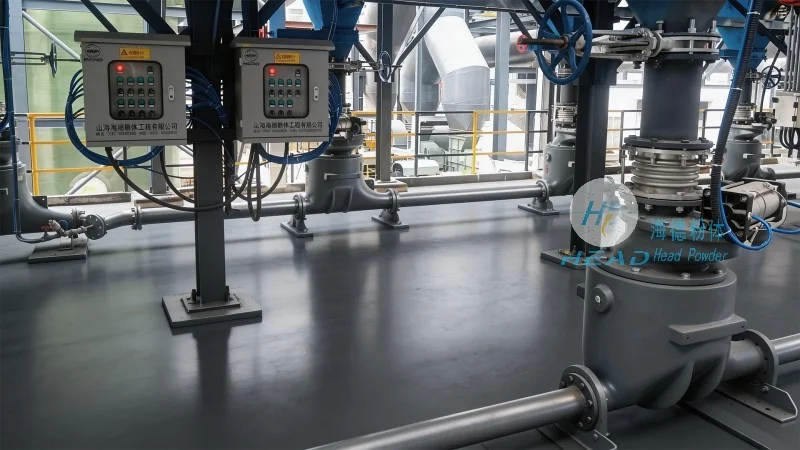
Company Profile: Shandong HeadPowder Engineering Co., Ltd.
Headpowder, a leading manufacturer in the field, specializes in the design, manufacturing, and installation of advanced pneumatic conveying solutions. With a strong commitment to quality and innovation, the company has established itself as a trusted partner for businesses requiring reliable and efficient grain handling systems. Headpowder operates from Shandong, China, leveraging local expertise and resources to deliver high-performance equipment tailored to the specific needs of the barley processing sector.
Key Components of Barley Pneumatic Conveying Systems
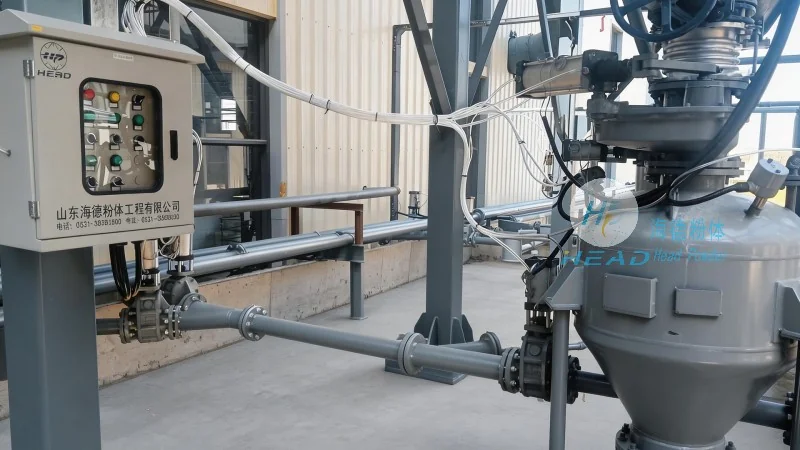
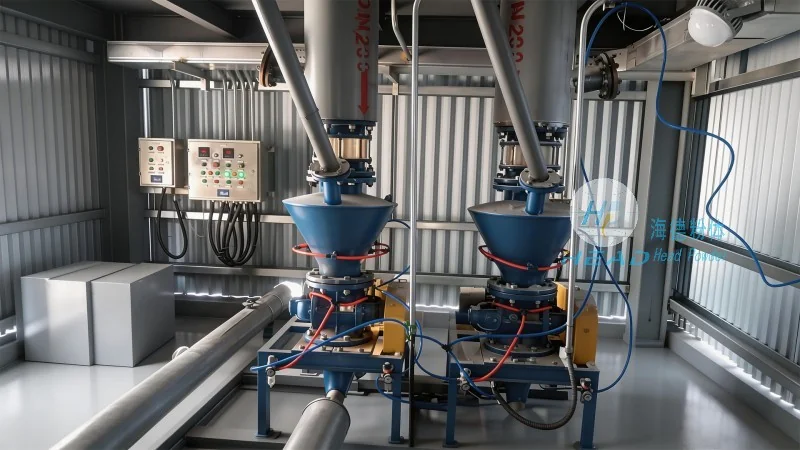
The core components of a barley pneumatic conveying system include the hopper, feeder, air compressor, pipeline network, and receiver. The hopper serves as the initial storage and feeding point, ensuring a consistent flow of barley into the system. The feeder, typically a rotary valve or screw feeder, regulates the material discharge rate, preventing overloading and maintaining system efficiency. The air compressor generates the necessary pressure to move the barley through the pipeline, with options ranging from positive displacement to centrifugal models depending on the system's capacity and requirements. The pipeline network, constructed from durable materials like stainless steel or PVC, transports the barley while minimizing material degradation and loss. Finally, the receiver collects the conveyed barley, often equipped with a discharge valve to control the final output.
Structural Design and Material Considerations
The structural design of barley pneumatic conveying systems prioritizes durability, hygiene, and ease of maintenance. Components are constructed from food-grade materials to ensure compliance with industry standards, particularly in food processing applications. Stainless steel is commonly used for hoppers, feeders, and receivers due to its resistance to corrosion, rust, and bacterial growth. The pipeline system may incorporate flexible connectors and joints to accommodate installation in confined spaces or uneven layouts. Additionally, the system's design incorporates features such as air filtration and dust collection to maintain air quality and prevent environmental contamination. Proper sealing and gasketing are critical to prevent material leakage and maintain system efficiency.
Working Principles and Operational Efficiency
The operation of a barley pneumatic conveying system relies on the principle of air movement to transport solid materials. In a typical positive displacement system, the air compressor creates a pressure differential that draws barley from the hopper into the pipeline. The material is then carried by the air stream, with the velocity of the air sufficient to keep the barley particles suspended and moving through the system. The system's efficiency is influenced by factors such as air pressure, flow rate, and pipeline diameter. Proper sizing of the air compressor and pipeline is essential to avoid excessive energy consumption or material degradation. The system also includes safety features like pressure relief valves and air filters to protect against overpressure and maintain air quality. Regular maintenance, including cleaning of filters and checking for wear in components, is crucial to ensure long-term operational efficiency and system reliability.
Applications and Benefits in Barley Processing
Barley pneumatic conveying systems are widely used in various stages of barley processing, including storage, cleaning, milling, and packaging. In storage facilities, the system efficiently transfers barley from silos to processing lines, reducing manual handling and labor costs. During cleaning operations, the system can transport barley through screening and cleaning equipment, ensuring that only clean, quality grains proceed to the next stage. In milling processes, the system delivers barley to the grinding and milling units, where it is processed into flour or other products. The benefits of using pneumatic conveying systems include improved productivity, reduced labor requirements, and enhanced product quality. By minimizing material handling and exposure to contaminants, the system helps maintain the purity and nutritional value of the barley, which is critical for food and beverage applications.
Maintenance and Longevity of the System
Proper maintenance is essential to ensure the longevity and optimal performance of a barley pneumatic conveying system. Regular inspections of components such as the air compressor, pipeline, and filters are necessary to identify and address potential issues before they escalate into major problems. Filters should be cleaned or replaced as needed to prevent clogging and maintain air flow efficiency. The hopper and feeder should be checked for material buildup or blockages, which can affect the system's flow rate. Lubrication of moving parts, such as bearings and seals, is also important to reduce wear and extend component life. Additionally, the system should be cleaned regularly to prevent the accumulation of dust or grain residue, which can lead to corrosion or bacterial growth. By following a comprehensive maintenance schedule, users can maximize the system's lifespan and minimize downtime, ensuring consistent and reliable operation.
Conclusion
Barley pneumatic conveying systems represent a critical technology in the modern grain processing industry, offering efficient, hygienic, and reliable solutions for transporting barley. With their robust design, advanced components, and operational flexibility, these systems enhance productivity and product quality in barley processing operations. Headpowder, as a leading manufacturer, continues to innovate and provide high-quality pneumatic conveying solutions tailored to the specific needs of the barley industry, supporting businesses in achieving their processing goals with efficiency and reliability.




