Pneumatic conveying systems are essential in industrial applications for the efficient transport of bulk materials, including soap granules. These systems utilize air or gas to move materials through a pipeline network, offering a flexible and often cleaner alternative to traditional mechanical conveying methods. The soap granule pneumatic conveying line, specifically designed for handling soap granules, combines advanced engineering with robust construction to ensure reliable and efficient material transfer in various production environments.
Key Components and Structure of the System
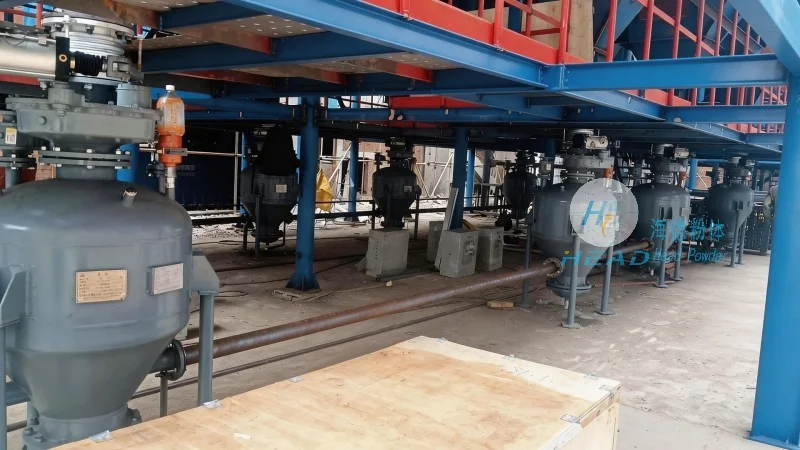
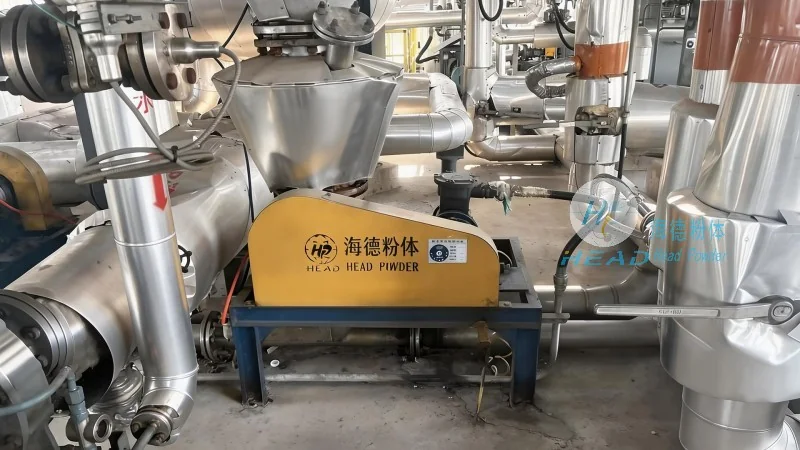
The soap granule pneumatic conveying system typically consists of several critical components that work in tandem to achieve effective material transport. The main components include the material feed hopper, which is designed to hold a substantial quantity of soap granules and features a controlled discharge mechanism to regulate the flow into the system. This hopper is often equipped with a level indicator to monitor the material level and prevent overfilling. The air compressor or blower is a key component that generates the necessary air pressure and flow rate to move the soap granules through the pipeline. It can be a positive displacement blower or a centrifugal fan, depending on the system's requirements and the material's characteristics. The conveying pipeline is constructed from durable materials such as stainless steel or high-density polyethylene to withstand the abrasive nature of soap granules and the corrosive effects of any moisture present. The pipeline network may include bends, elbows, and straight sections, all designed to minimize pressure loss and maintain the material's suspended state. The control system is an integral part of the operation, incorporating sensors and controllers to monitor parameters such as air pressure, flow rate, and material level. It allows for real-time adjustments to optimize the conveying process and prevent issues like blockages or excessive energy consumption. Additionally, the system may include supplementary components such as rotary valves, which act as airlocks to control the flow of material into the pipeline, and dust collectors, which capture any airborne particles to maintain a clean and safe working environment.
Working Principle of the Pneumatic Conveying Process
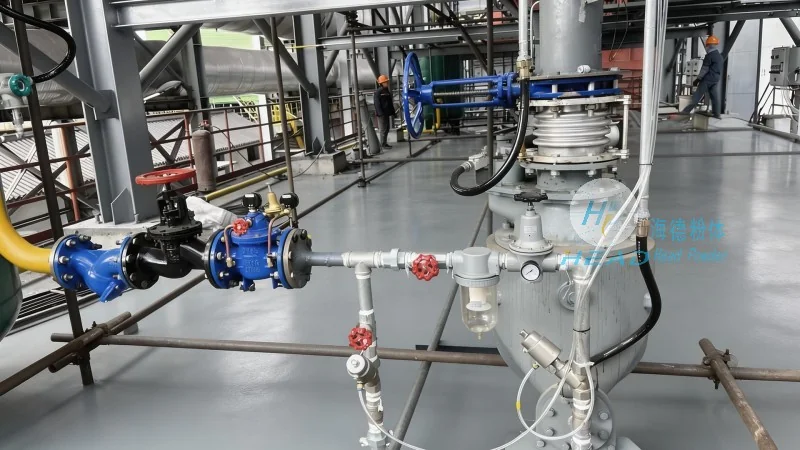
The operation of the soap granule pneumatic conveying system is based on the principle of air movement and material suspension, which is fundamental to pneumatic conveying technology. When the air compressor starts, it generates a flow of air through the pipeline at a velocity sufficient to entrain the soap granules. The soap granules are introduced into the system, either by gravity from the feed hopper or via a feeder, and are then carried along by the moving air stream. The air pressure and velocity are carefully controlled to maintain the material in a suspended state, preventing it from settling or causing blockages in the pipeline. The conveying process can operate in different modes, including dilute phase and dense phase, depending on the material's density and the desired transport efficiency. In dilute phase conveying, the material is suspended in the air stream with a low solid concentration, allowing for high-speed transport over long distances. In dense phase conveying, the material is conveyed in a more concentrated form, with higher air pressure and lower velocity, which is suitable for applications requiring gentle handling or longer transport distances. The system's control system continuously monitors the pressure and flow rates, adjusting the air compressor output as needed to maintain optimal conditions. This dynamic control ensures that the soap granules are transported efficiently and safely, minimizing energy consumption and maximizing system performance.
Advantages of Using a Soap Granule Pneumatic Conveying Line
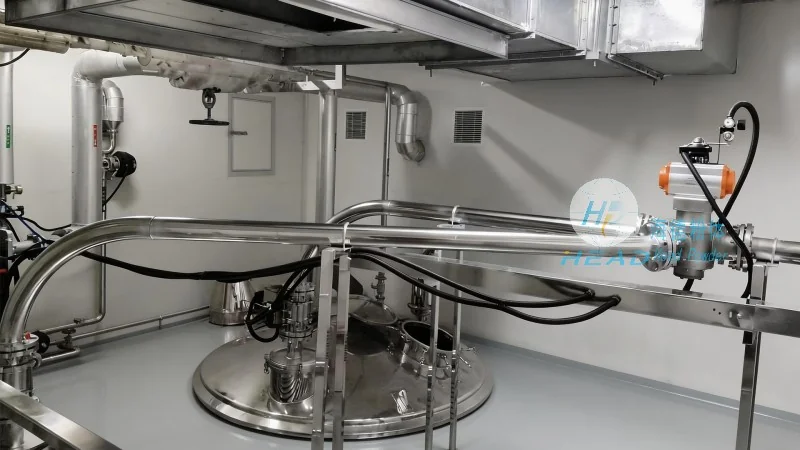
Implementing a soap granule pneumatic conveying line offers several advantages over traditional conveying methods. One of the primary benefits is the reduction of material handling costs and labor, as the system automates the transport process. Additionally, the enclosed pipeline system minimizes dust emissions and environmental contamination, making it suitable for applications where hygiene and safety are critical. The system also provides flexibility in layout, allowing for easy integration into existing production facilities and the ability to convey materials over long distances without the need for multiple transfer points. Furthermore, the robust design of the equipment ensures long-term reliability and minimal maintenance, contributing to overall operational efficiency. The system's ability to handle abrasive and corrosive materials like soap granules without significant wear and tear also extends its service life, providing a cost-effective solution for industrial material transport needs.




