Pyrolytic carbon pneumatic conveying equipment is a specialized system designed for the efficient handling and transportation of pyrolytic carbon powders. This equipment plays a crucial role in various industrial applications, ensuring reliable material transfer while maintaining product integrity. The following sections provide an overview of the equipment's structure and working principles, highlighting its key components and operational mechanisms.
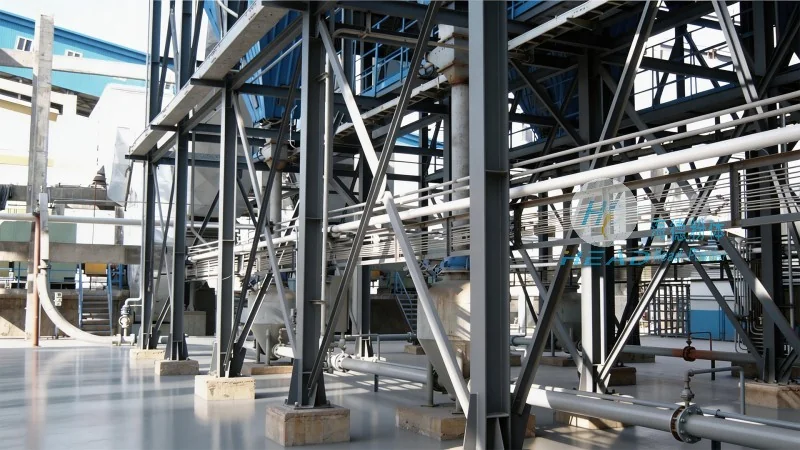
Overview of Pyrolytic Carbon Pneumatic Conveying Equipment
Pyrolytic carbon, also known as carbon black, is a fine powder widely used in industries such as electronics, batteries, and coatings. The pneumatic conveying system is engineered to handle this material with precision, minimizing dust generation and ensuring consistent flow rates. The equipment is typically composed of several interconnected components that work in tandem to achieve effective material transport. These components include a hopper for material storage, a conveying line, a blower or compressor to generate airflow, and a receiver for the delivered material. The design of the system is tailored to the specific characteristics of pyrolytic carbon, including its particle size, density, and flowability.
Structural Components and Their Functions
The pyrolytic carbon pneumatic conveying equipment consists of several key structural components, each serving a specific function in the material handling process. The primary components include:
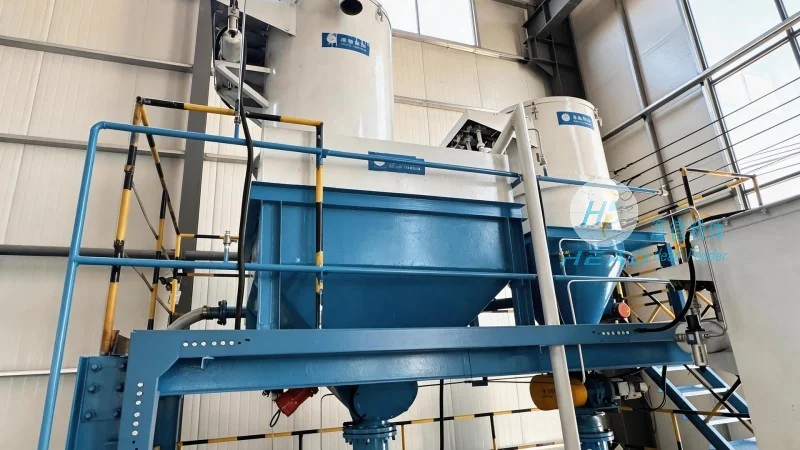
- Hopper: A storage vessel where pyrolytic carbon is loaded. The hopper is designed with a smooth interior to prevent material buildup and ensure uniform feeding. It often features a discharge valve or gate to control the flow of material into the conveying line.
- Conveying Line: A pipeline system that transports the material through the air stream. The line is typically made of corrosion-resistant materials, such as stainless steel or polyethylene, to withstand the abrasive nature of pyrolytic carbon. The diameter and length of the line are optimized to maintain optimal airflow and prevent blockages.
- Blower or Compressor: The power source that generates the necessary airflow to move the material. The blower or compressor creates a pressure differential between the inlet and outlet of the conveying line, propelling the material forward. The selection of the blower depends on the material's properties and the required conveying distance.
- Receiver: A container where the conveyed pyrolytic carbon is deposited. The receiver is equipped with a dust collection system to capture any fine particles that may escape during the process, ensuring environmental compliance and product purity.
- Control System: An integrated system that monitors and regulates the operation of the equipment. The control system includes sensors for flow rate, pressure, and temperature, as well as control valves and switches to adjust the airflow and material feed. This ensures the system operates efficiently and safely.
Working Principle of the Pneumatic Conveying Process
The operation of the pyrolytic carbon pneumatic conveying equipment follows a systematic process that involves the following steps:
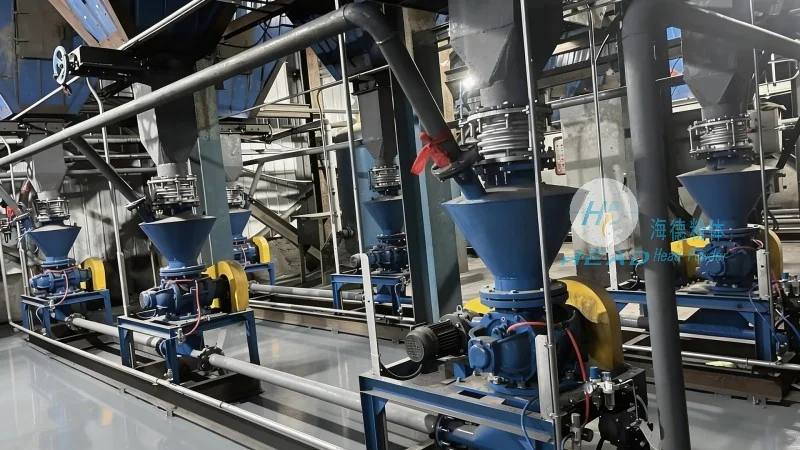
- Material Loading: Pyrolytic carbon is loaded into the hopper from a bulk container or a production line. The material is stored in a controlled manner to prevent segregation and maintain consistent properties.
- Feeding and Airflow Initiation: The discharge valve in the hopper is opened, allowing the material to fall into the conveying line. Simultaneously, the blower or compressor is activated, generating a high-velocity air stream that enters the line at the inlet.
- Material Suspension and Transport: As the material falls into the air stream, it becomes suspended in the airflow. The air velocity is maintained at a level sufficient to keep the particles airborne, preventing them from settling and causing blockages. The material is then transported through the conveying line to the receiver.
- Deceleration and Deposition: Upon reaching the receiver, the air velocity decreases, causing the pyrolytic carbon particles to settle out of the air stream. The material is collected in the receiver, while the air is either recirculated or vented to the atmosphere through a filtration system.
- System Regulation: The control system continuously monitors the pressure, flow rate, and temperature within the system. It adjusts the airflow and material feed as needed to maintain optimal operation. This ensures the system runs efficiently and prevents overloading or underloading.
Advantages and Applications
The pyrolytic carbon pneumatic conveying equipment offers several advantages that make it suitable for various industrial applications. These include:
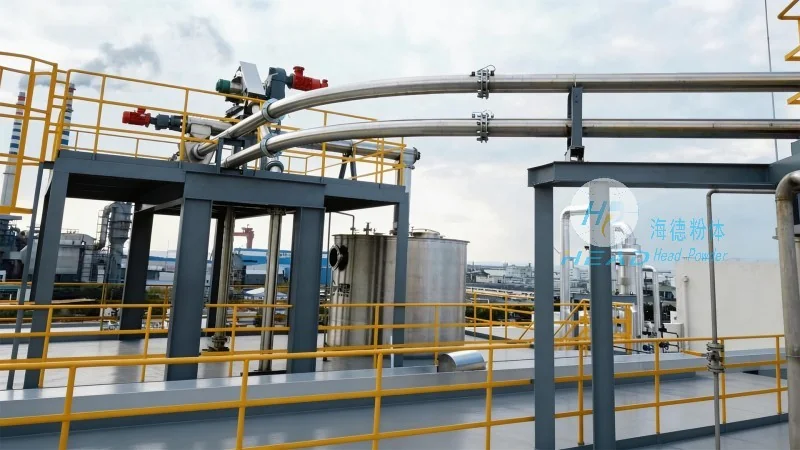
- Efficient Material Handling: The system allows for continuous and automated material transport, reducing labor costs and increasing production efficiency.
- Minimized Dust and Contamination: The enclosed design of the equipment prevents dust dispersion, ensuring a clean working environment and maintaining product purity.
- Flexible Conveying: The pneumatic system can handle materials over long distances and through complex layouts, making it adaptable to different plant configurations.
- Low Maintenance: The components are designed for durability and easy maintenance, reducing downtime and operational costs.
Applications of this equipment include the transportation of pyrolytic carbon in battery manufacturing, electronic component production, and coating industries. The equipment is also used in research and development laboratories for handling fine powders with high precision.
About Shandong HeadPowder Engineering Co., Ltd.
Shandong HeadPowder Engineering Co., Ltd., commonly known as HeadPowder, is a leading manufacturer of pneumatic conveying equipment and related solutions. The company is headquartered in Shandong, China, and specializes in designing and producing high-quality systems for handling various powders, including pyrolytic carbon. HeadPowder's commitment to innovation and quality ensures that their products meet the stringent requirements of modern industrial applications. The company provides comprehensive support, including design, installation, and maintenance services, to ensure customer satisfaction and operational success.




