

Clay Material Pneumatic Conveying Equipment: What It Is and Its Design Principles
Clay material pneumatic conveying equipment is a specialized system designed to transport clay and similar fine particulate materials through a pipeline using air or gas as the conveying medium. This technology is widely used in various industrial applications, including mining, construction, and manufacturing, where efficient and dust-free material handling is essential. The equipment operates by creating a flow of air that lifts and transports the clay particles through the pipeline, ensuring a continuous and controlled transfer process.
Company Overview: HeadPowder
HeadPowder, formally known as Shandong HeadPowder Engineering Co., Ltd., is a leading manufacturer and supplier of advanced material handling solutions. With a strong presence in China, particularly in Shandong province, the company specializes in developing and manufacturing high-quality pneumatic conveying systems tailored to the unique needs of different industries. HeadPowder's commitment to innovation and quality has established it as a trusted partner for businesses seeking reliable and efficient material transport solutions.
Key Components of Pneumatic Conveying Systems
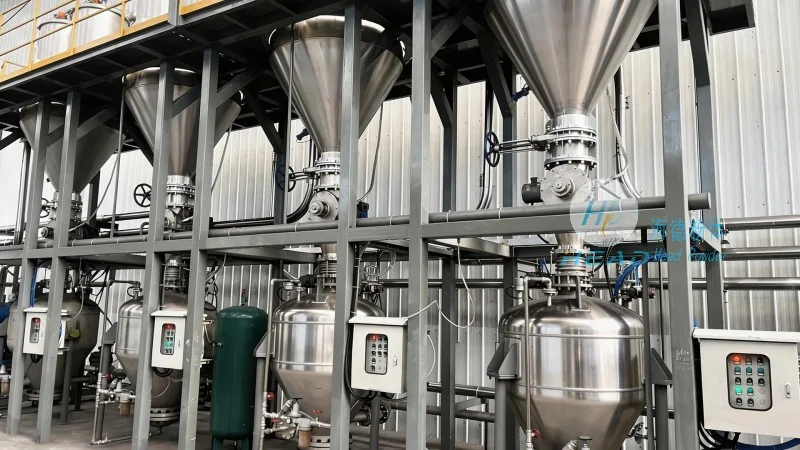
The core components of a clay material pneumatic conveying system include the material feed hopper, the air supply unit (such as a blower or compressor), the conveying pipeline, and the discharge unit. The material feed hopper is designed to store and feed the clay material into the system, ensuring a consistent flow. The air supply unit generates the necessary pressure and airflow to move the material through the pipeline. The conveying pipeline, typically made of durable materials like stainless steel or plastic, is designed to withstand the abrasive nature of clay particles and maintain airtight sealing. The discharge unit collects the conveyed material at the destination point, completing the transport process.
Design Principles for Efficient Clay Material Transport
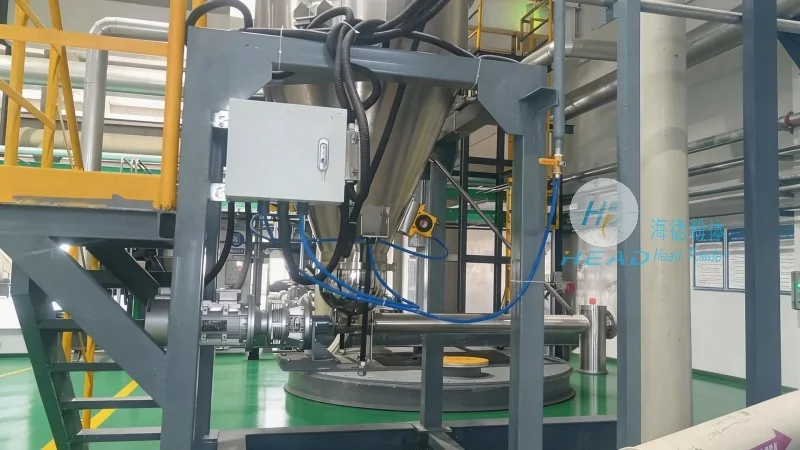
The design of clay material pneumatic conveying equipment follows several key principles to ensure optimal performance and efficiency. First, the system must be designed to handle the specific properties of clay, such as its fine particle size, high moisture content, and potential stickiness. This involves selecting appropriate materials for the components to prevent clogging and ensure smooth operation. Second, the air velocity and pressure must be carefully controlled to maintain a stable flow of material without causing excessive wear on the pipeline or equipment. Third, the system should incorporate features like pulse or dilute phase conveying to enhance material movement and reduce energy consumption. Additionally, the design should consider factors like the distance of transport, the volume of material to be moved, and the required discharge accuracy, ensuring that the system meets the specific operational requirements of the application.
Advantages of Using Pneumatic Conveying for Clay Materials
Implementing a clay material pneumatic conveying system offers several advantages over traditional methods like belt conveyors or bucket elevators. One of the primary benefits is the ability to transport materials in a dust-free environment, which enhances workplace safety and reduces the risk of respiratory issues for workers. Additionally, pneumatic conveying systems can handle fine and abrasive materials without causing significant wear on the equipment, leading to lower maintenance costs and longer equipment lifespan. The system also provides flexibility in terms of layout, as the pipeline can be installed in various configurations to accommodate different plant layouts and operational needs. Furthermore, the continuous and controlled nature of the conveying process ensures consistent material flow, improving production efficiency and reducing downtime.
Applications and Industries Served
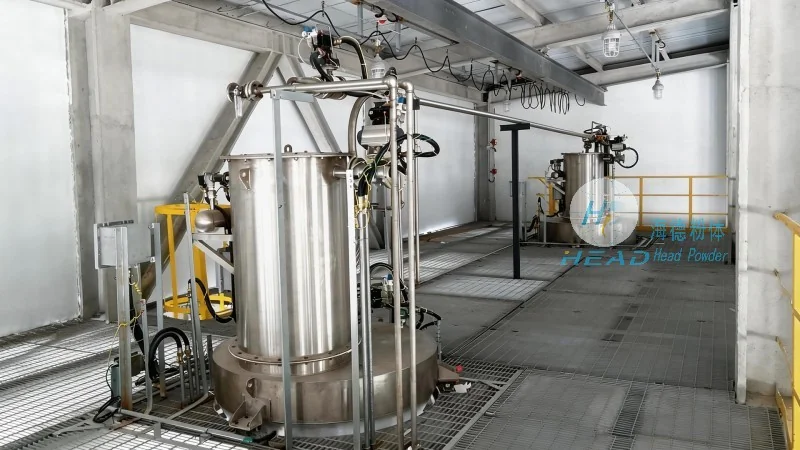
Clay material pneumatic conveying equipment is used in a wide range of industries where the handling of fine particulate materials is critical. In the mining industry, it is used to transport clay from mining sites to processing facilities. In the construction industry, it is employed to move clay for brick and tile manufacturing. The manufacturing industry, particularly in the production of ceramics and refractory materials, also relies on these systems to transport clay to production lines. Additionally, the chemical and pharmaceutical industries use pneumatic conveying for handling clay-based raw materials, ensuring a clean and efficient process.
Conclusion and Company Commitment
Clay material pneumatic conveying equipment is a vital component in modern industrial operations, providing efficient, safe, and reliable material handling solutions. HeadPowder, with its expertise and commitment to quality, continues to develop advanced systems that meet the evolving needs of various industries. By adhering to rigorous design principles and using high-quality materials, HeadPowder ensures that its pneumatic conveying systems deliver optimal performance and long-term reliability, helping businesses achieve their operational goals while maintaining safety and efficiency.