Steel and lime pneumatic conveying equipment is a specialized industrial device designed for the efficient and safe transportation of bulk materials, particularly steel and lime powders. This equipment plays a crucial role in various industrial processes, ensuring seamless material handling from source to destination. The following overview delves into the structural design and operational principles of such systems, highlighting their importance in modern material handling applications.
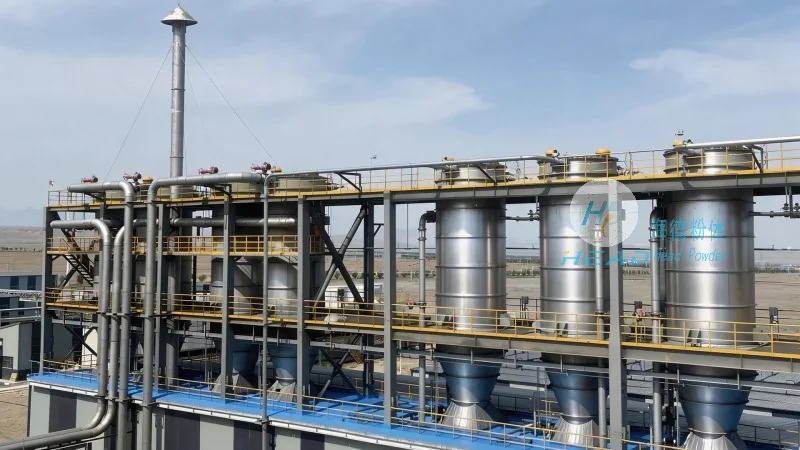
Structural Components and Design of Pneumatic Conveying Systems
The core structure of a steel and lime pneumatic conveying system comprises several key components that work in tandem to achieve effective material transport. These components include the hopper, which serves as the material storage and feeding unit, ensuring a consistent supply of the bulk material. The hopper is typically equipped with a feeder mechanism, such as a rotary valve or a screw feeder, which regulates the flow of steel or lime powders into the conveying line. This controlled feeding is essential to prevent blockages and maintain a steady flow rate.
Next, the conveying line itself is a critical component, often made of stainless steel or other corrosion-resistant materials to withstand the abrasive nature of steel and lime powders. The line may feature various sections, including vertical, horizontal, or inclined segments, depending on the layout of the industrial facility. To ensure smooth material movement, the system incorporates airlocks or rotary valves at the inlet and outlet points, which prevent backflow and maintain the integrity of the material stream. Additionally, the conveying line is connected to a blower or a positive displacement pump, which generates the necessary air pressure to propel the material particles through the system.
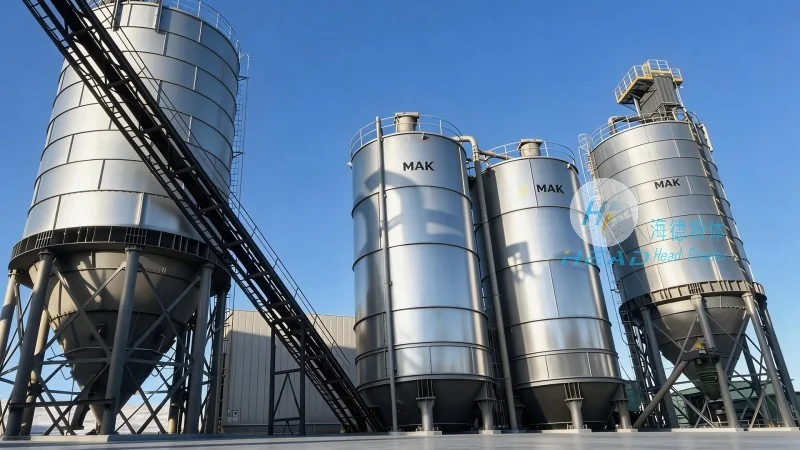
The system also includes a filter and cyclone separator, which are vital for maintaining air quality and recovering the conveyed material. The filter captures fine particles that may escape during the conveying process, while the cyclone separator uses centrifugal force to separate the material from the air stream, allowing the clean air to be recirculated or vented safely. These components are strategically placed to ensure efficient material recovery and minimize environmental impact.
Working Principle of Pneumatic Conveying for Steel and Lime
The operational principle of steel and lime pneumatic conveying equipment is based on the use of compressed air to transport bulk materials in a fluidized state. When the feeder mechanism releases the material into the conveying line, the air from the blower is introduced, creating a high-velocity air stream that lifts and propels the particles. The air velocity must be sufficient to overcome the gravitational force acting on the material particles, ensuring they remain suspended and move along the conveying line.
For steel and lime powders, which are typically fine and abrasive, the system is designed to handle these characteristics effectively. The air pressure and velocity are carefully controlled to prevent material degradation or blockages. The use of stainless steel components and robust feeder mechanisms further enhances the system's durability and performance in handling such materials. The entire process is automated, with sensors and control systems monitoring the flow rate, pressure, and material level to maintain optimal operation.
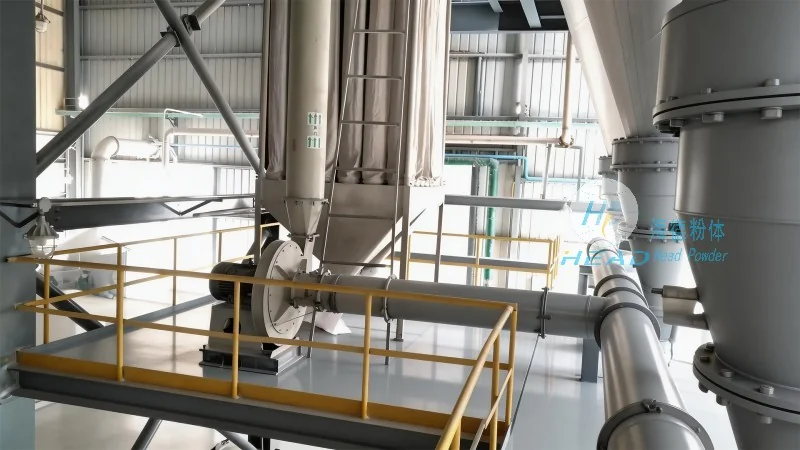
During operation, the material is transported from the hopper through the conveying line to the discharge point, where it is collected in a receiving container or directly into the next processing stage. The system's efficiency is measured by factors such as the conveying capacity, which indicates the amount of material transported per unit time, and the system's pressure drop, which reflects the energy consumption and overall performance. Proper maintenance of the components, including regular cleaning of the filter and replacement of worn parts, is essential to ensure long-term reliability and minimal downtime.
Applications and Benefits of Steel and Lime Pneumatic Conveying Equipment
Steel and lime pneumatic conveying equipment finds widespread application in various industries, including steel manufacturing, chemical processing, and food processing. In steel mills, it is used to transport lime, a crucial flux material, from storage to the blast furnace or other processing units. The equipment ensures that lime is delivered in a controlled manner, maintaining the quality of the steel production process. In chemical plants, it handles lime and other fine powders for processes such as neutralization or filtration, where precise material handling is critical.
The primary benefits of using pneumatic conveying systems for steel and lime include improved safety, as the material is transported in a closed system, reducing dust exposure and environmental contamination. Additionally, the system offers high efficiency and flexibility, allowing for easy integration into existing industrial layouts and adaptation to varying material flow requirements. The automated operation reduces labor costs and minimizes human error, while the robust design ensures long service life and low maintenance costs.
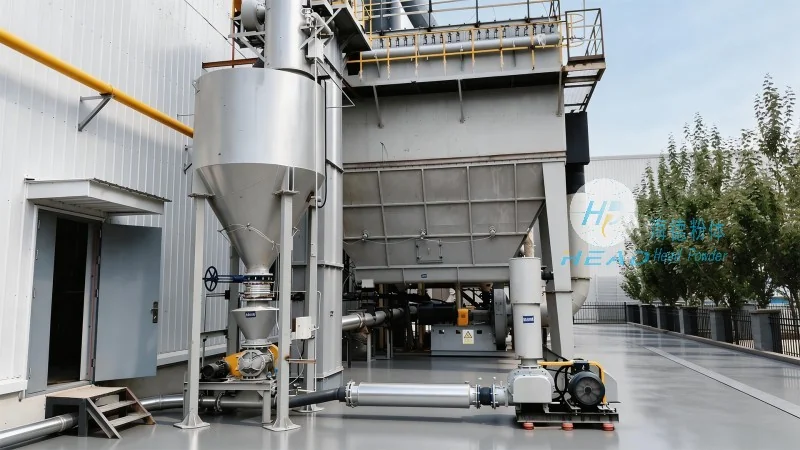
Furthermore, the system's ability to handle abrasive materials like steel and lime without significant wear and tear makes it a cost-effective solution compared to traditional methods like belt conveyors or bucket elevators. The closed-loop design also enhances environmental compliance, as it prevents dust emissions and ensures that all material is recovered and utilized effectively. These advantages make steel and lime pneumatic conveying equipment a preferred choice for industries seeking reliable, efficient, and safe material handling solutions.
Manufacturer and Company Overview
HeadPowder, a leading manufacturer of industrial material handling equipment, specializes in the design and production of steel and lime pneumatic conveying systems. With a strong presence in Shandong, China, Shandong HeadPowder Engineering Co., Ltd. has established itself as a trusted provider of high-quality, reliable equipment for various industrial applications. The company's commitment to innovation and quality ensures that its products meet the stringent requirements of modern manufacturing processes, delivering superior performance and durability.




