

Introduction to Equipment and Structural Principles of High-Pressure Dilute-Phase Pneumatic Conveyin
HeadPowder, as a professional manufacturer based in Shandong, China, specializes in the design, development, and supply of high-pressure dilute-phase pneumatic conveying systems. These systems are engineered to efficiently transport bulk materials over long distances with minimal operational complexity and maintenance requirements. The equipment is tailored to meet diverse industrial needs, ensuring reliable material handling solutions for various applications.
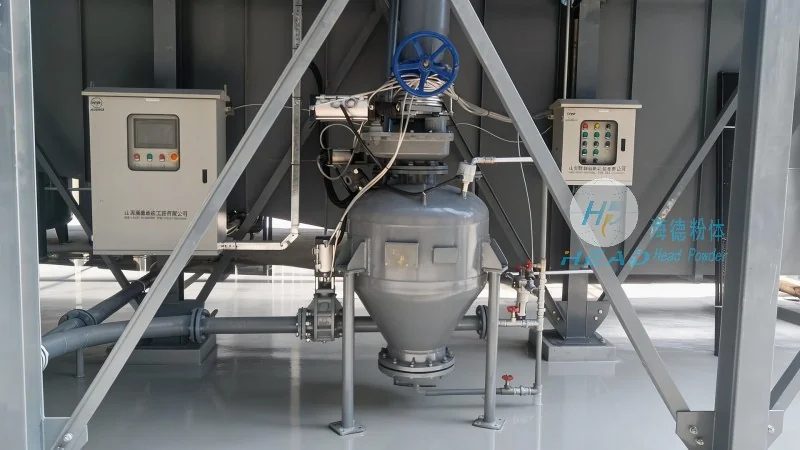
Key Components and Structural Design
The high-pressure dilute-phase pneumatic conveying system comprises several critical components that work in synergy to achieve efficient material transport. The system typically includes a positive displacement blower or a high-pressure compressor as the primary air source, which generates the necessary pressure to move the material. A hopper or feeder is used to introduce the bulk material into the system, ensuring a consistent feed rate. The conveying line, often made of robust materials such as stainless steel or special alloys, is designed to withstand the high-pressure conditions and prevent material degradation or blockages. At the receiving end, a receiver or silo collects the conveyed material, while a dust collection system, including filters and cyclones, ensures environmental compliance and operational safety.
Working Principle and Operational Efficiency
The core of the high-pressure dilute-phase pneumatic conveying system lies in its ability to transport material in a dilute phase, where the material particles are suspended in the air stream rather than forming a dense plug. This mode of operation maximizes the conveying efficiency and minimizes the risk of material buildup or blockages. The system operates by drawing air from the compressor and mixing it with the material in the hopper. The air and material mixture is then accelerated through the conveying line under high pressure, reaching velocities sufficient to keep the particles suspended. The receiving equipment captures the material while the air is filtered and recycled back into the system, reducing energy consumption and operational costs.
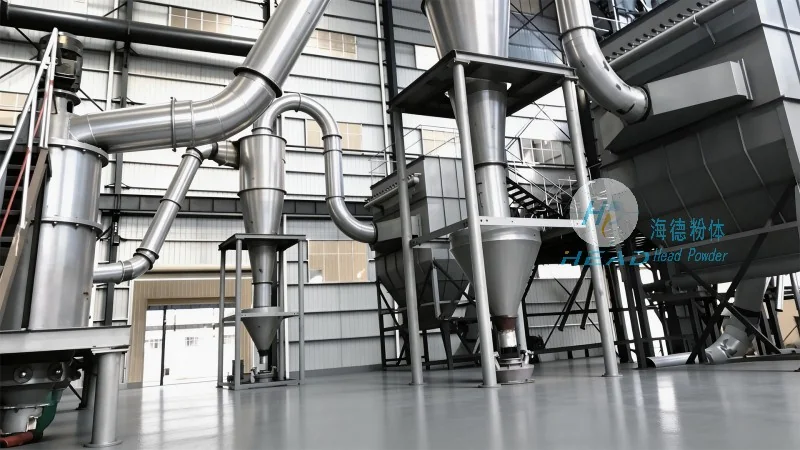
Advantages and Applications
High-pressure dilute-phase pneumatic conveying systems offer several advantages over traditional bulk material handling methods. These include the ability to transport materials over long distances with minimal space requirements, reduced risk of product contamination due to enclosed systems, and lower maintenance costs compared to mechanical conveyors. The systems are widely used in various industries, including chemical, pharmaceutical, food processing, and mining, for the transport of powders, granules, and other bulk materials. The design flexibility allows for customization to suit specific material characteristics and operational conditions, ensuring optimal performance and reliability.
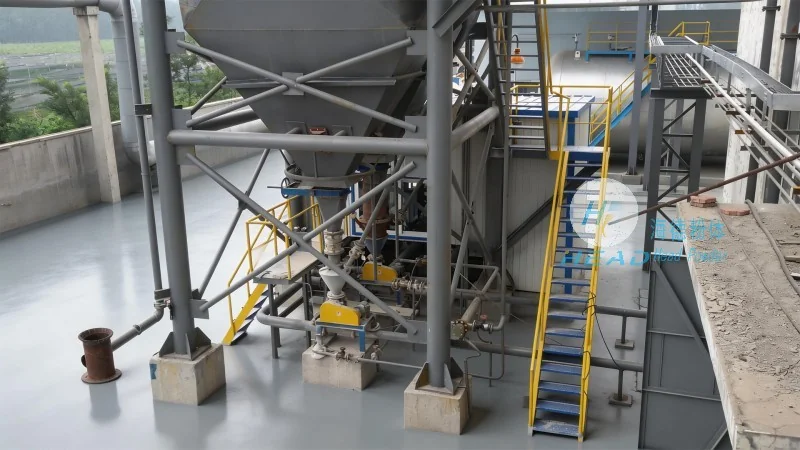
Technical Specifications and Customization Options
HeadPowder's high-pressure dilute-phase pneumatic conveying systems are available in various configurations to accommodate different material types, conveying distances, and operational pressures. The systems can be customized to handle materials with varying particle sizes, moisture content, and flow properties. Technical specifications include the maximum conveying distance, material flow rate, air pressure requirements, and power consumption. The company's engineering team works closely with clients to assess their specific needs and develop tailored solutions that meet industry standards and regulatory requirements. This approach ensures that the final system is not only efficient but also compliant with local environmental and safety regulations.
Maintenance and Operational Considerations
Proper maintenance is crucial to ensure the long-term performance and reliability of high-pressure dilute-phase pneumatic conveying systems. Regular inspections of the air compressor, conveying line, and material feed equipment are essential to identify and address potential issues before they escalate. Filters and cyclones should be cleaned or replaced as per the manufacturer's recommendations to maintain air quality and prevent system blockages. The system's control panel, which monitors pressure, flow, and other parameters, should be checked regularly to ensure optimal operation. Proper training of operators on the system's operation and maintenance procedures is also vital to minimize downtime and maximize productivity. HeadPowder provides comprehensive maintenance services and technical support to assist clients in maintaining their equipment in optimal condition.