Headpowder, a leading engineering company based in Shandong, China, specializes in the design, manufacturing, and installation of advanced pneumatic conveying systems tailored for the food processing industry. This article provides an overview of the equipment used in monosodium glutamate (MSG) handling, focusing on the structural principles and operational mechanisms that ensure efficient and reliable material transport.
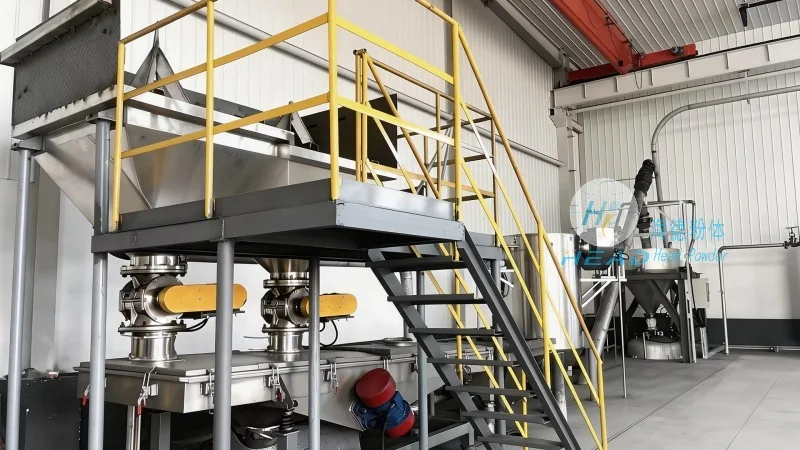
Overview of the Monosodium Glutamate Pneumatic Conveying System
The monosodium glutamate pneumatic conveying system is a critical component in modern food processing facilities, enabling the safe and efficient movement of MSG from storage silos to processing lines or packaging areas. Headpowder's systems are engineered to meet stringent industry standards, ensuring compliance with food safety regulations while maximizing productivity and minimizing operational costs.
Key Components and Structural Design
The system typically consists of several core components, each playing a vital role in the overall conveying process. These include the hopper or storage silo, which holds the raw MSG; the air compressor or blower, which generates the necessary air pressure; the conveying line, which transports the material; and the control system, which regulates the flow and pressure. The structural design emphasizes durability and corrosion resistance, as MSG can be hygroscopic and may contain impurities that require robust equipment to handle.
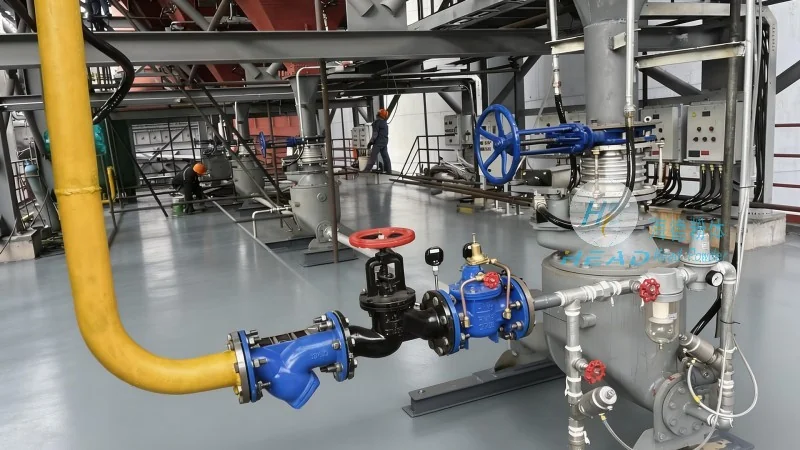
Working Principle of the Pneumatic Conveying System
The fundamental principle behind the system is the use of compressed air to create a flow that lifts and transports the MSG particles through the conveying line. As air is introduced into the hopper, it creates a low-pressure zone that draws the material into the line. The air and material mixture then travels through the pipeline, with the air pressure maintaining the material's suspension. The system may employ different types of conveying, such as dilute-phase or dense-phase, depending on the specific requirements of the application. Dilute-phase systems are commonly used for long-distance or high-volume transport, while dense-phase systems are preferred for handling fine powders or when precise control over material flow is necessary.
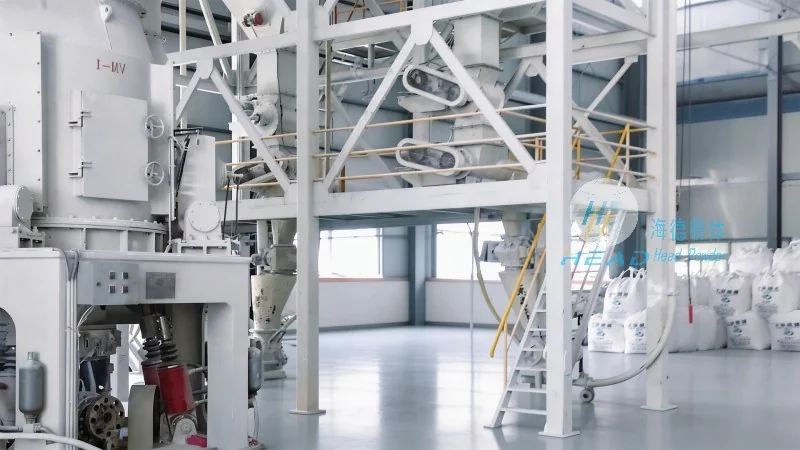
Advantages and Technical Features
Headpowder's monosodium glutamate pneumatic conveying systems offer several advantages over traditional mechanical conveying methods. These include reduced labor costs, as the system operates with minimal manual intervention; improved hygiene, as the enclosed system prevents contamination from external sources; and enhanced safety, as the equipment is designed to handle potentially hazardous materials without exposing operators to the material. Additionally, the systems are highly customizable, allowing for integration with existing production lines and adaptability to varying production volumes.
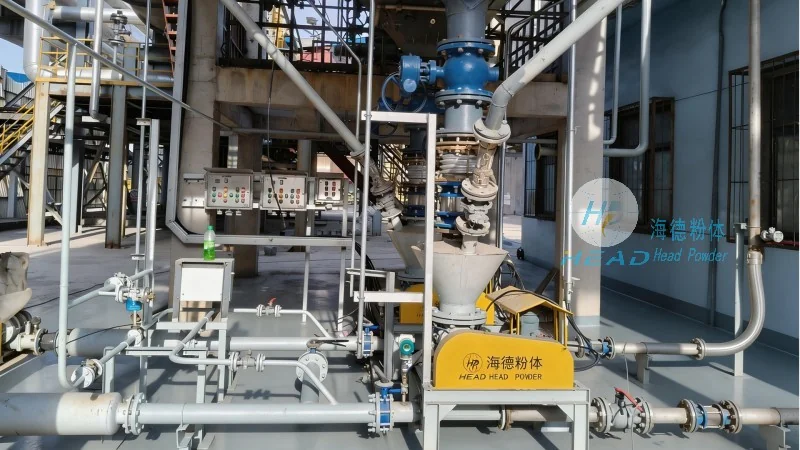
Application in the Food Processing Industry
In the context of the food processing industry, the monosodium glutamate pneumatic conveying system is essential for maintaining the quality and consistency of MSG products. By ensuring that the material is transported efficiently and without degradation, the system contributes to higher product yields and reduced waste. The technology also supports the automation of production processes, aligning with the industry's trend toward increased efficiency and reduced human error. Headpowder's expertise in engineering and manufacturing ensures that their systems are tailored to the unique needs of each client, providing reliable and cost-effective solutions for MSG handling.
Conclusion
Headpowder Engineering Co., Ltd., based in Shandong, China, provides comprehensive solutions for monosodium glutamate pneumatic conveying systems. Through careful attention to structural design, operational principles, and industry-specific requirements, their equipment ensures efficient, safe, and reliable material transport. As a trusted partner in the food processing sector, Headpowder continues to deliver high-quality systems that meet the evolving needs of the industry, supporting clients in achieving optimal performance and productivity.




