For industrial applications involving sodium hydroxide, a specialized pneumatic conveying system is often employed to ensure safe and efficient material handling. This system is designed to address the unique challenges posed by this highly caustic and hygroscopic chemical. Understanding the components and design principles of such a system is crucial for optimizing process efficiency and maintaining operational safety.
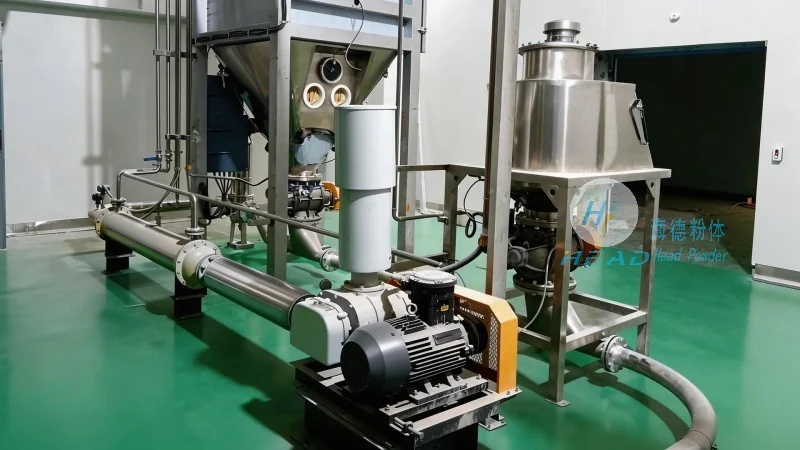
Introduction to Pneumatic Conveying Systems for Sodium Hydroxide
Sodium hydroxide, commonly known as caustic soda, is a widely used chemical in various industries, including manufacturing, paper production, and water treatment. Due to its strong alkaline properties and tendency to absorb moisture from the air, handling this material requires specialized equipment that can prevent contamination and ensure consistent performance. Pneumatic conveying systems offer a solution by transporting the material through a sealed pipeline using air or other gases, minimizing exposure to the environment and reducing the risk of accidents.
Key Characteristics of Sodium Hydroxide and Their Impact on System Design
Before delving into the design principles, it is essential to understand the key characteristics of sodium hydroxide that influence the selection and configuration of a pneumatic conveying system. First, its high reactivity with moisture and air means that the system must be fully enclosed to prevent contamination and maintain product quality. Second, the material's caustic nature requires corrosion-resistant materials for all components, such as pipes, valves, and pumps. Third, the hygroscopic nature of sodium hydroxide means that the system must be designed to minimize exposure to ambient humidity, as moisture can lead to caking or blockages in the pipeline. These factors collectively dictate the need for a robust, sealed system with appropriate material selection and control mechanisms.
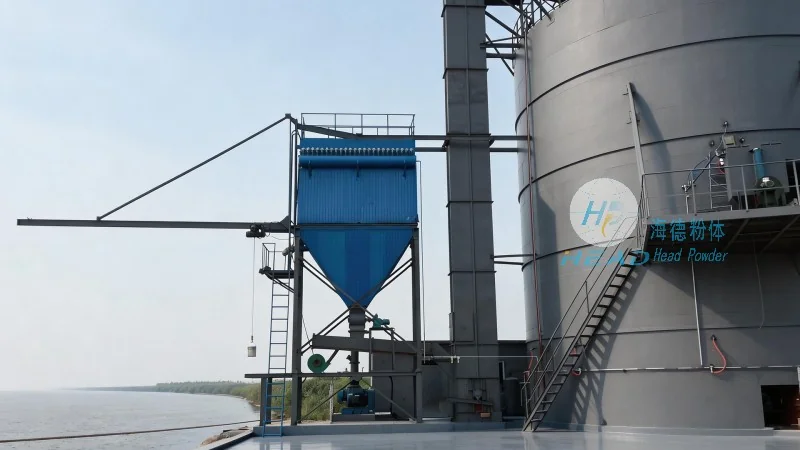
Components of a Sodium Hydroxide Pneumatic Conveying System
A typical sodium hydroxide pneumatic conveying system consists of several key components, each playing a critical role in the overall operation. The primary components include the material feed hopper, which holds the bulk sodium hydroxide and provides a controlled discharge mechanism; the air compressor or blower, which generates the necessary pressure to move the material through the pipeline; the conveying pipeline, which is typically made of corrosion-resistant materials like stainless steel or special alloys to withstand the chemical's effects; the separation and collection equipment, such as cyclones or filters, which separate the material from the air at the receiving end; and the control system, which monitors and regulates the flow of material and air to maintain optimal performance.
Working Principle of the Pneumatic Conveying System
The operation of a sodium hydroxide pneumatic conveying system is based on the principle of fluidization and suspension. The air compressor supplies compressed air into the conveying pipeline, creating a flow that lifts and transports the sodium hydroxide particles. The material is suspended in the air stream and carried to the destination. At the receiving end, the air and material are separated, and the material is collected in a storage tank or processing unit. The air is then filtered and recycled back to the system to improve efficiency and reduce energy consumption.
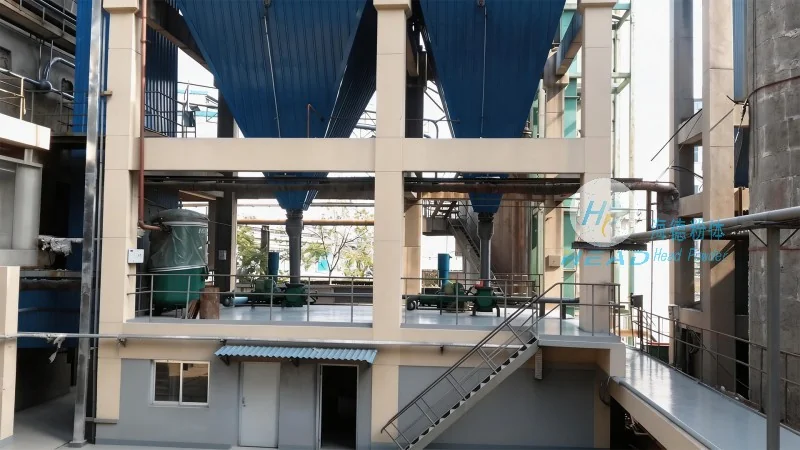
Design Principles and Considerations for Optimal Performance
The design of a sodium hydroxide pneumatic conveying system involves several critical principles and considerations to ensure reliable operation and long-term durability. One of the primary design principles is the selection of appropriate materials for all components. Since sodium hydroxide is highly corrosive, materials such as 316L stainless steel, Hastelloy, or specialized polymeric coatings are commonly used for pipes, valves, and other parts to prevent degradation and maintain system integrity. Another key principle is the consideration of the material's flow characteristics, including its bulk density, particle size distribution, and moisture content. These factors determine the required air velocity and pressure to achieve efficient conveying without causing excessive wear or blockages.
System design also takes into account the distance and elevation changes between the feed and receiving points. For longer distances or significant vertical lifts, higher air pressures and more powerful compressors may be required to maintain the material's suspension. Additionally, the system must be equipped with safety features to prevent overpressure, leaks, or other hazards. This includes pressure relief valves, leak detection systems, and emergency shut-off mechanisms to ensure the safety of personnel and equipment. Furthermore, the design should prioritize energy efficiency by optimizing air flow rates and minimizing pressure losses in the pipeline. This can be achieved through proper pipe sizing, minimizing bends and fittings, and using efficient air compressors.
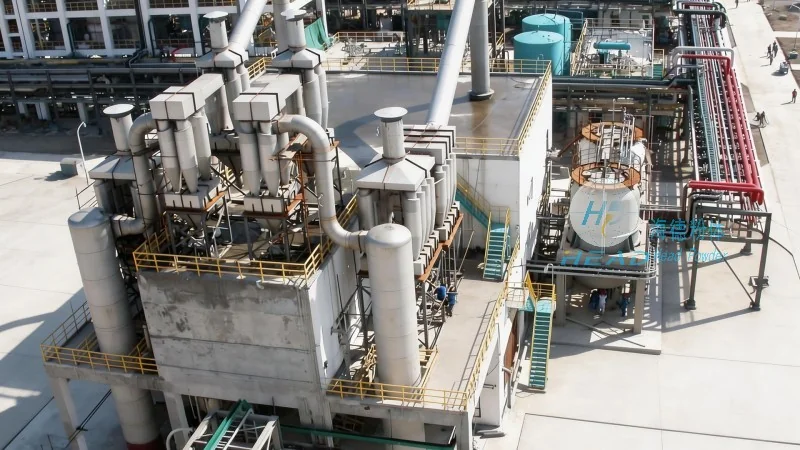
Application and Benefits of Sodium Hydroxide Pneumatic Conveying Systems
Sodium hydroxide pneumatic conveying systems are widely used in various industrial applications due to their advantages over traditional methods like belt conveyors or bucket elevators. The primary benefits include improved safety by eliminating direct human contact with the caustic material, reduced risk of contamination by maintaining a sealed system, and enhanced process control through precise flow regulation. Additionally, these systems can handle high volumes of material with minimal maintenance, as they have fewer moving parts compared to mechanical conveyors. The ability to transport sodium hydroxide in a dust-free environment also contributes to better workplace conditions and compliance with environmental regulations.
Conclusion and Company Overview
In conclusion, a sodium hydroxide pneumatic conveying system is a specialized and essential piece of equipment for industries handling this critical chemical. Its design, based on robust engineering principles and tailored to the unique properties of sodium hydroxide, ensures efficient, safe, and reliable material transport. Shandong HeadPowder Engineering Co., Ltd., a leading company in the field, specializes in the design, manufacturing, and installation of such systems. With its headquarters in Shandong, China, the company leverages years of experience and advanced technology to provide customized solutions that meet the specific needs of clients in various industries. By adhering to rigorous quality standards and safety protocols, HeadPowder ensures that its pneumatic conveying systems deliver optimal performance and contribute to the overall success of industrial operations.




