Bulk bag unloading and powder material conveying systems are critical components in industrial processing, particularly for handling bulk materials efficiently. These systems are designed to facilitate the transfer of powders and granules from bulk bags into processing equipment, storage tanks, or other containers. The technology behind these systems combines mechanical engineering principles with material handling expertise to ensure safe, reliable, and efficient material transfer. In this comprehensive overview, we will explore the key components, operational principles, and structural design of bulk bag unloading systems, with a focus on the engineering solutions provided by Shandong HeadPowder Engineering Co., Ltd.
Core Components of Bulk Bag Unloading Systems
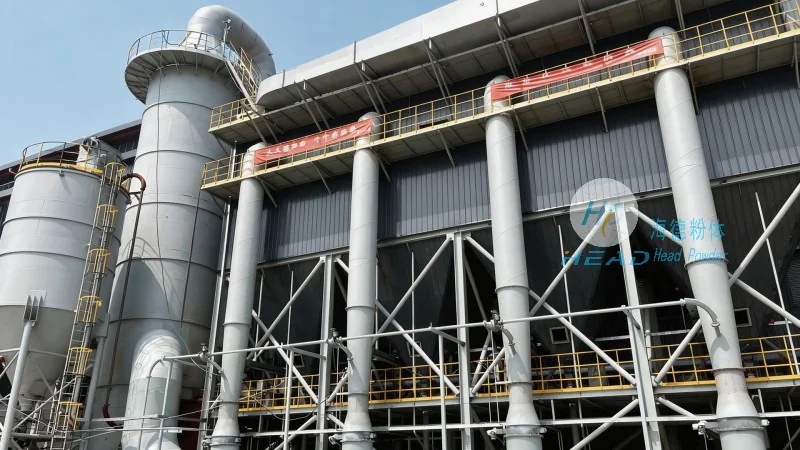
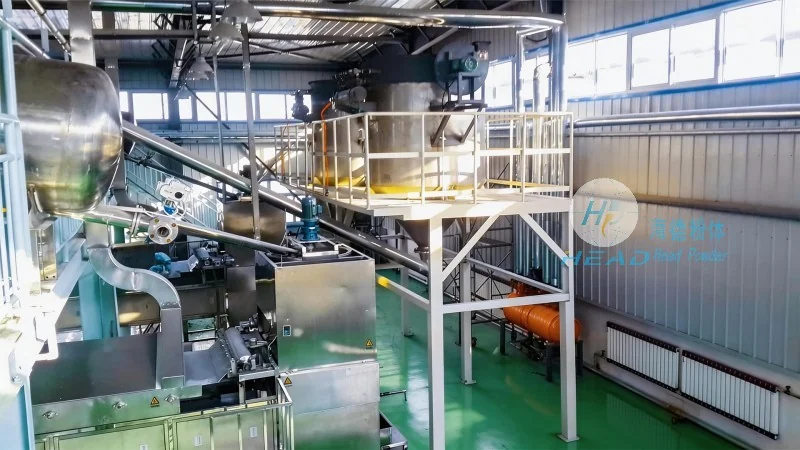
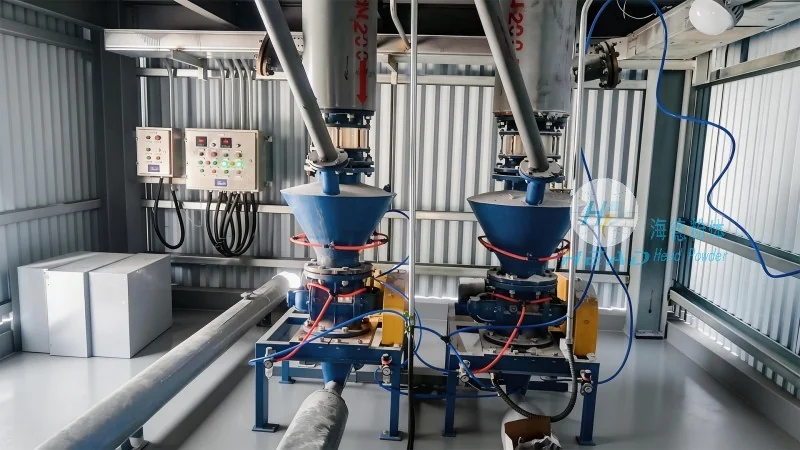
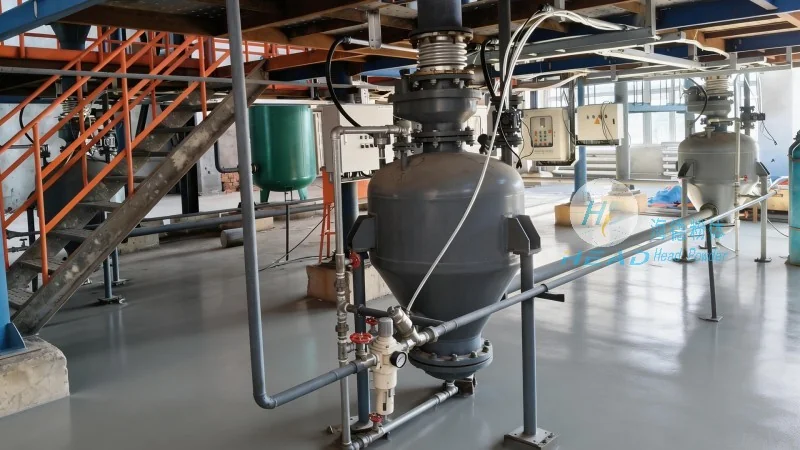
The foundation of any effective bulk bag unloading system lies in its integrated components, each playing a vital role in the material transfer process. The primary elements include the bulk bag itself, which is typically made of durable fabric and designed to hold large quantities of material; a discharge mechanism, such as a spout or valve, that allows controlled release of the contents; a support frame or stand that secures the bag during unloading; and a conveying system, such as a screw conveyor, pneumatic conveyor, or bucket elevator, that transports the material to its destination. Each component must be carefully engineered to withstand the mechanical stresses of material handling and to maintain the integrity of the bulk material throughout the process. The bulk bag, often referred to as a flexible intermediate bulk container (FIBC), is constructed from high-strength materials like polypropylene or nylon, with reinforced seams and a top spout for material discharge. The discharge mechanism may include a gate valve, rotary valve, or manual spout, which can be adjusted to control the flow rate and minimize dust generation. The support frame is typically made from steel or aluminum, providing stability and preventing bag collapse during unloading. The conveying system is chosen based on the material’s properties, such as particle size, moisture content, and flowability, ensuring optimal performance and efficiency.
Structural Design and Operational Principles
The structural design of bulk bag unloading systems is tailored to balance functionality, durability, and safety. The support frame is engineered to distribute the weight of the bag evenly, preventing deformation and ensuring stable operation. The discharge mechanism is often equipped with features like a dust collection system or airlock to suppress dust and maintain a clean working environment. The conveying system is designed to handle the specific characteristics of the powder, such as free-flowing or cohesive properties, by selecting the appropriate type of conveyor. For example, a screw conveyor is suitable for free-flowing powders, while a pneumatic conveyor is ideal for fine or dusty materials that require dust suppression. The operational principles of these systems involve the controlled release of material from the bulk bag, followed by the transport of the material through the conveying system to the target location. Automation features, such as sensors and control panels, can enhance the system’s efficiency by monitoring flow rates and adjusting parameters in real-time. This ensures consistent material transfer and reduces the risk of overfilling or underfilling.




