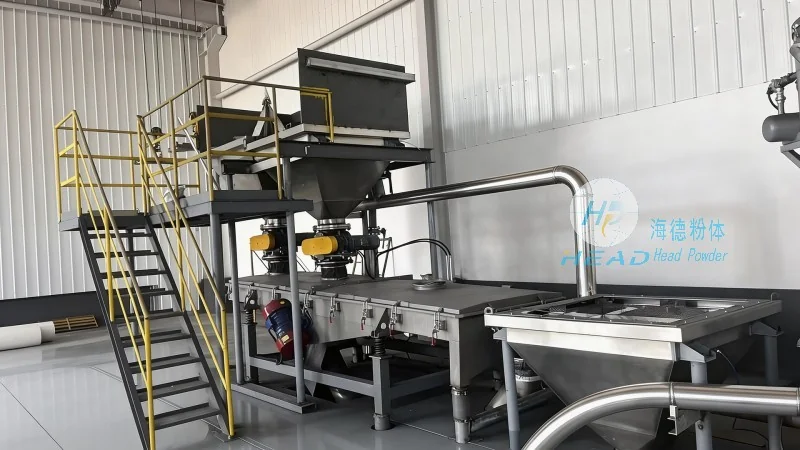
HeadPowder, a leading engineering firm based in Shandong, China, specializes in providing comprehensive pneumatic conveying solutions tailored for flour powder applications. With a deep understanding of the unique challenges associated with handling fine, light, and often sticky powders like flour, our team of experts has developed a robust design and calculation methodology to ensure efficient, reliable, and cost-effective material transport. This article delves into the key aspects of our approach, covering design calculations and equipment selection to help clients optimize their flour powder handling systems.
Importance of Accurate Design Calculations in Pneumatic Conveying
When it comes to pneumatic conveying of flour powder, precise design calculations are non-negotiable. The success of any conveying system hinges on the ability to accurately predict flow rates, pressure drops, and energy consumption, all of which directly impact operational efficiency and long-term costs. Our engineers employ advanced computational fluid dynamics (CFD) and empirical formulas to model the behavior of flour particles in the conveying pipeline. By analyzing factors such as particle size distribution, moisture content, and bulk density, we can determine the optimal air velocity, pressure, and pipeline configuration. This meticulous approach ensures that the system operates within safe and efficient parameters, minimizing the risk of blockages, material degradation, or excessive energy use.
Key Factors in Equipment Selection for Flour Powder Conveying
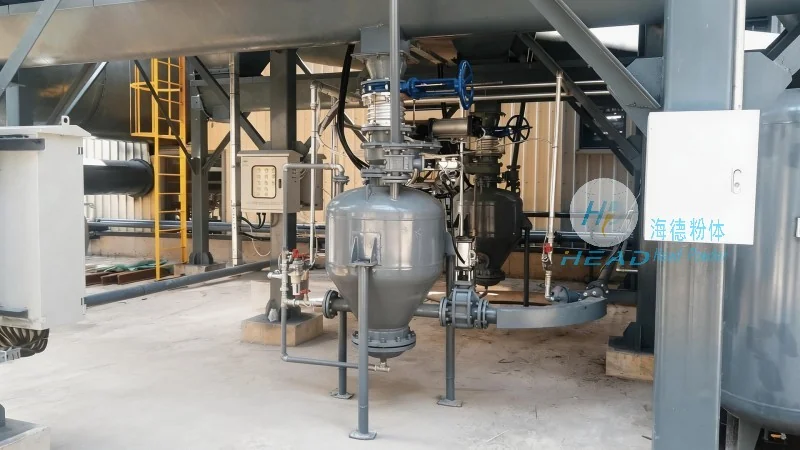
Choosing the right equipment is as critical as the design calculations themselves. For flour powder applications, several factors must be considered to achieve optimal performance. First, the type of pneumatic conveying system—whether it's a dilute-phase or dense-phase system—depends on the specific material characteristics and transport distance. Dilute-phase systems, which use high air velocities to keep particles suspended, are ideal for short to medium distances and low to moderate flow rates. Dense-phase systems, on the other hand, use lower air velocities and higher pressure to move material in a slurry-like state, making them suitable for longer distances and higher flow rates. At HeadPowder, we evaluate these options based on client requirements, including the desired conveying capacity, distance, and budget constraints.
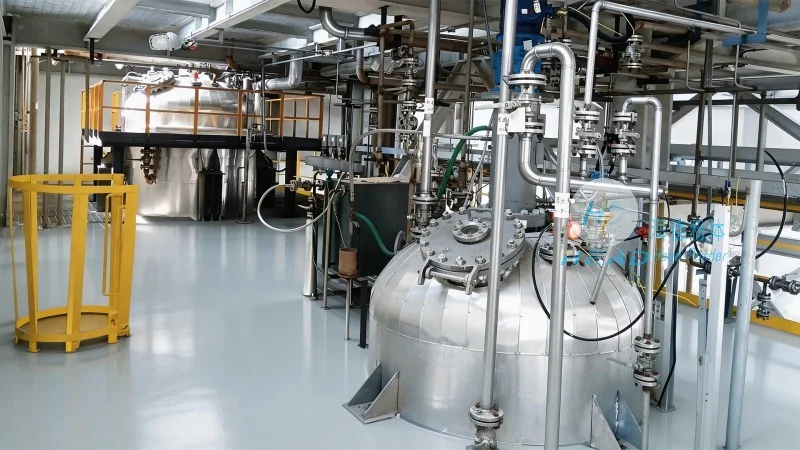
Second, the selection of components such as blowers, filters, and material handling equipment is crucial. High-quality, low-noise blowers with sufficient pressure and flow capacity are essential to maintain consistent air flow. Efficient dust filters are necessary to prevent contamination and ensure compliance with environmental regulations. Additionally, material handling equipment like hoppers and cyclones must be designed to handle flour powder's specific properties, such as its tendency to stick or agglomerate. Our team works closely with clients to select equipment from reputable manufacturers, ensuring compatibility and longevity.
Case Study: Optimizing a Flour Mill's Conveying System
To illustrate the effectiveness of our design approach, consider a case study of a large flour mill in Shandong, China. The mill was experiencing frequent blockages and energy inefficiencies in its existing pneumatic conveying system, leading to production delays and increased operational costs. By conducting a thorough analysis of their current system and material characteristics, our engineers developed a new design that incorporated a dense-phase conveying system with optimized pipeline dimensions and a high-efficiency blower. The result was a significant reduction in blockages, improved material flow consistency, and a 20% decrease in energy consumption. This case study highlights the importance of tailored design calculations and equipment selection in achieving optimal performance for flour powder applications.
Conclusion and Contact Information
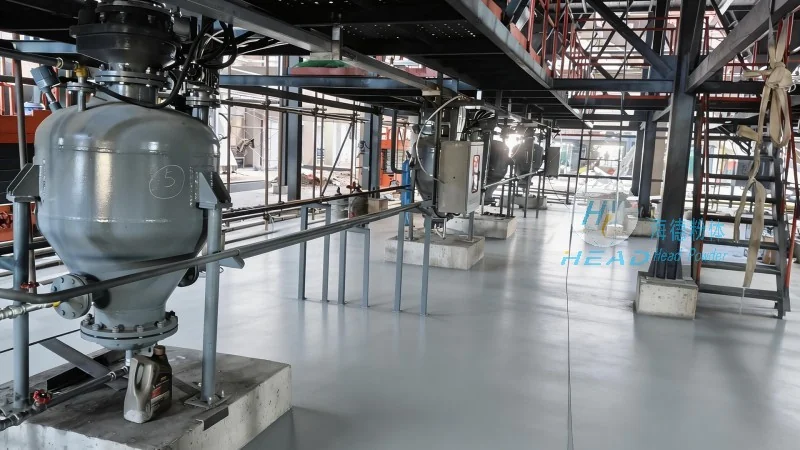
HeadPowder Engineering Co., Ltd. remains committed to delivering innovative and reliable pneumatic conveying solutions for flour powder and other fine materials. Our expertise in design calculations and equipment selection ensures that clients receive systems that are not only efficient but also durable and cost-effective. With our headquarters in Shandong, China, we serve clients globally, providing tailored solutions that meet their unique operational needs. For more information about our pneumatic conveying solutions, please contact us at our Shandong office.




