Shandong HeadPowder Engineering Co., Ltd., commonly known as headpowder, is a professional engineering company based in Shandong, China. With a focus on innovative solutions for material handling, the company specializes in the design, calculation, and selection of equipment for air-driven transport systems, particularly for straw powder and similar bulk materials.
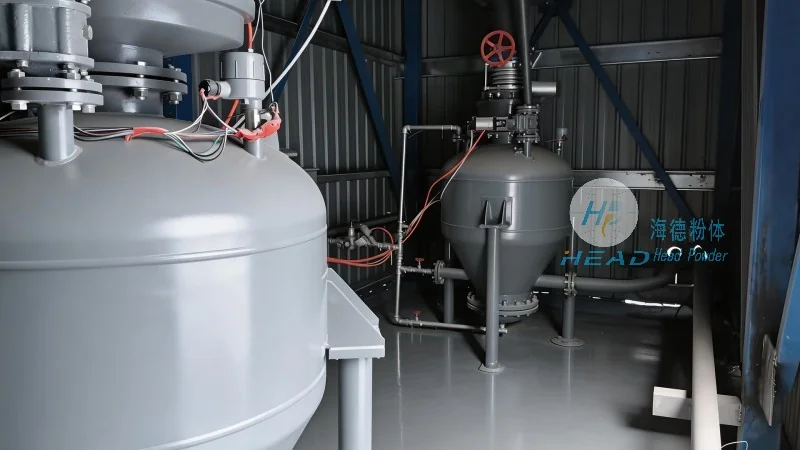
Importance of Air-Driven Transport for Straw Powder
Straw powder, derived from agricultural residues, is a valuable resource in the production of biofuels, animal feed, and other industrial applications. Efficient and reliable transport of this material is crucial for optimizing production processes and reducing operational costs. Air-driven (pneumatic) transport systems offer a flexible and effective solution for moving straw powder over short to medium distances, ensuring minimal material degradation and low maintenance requirements.
Key Design Calculations for Air-Driven Transport
The successful implementation of an air-driven transport system for straw powder requires a systematic approach to design calculations. These calculations are essential for determining the appropriate air velocity, pressure, and equipment dimensions to ensure optimal material flow and system efficiency. The primary factors considered in the design process include material properties (such as particle size, density, and moisture content), transport distance, and desired material throughput.
First, the material's bulk density and particle size distribution are analyzed to determine the appropriate air velocity for conveying. Typically, air velocities of 15 to 25 meters per second are used for fine powders like straw powder, balancing the need to prevent material deposition with the efficiency of air usage. The pressure drop across the system is calculated using empirical formulas or computational fluid dynamics (CFD) simulations to ensure that the air compressor can provide sufficient pressure to overcome resistance from bends, fittings, and the conveying line.
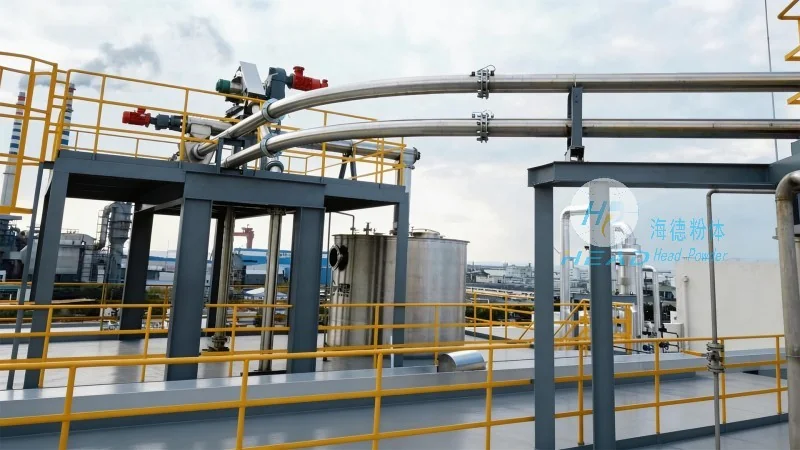
Next, the required air volume and pressure are determined based on the material's flow rate and the system's pressure drop. The air compressor's capacity is matched to the system's demand, considering factors like system losses and safety margins. The conveying line diameter is selected to minimize pressure drop while maintaining sufficient velocity to prevent material settling. Additionally, the design includes considerations for dust collection and filtration to comply with environmental regulations and maintain system cleanliness.
Equipment Selection for Straw Powder Air-Driven Transport
Choosing the right equipment for an air-driven transport system is critical to ensure reliable operation and long-term performance. The selection process involves evaluating various components, including the air compressor, conveying line, material feeders, and dust collection systems. Each component must be matched to the specific requirements of the straw powder being transported.
The air compressor is the heart of the system, responsible for generating the necessary air pressure and volume. For straw powder applications, positive displacement compressors, such as rotary lobe or screw compressors, are commonly used due to their ability to provide consistent pressure and volume at moderate speeds. These compressors are chosen based on the required pressure (usually 0.5 to 1.5 bar above atmospheric pressure) and air flow rate (typically 0.5 to 5 cubic meters per minute for small to medium systems).
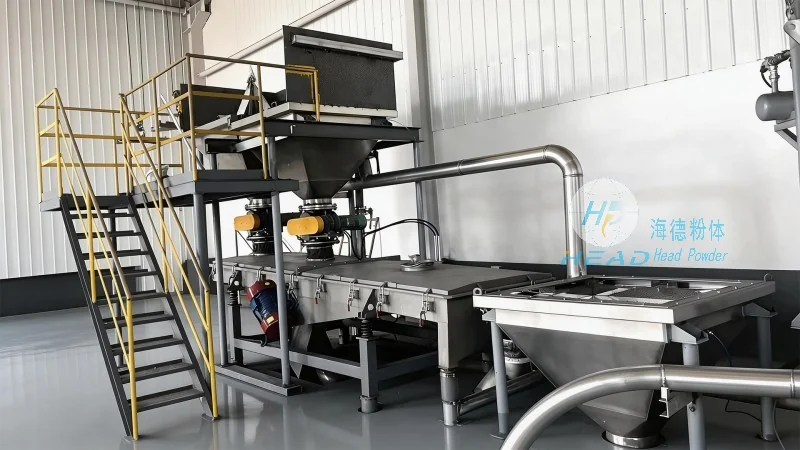
The conveying line is another critical component, with options including flexible hoses and rigid pipes. Flexible hoses are preferred for applications requiring flexibility, such as moving straw powder between different processing units, while rigid pipes are used for longer, straight-line conveyance. The line diameter is selected based on the air velocity and material flow rate, with common sizes ranging from 50 to 150 millimeters for straw powder systems.
Material feeders are used to introduce straw powder into the conveying line at a controlled rate. Screw feeders and rotary valves are commonly used for this purpose, as they can handle fine powders without causing blockages or excessive wear. The feeder's capacity is matched to the system's throughput, ensuring a consistent material flow that prevents surges or backflow.
Dust collection and filtration systems are essential for maintaining air quality and complying with environmental regulations. Cartridge filters or bag filters are typically used to capture fine particles from the exhaust air, with the filter size and capacity determined based on the system's air flow rate and the material's dust content.
System Optimization and Maintenance
Once the air-driven transport system is installed, ongoing optimization and maintenance are necessary to ensure continued efficiency and reliability. Regular monitoring of air pressure, flow rate, and material throughput helps identify potential issues before they lead to system failures. Cleaning of the conveying line and filters is performed at scheduled intervals to prevent clogging and maintain system performance.
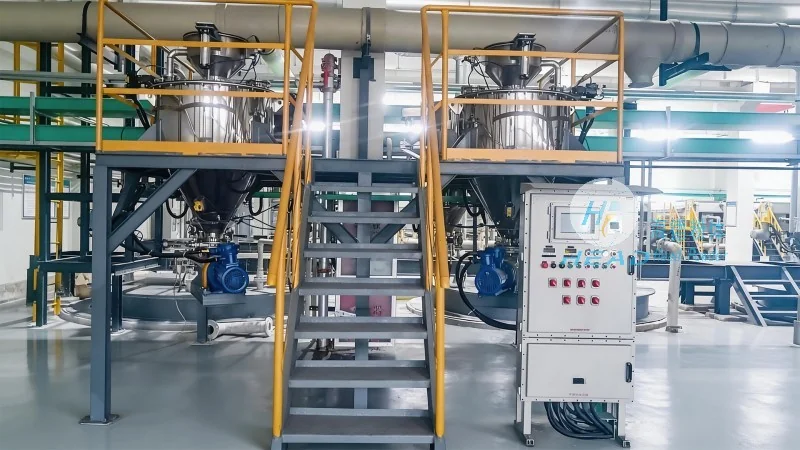
Adjustments to the air velocity or pressure may be required based on changes in material properties or system conditions. For example, if the straw powder becomes more humid or contains larger particles, the air velocity may need to be increased to prevent deposition. Similarly, if the system experiences increased pressure drop, the air compressor may need to be upgraded or the line cleaned to restore optimal performance.
The use of advanced monitoring systems, such as pressure sensors and flow meters, can help in real-time optimization of the transport process. These systems provide data on system performance, allowing for quick adjustments and reducing downtime. Proper maintenance, including regular inspection of components and replacement of worn parts, extends the lifespan of the equipment and minimizes operational costs.
Conclusion
Designing and selecting the appropriate equipment for air-driven transport of straw powder is a complex but essential process. By carefully considering material properties, system requirements, and operational constraints, engineers can develop a reliable and efficient transport system that meets the needs of agricultural and industrial applications. Shandong HeadPowder Engineering Co., Ltd. provides comprehensive engineering solutions, including design calculations and equipment selection, to help clients optimize their straw powder handling processes and improve overall productivity.




