Stearic acid sodium, a widely used chemical additive in various industrial applications, requires efficient and reliable material handling systems for its transportation. Pneumatic conveying technology offers a viable solution for handling such powders, ensuring minimal product degradation and optimal process efficiency. This article provides a comprehensive overview of the design calculation methodologies and equipment selection criteria for stearic acid sodium pneumatic conveying systems, tailored to meet the specific requirements of industrial operations.
Design Calculation Fundamentals for Pneumatic Conveying Systems
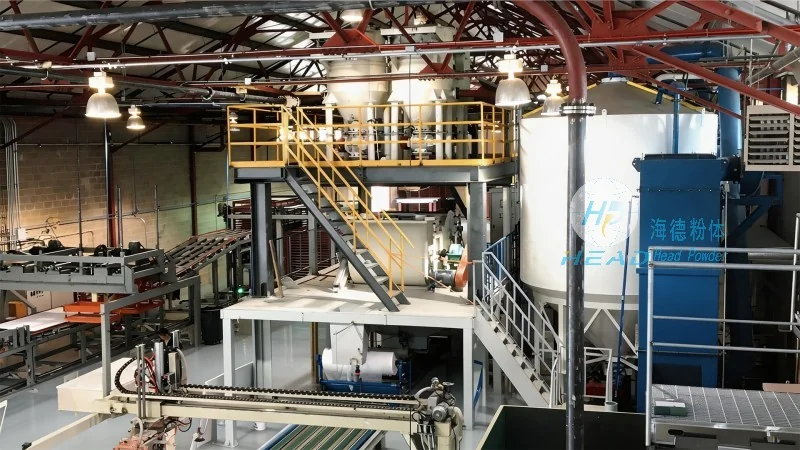
The design of a pneumatic conveying system for stearic acid sodium involves several critical calculations to ensure system performance and reliability. Key parameters such as air velocity, pressure drop, and material flow rate must be accurately determined to prevent system inefficiencies or equipment damage. The first step in the design process is to assess the material's physical properties, including particle size distribution, bulk density, and flowability. These properties are crucial for selecting the appropriate conveying method—either dense phase or dilute phase—and determining the required air velocity to maintain stable flow.
For stearic acid sodium, which typically has a bulk density ranging from 0.5 to 0.8 g/cm³ and particle sizes between 10 to 200 microns, dense phase conveying is often preferred to minimize particle attrition and maintain product quality. The design calculation involves determining the minimum air velocity required to overcome the material's static and dynamic friction, as well as the pressure drop across the conveying line. The pressure drop is calculated using empirical formulas based on the material's properties and the system's configuration, such as the number of bends, fittings, and vertical sections. Accurate calculation of these parameters is essential to ensure the system operates within safe and efficient limits, avoiding excessive energy consumption or system failure.
Equipment Selection for Stearic Acid Sodium Pneumatic Conveying
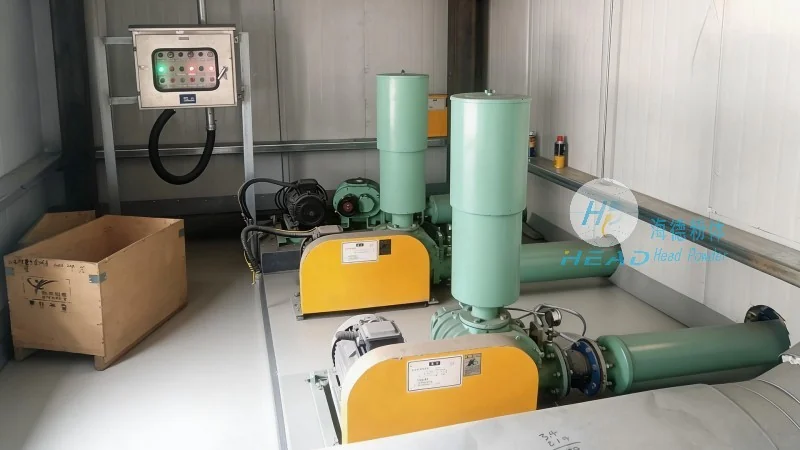
Choosing the right equipment for stearic acid sodium pneumatic conveying is critical to achieving optimal performance and longevity. The primary components of a pneumatic conveying system include the material feed hopper, air supply system, conveying line, and discharge unit. For stearic acid sodium, which is a fine powder prone to caking or bridging, the feed hopper must be designed with anti-caking features, such as vibrators or agitators, to ensure smooth material flow. The air supply system typically consists of a blower or compressor, with the selection based on the required air volume and pressure. For dense phase conveying, a positive displacement blower is often preferred due to its ability to maintain consistent pressure and flow rates.
The conveying line is another critical component, as it must be constructed from materials resistant to the chemical properties of stearic acid sodium. Stainless steel or PTFE-lined pipes are commonly used to prevent corrosion and material degradation. The line's diameter and length are determined based on the air velocity and pressure drop calculations, ensuring that the system can handle the required material flow without excessive energy consumption. The discharge unit, such as a rotary valve or a dust collector, must be designed to handle fine powders and prevent product loss or contamination. Additionally, the system may include accessories like filters, cyclones, or dust collectors to ensure proper air filtration and compliance with environmental regulations.
Case Study: HeadPowder's Pneumatic Conveying Solution for Stearic Acid Sodium
Shandong HeadPowder Engineering Co., Ltd., a leading provider of industrial material handling solutions, specializes in designing and manufacturing customized pneumatic conveying systems for various chemical applications, including stearic acid sodium. With a strong focus on precision engineering and customer-centric solutions, HeadPowder has successfully implemented numerous projects for clients in the chemical and pharmaceutical industries. One such project involved the design of a dense phase pneumatic conveying system for a client in China, where stearic acid sodium needed to be transported from a storage silo to a processing unit over a distance of 50 meters. The system was designed using the methodologies outlined above, with careful consideration of the material's physical properties and the client's operational requirements.
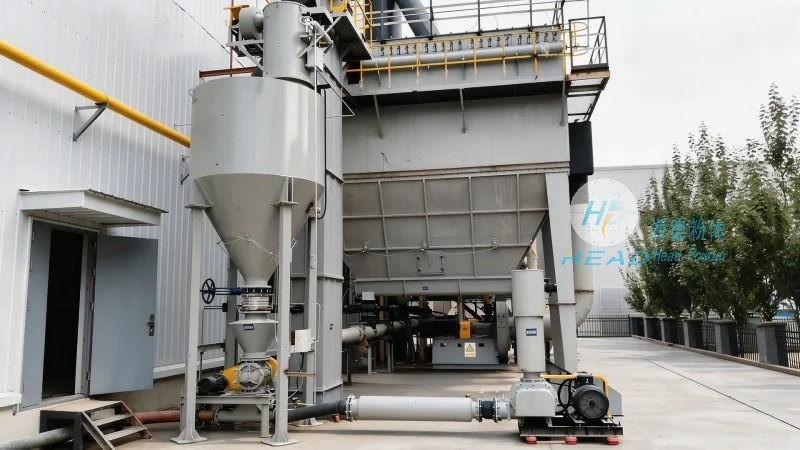
The system, equipped with a positive displacement blower, stainless steel conveying lines, and anti-caking feed hopper, achieved a material flow rate of 2 tons per hour with minimal pressure drop. The design calculations ensured that the air velocity was maintained at a level that prevented particle attrition and maintained product quality. The client reported significant improvements in operational efficiency, reduced downtime, and lower energy consumption compared to traditional conveying methods. This case study highlights the effectiveness of HeadPowder's approach to pneumatic conveying system design and equipment selection, demonstrating the company's expertise in delivering tailored solutions for challenging material handling applications.
Conclusion and Recommendations
In conclusion, the design calculation and equipment selection for stearic acid sodium pneumatic conveying systems require a thorough understanding of the material's properties and the system's operational requirements. By following the methodologies outlined in this article, industrial facilities can ensure the efficient and reliable transportation of stearic acid sodium, minimizing product degradation and maximizing process efficiency. For companies seeking customized pneumatic conveying solutions, Shandong HeadPowder Engineering Co., Ltd. offers expert design and manufacturing services, backed by years of experience in the industry. With a commitment to quality and customer satisfaction, HeadPowder is well-positioned to provide the right solution for any stearic acid sodium pneumatic conveying project.




