Polystyrene, a widely used thermoplastic polymer, often requires efficient material handling solutions for industrial applications. Pneumatic conveying systems offer a reliable method for transporting polymeric materials like polystyrene, ensuring safety, cleanliness, and operational efficiency. This article explores the design calculations and equipment selection process for polystyrene pneumatic conveying systems, highlighting key considerations and best practices to optimize performance.
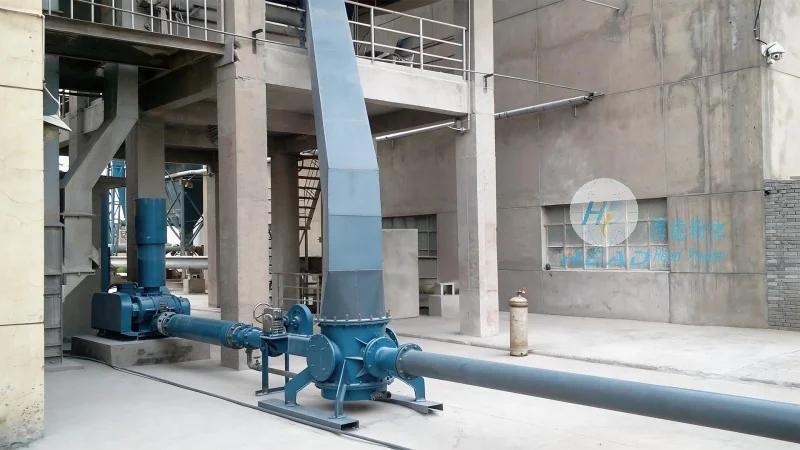
Company Introduction: HeadPowder Engineering
Shandong HeadPowder Engineering Co., Ltd., commonly known as HeadPowder, is a leading engineering firm specializing in the design and implementation of pneumatic conveying systems. With a strong presence in China, particularly in Shandong province, HeadPowder has built a reputation for delivering tailored solutions that meet the unique demands of industrial clients. The company's expertise lies in understanding the material properties of various polymers, including polystyrene, and translating this knowledge into effective conveying systems that enhance productivity and reduce operational costs.
Understanding Polystyrene Pneumatic Conveying
Polystyrene, known for its lightweight and versatile properties, presents specific challenges in pneumatic conveying due to its low bulk density and potential for static electricity. Effective design of a polystyrene conveying system requires careful consideration of material characteristics, such as particle size distribution, moisture content, and flowability. These factors directly impact the selection of conveying velocity, pressure, and equipment type to ensure smooth and reliable material transport. A well-designed system minimizes product degradation, prevents blockages, and maintains consistent flow rates, which are critical for maintaining production efficiency.
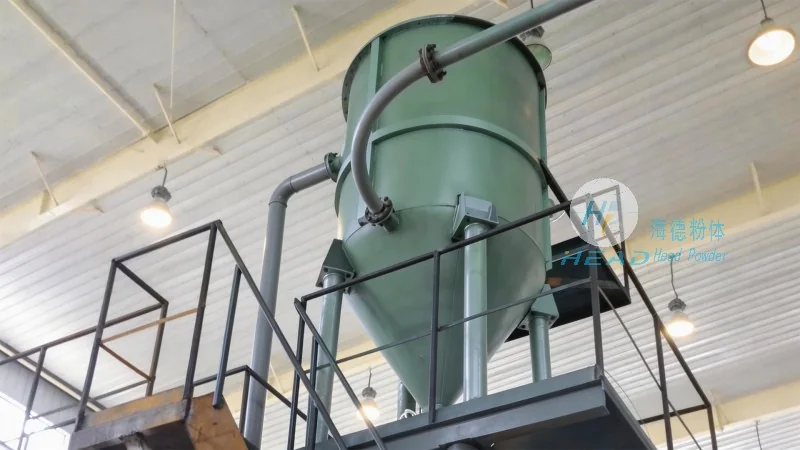
Key Design Calculations for Polystyrene Conveying
The success of a polystyrene pneumatic conveying system hinges on accurate design calculations that account for the material's physical properties and operational requirements. Key calculations include determining the required conveying velocity, which is influenced by the particle size, density, and air flow rate. The velocity must be sufficient to overcome gravitational forces and frictional losses while avoiding excessive pressure drops that could lead to system inefficiencies. Additionally, pressure drop calculations are essential to ensure the system operates within the capabilities of the air compressor and to optimize energy consumption. These calculations also consider the effect of temperature and humidity on polystyrene's flow characteristics, as environmental factors can significantly impact material behavior during transport.
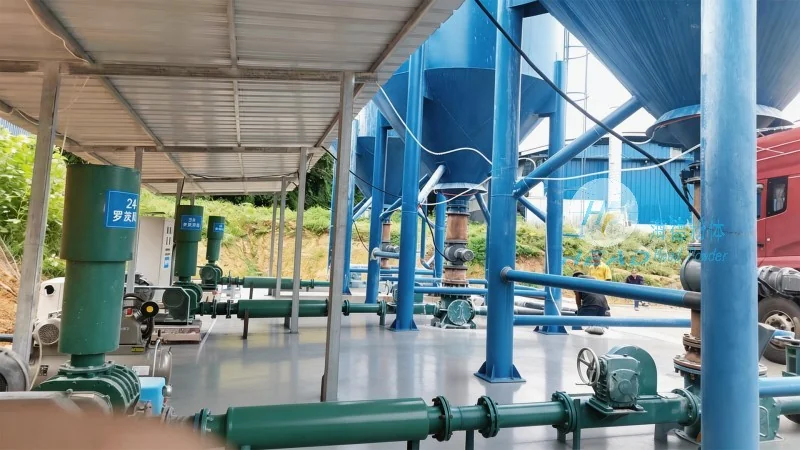
Equipment Selection for Polystyrene Pneumatic Conveying
Choosing the right equipment for polystyrene pneumatic conveying is a critical step in system design. HeadPowder considers several factors when selecting components, including the type of conveying system (e.g., pressure or vacuum), the material's handling requirements, and the desired system capacity. For polystyrene, which is often lightweight and prone to static, equipment such as rotary air locks, cyclone separators, and dust collectors is essential to prevent product loss and maintain system cleanliness. The selection of air compressors, hose or pipe materials, and control valves also plays a vital role in ensuring the system operates efficiently and reliably. HeadPowder's engineers evaluate the specific needs of each client, taking into account factors like the distance of material transport, the volume of polystyrene to be conveyed, and the required flow rate to recommend the most suitable equipment configuration.
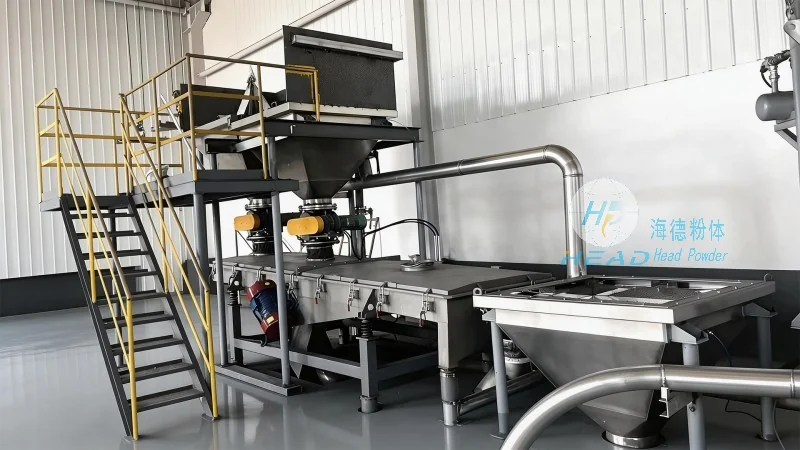
Implementation and Optimization of Polystyrene Conveying Systems
After the design and equipment selection phases, the successful implementation of a polystyrene pneumatic conveying system requires careful installation and optimization. HeadPowder's team of experts ensures that all components are properly integrated and aligned to achieve the desired performance. During the commissioning phase, system performance is monitored to verify that the design calculations are accurate and that the equipment operates within the specified parameters. Optimization may involve adjusting air flow rates, modifying pipe diameters, or implementing additional filtration to address any issues that arise during operation. This iterative process ensures that the final system meets the client's operational goals, providing reliable material transport while minimizing downtime and maintenance costs.
Benefits of Professional Polystyrene Pneumatic Conveying Solutions
Investing in a professionally designed and implemented polystyrene pneumatic conveying system offers numerous benefits for industrial operations. By utilizing efficient material handling, companies can improve production throughput, reduce labor costs associated with manual handling, and enhance workplace safety by eliminating the need for manual transport of potentially hazardous materials. The clean and enclosed nature of pneumatic conveying systems also helps maintain product quality by preventing contamination and degradation. Furthermore, optimized system design reduces energy consumption and operational costs over the long term, providing a sustainable solution for material transport. HeadPowder's expertise in polystyrene conveying ensures that clients receive systems tailored to their specific needs, delivering reliable performance and long-term value.




