Lightweight aggregate pneumatic conveying systems are pivotal in modern material handling, providing efficient and flexible solutions for transporting materials such as lightweight aggregates. This article offers a comprehensive guide on the design calculations and equipment selection process for such systems, tailored to industries seeking reliable and cost-effective material transport solutions.
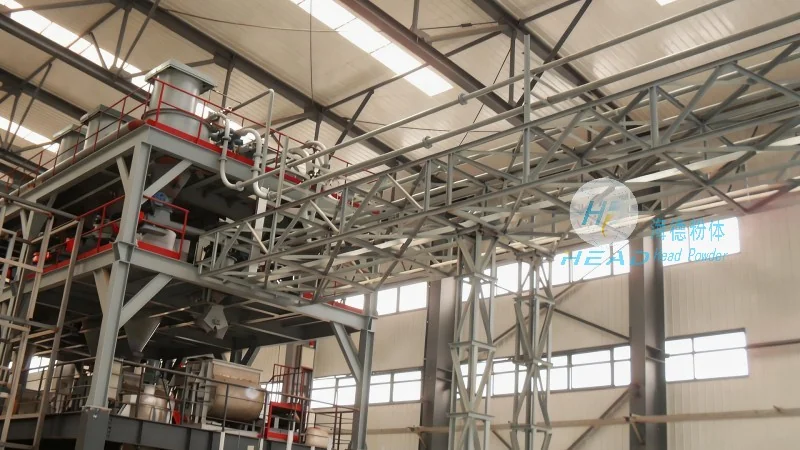
Introduction to Lightweight Aggregate Pneumatic Conveying
Lightweight aggregates, including expanded clay, perlite, and vermiculite, are widely utilized in construction, insulation, and other industrial sectors. The efficient transport of these materials is essential for maintaining production efficiency and reducing operational costs. Pneumatic conveying systems employ air to move bulk materials through a pipeline network, offering advantages over traditional methods like belt conveyors or trucks. This method is particularly suitable for handling lightweight, dusty, or abrasive materials, as it minimizes material degradation and reduces the risk of contamination. The ability to convey materials over long distances and through complex layouts makes pneumatic systems a preferred choice for many applications.
Key Design Considerations for Pneumatic Conveying Systems
The successful design of a lightweight aggregate pneumatic conveying system involves several critical factors. The first step is to accurately characterize the material properties, including bulk density, particle size distribution, and flow characteristics. These parameters directly influence the air velocity required for proper conveying, as well as the system's pressure drop and power consumption. Engineers must also evaluate the system's layout, considering the number of transfer points, vertical and horizontal distances, and the presence of bends or elbows. These elements affect the overall system performance and energy efficiency, as they contribute to the total pressure drop across the pipeline.
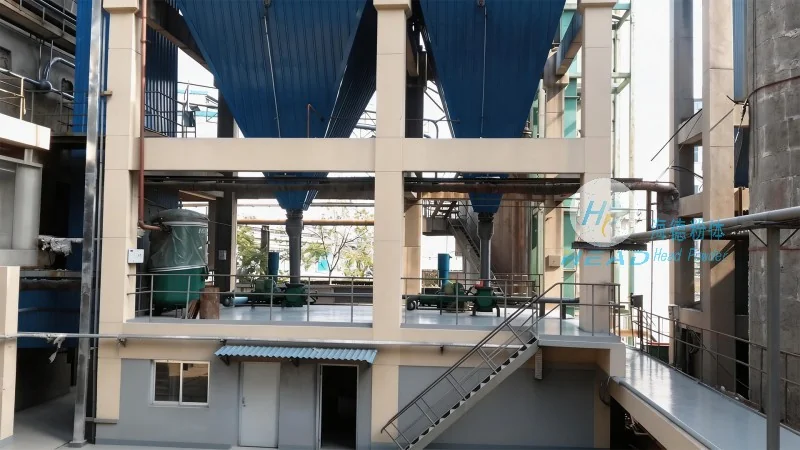
Calculation Methods for Air Velocity and Pressure Drop
Calculating the appropriate air velocity is fundamental to the system's design. The air velocity must be sufficient to overcome gravitational forces acting on the particles and to ensure that the material remains suspended in the air stream. Typically, air velocities range from 20 to 30 meters per second for fine powders, but for lightweight aggregates with larger particle sizes, velocities may need to be adjusted. The pressure drop across the system is another critical parameter, as it determines the required power and the overall system efficiency. The pressure drop can be calculated using empirical formulas, such as the Ergun equation, or through computational fluid dynamics (CFD) simulations. These methods help in optimizing the system design and minimizing energy losses, ensuring that the system operates within the desired performance range.
Equipment Selection for Pneumatic Conveying
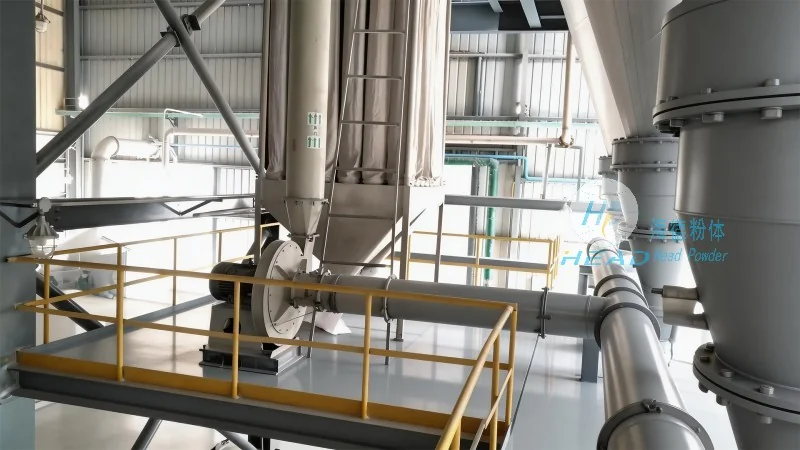
Choosing the right equipment is essential for the reliable operation of a pneumatic conveying system. The primary components include the air source (blowers or compressors), the conveying line (pipes and fittings), and the material handling equipment (feeders, cyclones, and receivers). For lightweight aggregates, the selection of these components must consider the material's characteristics and the system's operational requirements. For instance, the feeder must be capable of handling the material's flow properties without causing blockages or degradation. The cyclone separator is used to separate the material from the air stream, and its design must be optimized to achieve high separation efficiency while minimizing pressure drop. The receiver, where the material is collected, should be designed to prevent material spillage and ensure easy discharge. Additionally, the air source must provide the required air volume and pressure, with considerations for noise levels and energy efficiency.
System Integration and Optimization
Integrating the various components of a pneumatic conveying system requires careful planning and optimization. The system's layout should be designed to minimize the number of bends and the total length of the conveying line, as these factors directly impact the pressure drop and energy consumption. Engineers often use simulation tools to model the system's performance under different operating conditions, allowing for adjustments to be made before the system is installed. This approach helps in identifying potential bottlenecks and optimizing the system's efficiency, ensuring that it meets the required performance criteria. The integration of sensors and control systems can further enhance the system's performance, enabling real-time monitoring and adjustment of operating parameters.
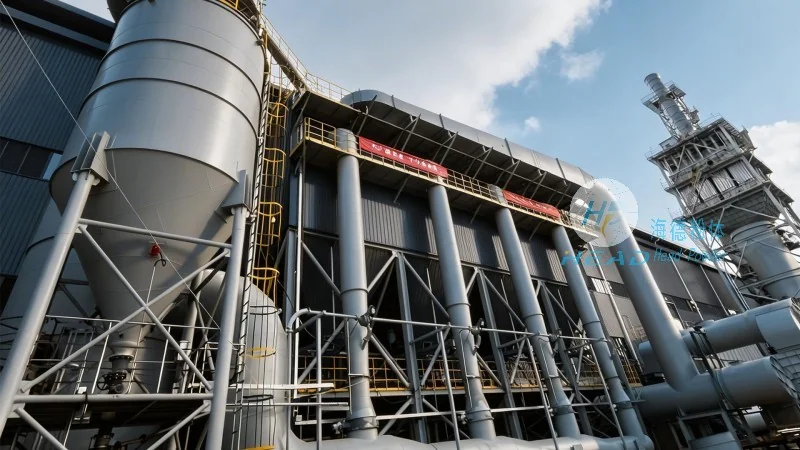
Case Study: Successful Implementation by Shandong HeadPowder Engineering Co., Ltd.
Shandong HeadPowder Engineering Co., Ltd., a leading provider of material handling solutions, has successfully implemented lightweight aggregate pneumatic conveying systems for various clients. By leveraging their expertise in system design and equipment selection, they have delivered systems that meet the specific needs of each project. For example, a client in the construction industry required a system to transport expanded clay aggregates over a distance of 100 meters with multiple transfer points. HeadPowder engineers conducted detailed calculations to determine the required air velocity and pressure drop, selected appropriate equipment, and optimized the system layout. The resulting system operated efficiently, with low energy consumption and high material throughput, demonstrating the effectiveness of their design approach. Another project involved the transport of perlite aggregates in an industrial plant, where HeadPowder designed a system that integrated with existing infrastructure, reducing installation time and costs.
Conclusion and Future Trends
Lightweight aggregate pneumatic conveying systems offer significant advantages in material handling, and the design and equipment selection process is crucial for their successful implementation. By considering the material properties, system layout, and operational requirements, engineers can design systems that are efficient, reliable, and cost-effective. As technology advances, there is a growing emphasis on energy-efficient and sustainable solutions, which may influence the design of future pneumatic conveying systems. However, the fundamental principles of system design remain unchanged, and the expertise of companies like Shandong HeadPowder Engineering Co., Ltd. will continue to play a vital role in the development and implementation of these systems. The continued focus on optimizing system performance and reducing environmental impact will drive innovation in the field of pneumatic conveying, ensuring that these systems remain a key component of modern material handling solutions.




