Shandong HeadPowder Engineering Co., Ltd., a professional engineering firm based in Shandong, China, specializes in the design, calculation, and selection of equipment for pneumatic conveying systems, particularly for polyvinyl alcohol (PVA) and its formaldehyde condensation products. The company's expertise lies in optimizing material handling processes for PVA-formaldehyde, ensuring efficient and reliable transportation of these materials in industrial applications.
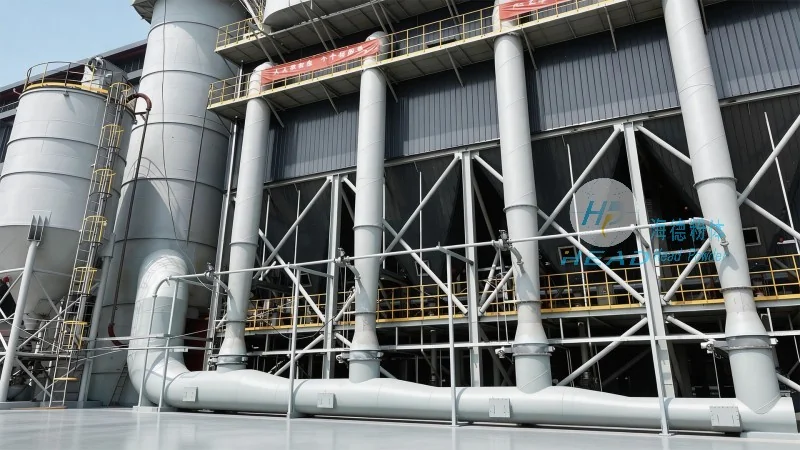
PVA-Formaldehyde Pneumatic Conveying System Overview
Polyvinyl alcohol (PVA) is a versatile polymer widely used in various industries due to its excellent film-forming, water solubility, and adhesive properties. When combined with formaldehyde through a condensation reaction, it forms PVA-formaldehyde, a material with enhanced stability and reduced hygroscopicity. The pneumatic conveying of PVA-formaldehyde presents unique challenges due to its fine particle size, hygroscopic nature, and potential for dust generation. A well-designed pneumatic conveying system is crucial to maintain material integrity, minimize loss, and ensure safe operation.
Key Design Considerations for PVA-Formaldehyde Conveying
When designing a pneumatic conveying system for PVA-formaldehyde, several critical factors must be considered to achieve optimal performance. First, the material's physical properties, such as particle size distribution, bulk density, and flowability, significantly impact the system's design. PVA-formaldehyde typically exists as fine powders or granules, requiring high-velocity air to ensure effective transport. The system must be capable of handling these fine particles without clogging or degradation. Second, the material's hygroscopic nature necessitates moisture control measures to prevent clumping and maintain consistent flow characteristics. Third, the system's pressure and velocity requirements must be carefully calculated to balance energy efficiency with material transport efficiency. These considerations are fundamental to preventing system failures and ensuring long-term reliability.
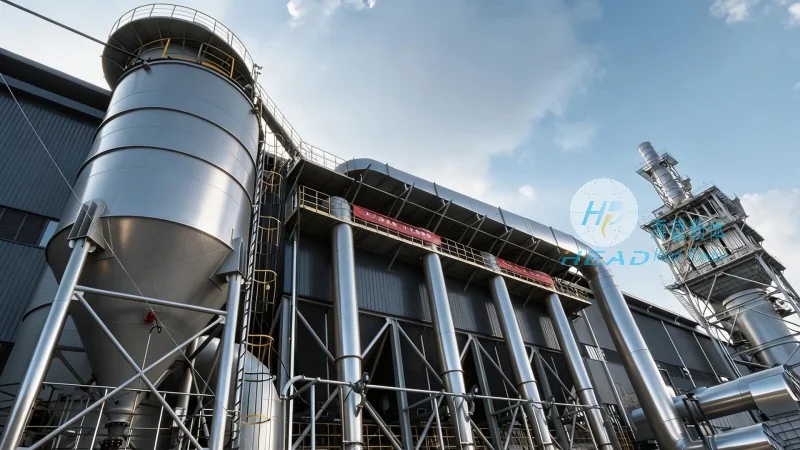
System Components and Equipment Selection
The selection of appropriate equipment is a critical step in the design of a PVA-formaldehyde pneumatic conveying system. Key components include the material feed system, air supply unit, conveying line, and material discharge equipment. The material feed system must be designed to handle the specific characteristics of PVA-formaldehyde, such as its fine particle size and potential for dust generation. This may involve using feeders with adjustable discharge rates and anti-dust features to maintain consistent material flow. The air supply unit, typically a blower or compressor, must provide sufficient pressure and volume to move the material through the conveying line. The choice of blower type (centrifugal or positive displacement) depends on the system's pressure and flow requirements. The conveying line itself must be constructed from materials resistant to the chemical properties of PVA-formaldehyde, such as stainless steel or specialized coatings, to prevent corrosion and material degradation. The material discharge equipment, such as rotary valves or airlocks, must be designed to handle fine powders and prevent backflow or material loss. Each component must be selected based on its compatibility with PVA-formaldehyde and its contribution to the overall system efficiency.
Calculation Methods for PVA-Formaldehyde Conveying Systems
Accurate calculation of the pneumatic conveying system parameters is essential for ensuring the system operates within optimal conditions. The primary calculations involve determining the required air velocity, pressure, and flow rate. The air velocity must be high enough to overcome the material's drag and prevent deposition in the conveying line. This is typically calculated using the "critical velocity" concept, which is the minimum air velocity required to keep the material suspended. The pressure drop across the system components, including the feed point, conveying line, and discharge equipment, must be considered to ensure the blower or compressor can provide sufficient pressure. The flow rate is determined by the material's bulk density and the desired throughput. These calculations are often performed using empirical formulas and software tools designed for pneumatic conveying systems. The results of these calculations guide the selection of equipment and the sizing of the system components to ensure efficient and reliable operation.
Installation and Maintenance Considerations
Proper installation and regular maintenance are crucial for the long-term performance of a PVA-formaldehyde pneumatic conveying system. Installation must follow the manufacturer's guidelines to ensure all components are correctly assembled and aligned. This includes proper sealing of joints to prevent air leakage and material loss. Regular maintenance involves monitoring system performance, cleaning components to remove accumulated material, and inspecting for signs of wear or corrosion. The material feed system and conveying line should be cleaned periodically to prevent clogging and maintain consistent flow. The air supply unit should be checked for proper operation and lubricated as needed. Regular maintenance helps to extend the system's lifespan, reduce downtime, and ensure consistent material transport efficiency. Proper maintenance also helps to prevent safety hazards, such as dust explosions, by ensuring the system operates within safe pressure and velocity limits.
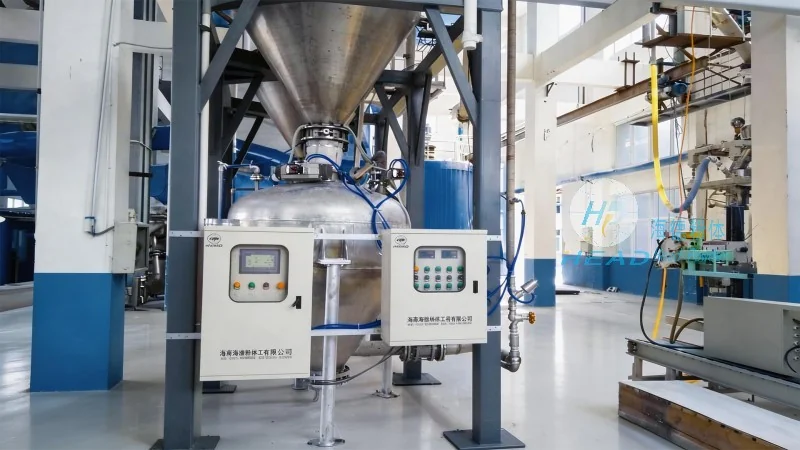
Case Studies and Application Examples
Shandong HeadPowder Engineering Co., Ltd. has successfully implemented PVA-formaldehyde pneumatic conveying systems in various industrial applications. For example, in a chemical manufacturing plant, the company designed a system to transport PVA-formaldehyde from storage silos to processing units. The system was designed to handle fine powders with a particle size of 10-50 microns and a bulk density of 0.5-0.7 g/cm³. The system used a centrifugal blower with a pressure of 0.8 bar and an air velocity of 20 m/s, achieving a throughput of 5 tons per hour. The system was equipped with anti-dust feeders and stainless steel conveying lines to prevent material degradation and corrosion. The plant reported a significant reduction in material loss and increased operational efficiency after the system was installed. Another application involved a PVA-formaldehyde processing facility that required a system to transport material from a mixing tank to a drying unit. The system was designed with a positive displacement blower to provide higher pressure for vertical conveying, and a rotary valve for material discharge. The system successfully handled the hygroscopic nature of the material, maintaining consistent flow and preventing clumping. These case studies demonstrate the effectiveness of well-designed PVA-formaldehyde pneumatic conveying systems in improving material handling efficiency and reducing operational costs.
Conclusion
Designing and selecting the appropriate equipment for PVA-formaldehyde pneumatic conveying systems requires a comprehensive understanding of the material's properties and the system's operational requirements. Shandong HeadPowder Engineering Co., Ltd. leverages its expertise in engineering and material handling to provide customized solutions that meet the specific needs of industrial applications. By considering key design factors, selecting compatible equipment, and performing accurate calculations, the company ensures that PVA-formaldehyde is transported efficiently, safely, and reliably. The successful implementation of these systems in various industries highlights the importance of professional engineering in optimizing material handling processes. As demand for PVA-formaldehyde continues to grow, the need for efficient and reliable pneumatic conveying systems will remain critical, and companies like Shandong HeadPowder Engineering Co., Ltd. will play a vital role in meeting these demands.




