When designing a fiber pneumatic conveying system, several critical factors must be considered to ensure efficient, reliable, and cost-effective operation. These considerations span from material properties and system layout to equipment selection and operational parameters. Understanding these elements is essential for optimizing the performance of the system and meeting the specific requirements of the application.
Material Characteristics and Handling Requirements
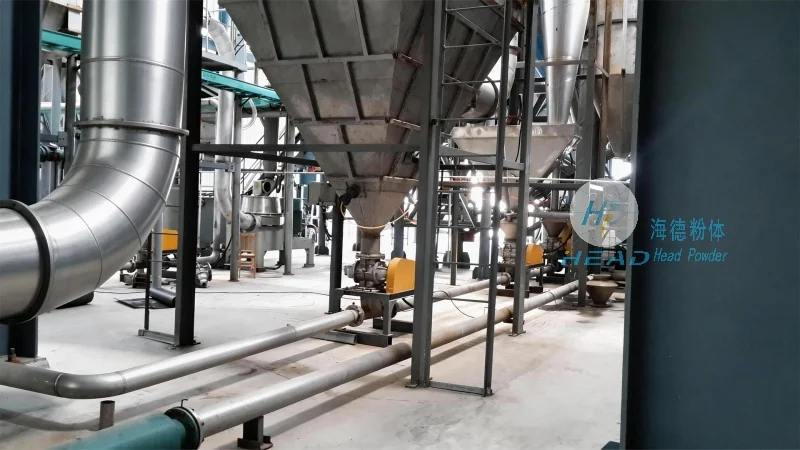
The first step in designing a fiber pneumatic conveying system involves a thorough analysis of the material to be conveyed. Fiber materials, such as wood chips, paper pulp, or textile fibers, often present unique challenges compared to traditional bulk materials. Key characteristics to evaluate include particle size distribution, moisture content, bulk density, and flowability. These properties directly impact the system's design, including the required air velocity, pressure, and equipment sizing. For instance, materials with high moisture content may require additional drying steps or specialized equipment to prevent clogging and ensure consistent flow. Similarly, varying particle sizes can necessitate the use of multiple conveying lines or the incorporation of screening and classification equipment to maintain system efficiency.
System Layout and Pressure Drop Management
The layout of the fiber pneumatic conveying system plays a pivotal role in its overall performance. A well-planned layout minimizes pressure drop, reduces energy consumption, and prevents material buildup or blockages. Key considerations include the placement of the hopper, the length and diameter of the conveying line, and the positioning of the receiver. The hopper design must accommodate the material's bulk density and flow characteristics, ensuring uniform feeding into the system. The conveying line diameter is critical; it must be large enough to prevent excessive pressure drop while small enough to maintain sufficient air velocity for proper material suspension. Additionally, the inclusion of bends, elbows, and other fittings should be minimized or carefully designed to reduce turbulence and pressure losses. Properly managing pressure drop is essential for maintaining the system's efficiency and preventing premature wear on components.
Equipment Selection and Component Integration
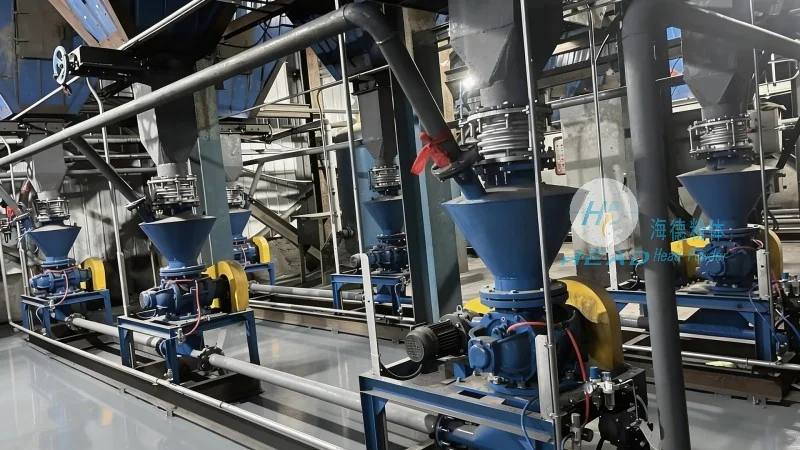
Choosing the right equipment is crucial for the successful operation of a fiber pneumatic conveying system. This includes selecting appropriate air compressors, material feeders, and separation devices. Air compressors must provide sufficient pressure and volume to handle the material's specific requirements, considering factors like the system's total pressure drop and the required air velocity. Material feeders, such as rotary valves or screw feeders, must be capable of handling fibrous materials without clogging or damaging the material. Separation devices, including cyclones or filters, are essential for removing entrained particles from the air stream, protecting downstream equipment and ensuring compliance with environmental regulations. The integration of these components must be seamless, with proper alignment and flow paths to avoid material accumulation or air leakage. Regular maintenance and monitoring of these components are also critical to ensure long-term system reliability.
Control Systems and Operational Optimization
Advanced control systems are vital for optimizing the performance of fiber pneumatic conveying systems. These systems allow for real-time monitoring of key parameters, such as pressure, flow rate, and material level, enabling operators to make adjustments promptly. Automated controls can adjust air pressure, feed rate, and other variables based on system conditions, improving efficiency and reducing energy consumption. Additionally, predictive maintenance features can help identify potential issues before they lead to system failures, minimizing downtime and maintenance costs. The integration of sensors and data logging capabilities provides valuable insights into system performance, allowing for continuous improvement and optimization over time. For example, monitoring the pressure drop across the conveying line can indicate the need for cleaning or maintenance, preventing blockages and ensuring consistent operation.
Environmental and Safety Considerations
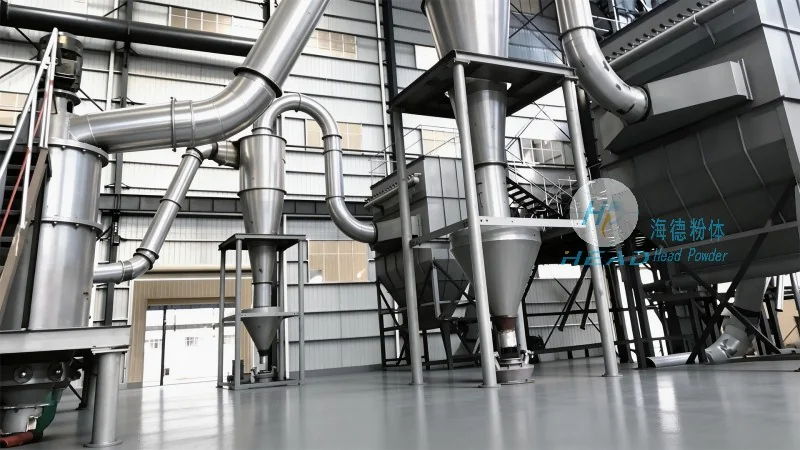
Designing a fiber pneumatic conveying system must also address environmental and safety concerns. Proper ventilation and dust control measures are essential to prevent the accumulation of airborne particles and ensure a safe working environment. The system should be equipped with filters and scrubbers to capture and treat any emissions, complying with local environmental regulations. Additionally, safety features, such as pressure relief valves and emergency shutdown systems, must be incorporated to protect personnel and equipment from potential hazards. The design should also consider the impact of the system on the surrounding environment, including noise reduction and material containment to prevent spills or leaks. By addressing these considerations, the system can operate safely and sustainably, meeting both regulatory and operational requirements.
Case Study: Successful Implementation by Shandong HeadPowder Engineering Co., Ltd.
Shandong HeadPowder Engineering Co., Ltd., a leading provider of pneumatic conveying solutions, has successfully implemented fiber pneumatic conveying systems for various industrial applications. One notable project involved the design and installation of a system for conveying wood chips in a pulp and paper mill. The system was engineered to handle high volumes of fibrous material while maintaining low pressure drop and energy consumption. The design incorporated advanced control systems and efficient equipment selection, resulting in improved operational efficiency and reduced maintenance costs for the client. Another project focused on textile fiber handling in a manufacturing facility, where the system was optimized to handle varying fiber types and moisture levels. The successful implementation of these systems highlights the expertise and experience of Shandong HeadPowder Engineering Co., Ltd. in designing and delivering high-performance fiber pneumatic conveying solutions tailored to specific industrial needs.




