When designing a pneumatic conveying system for fiberglass materials, several critical factors must be considered to ensure efficiency, reliability, and longevity of the system. The unique properties of fiberglass, such as its lightweight, abrasive nature, and tendency to generate static electricity, require specialized design approaches that differ from traditional bulk material handling systems.
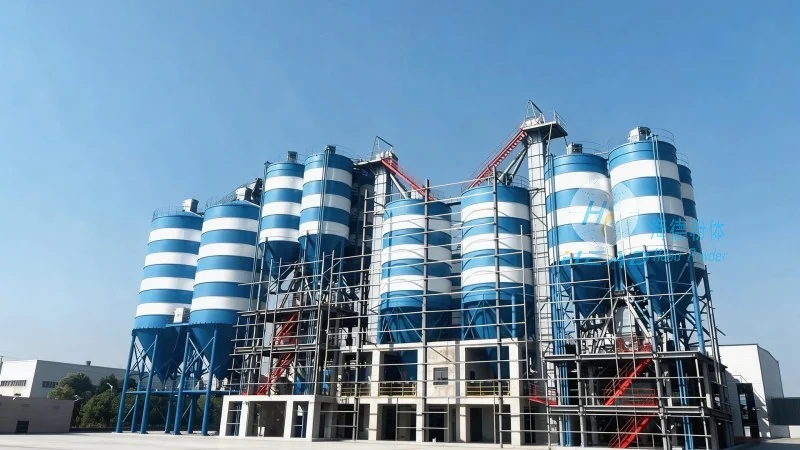
Material Characteristics and System Selection
Fiberglass is a composite material composed of fine glass fibers embedded in a polymer matrix. Its handling characteristics, including low bulk density, high abrasiveness, and static charge generation, influence the choice of pneumatic conveying technology. For example, low-pressure systems are often preferred for fiberglass due to their gentler material handling, which minimizes fiber breakage and reduces wear on system components. High-pressure systems, while capable of handling longer distances or larger quantities, may be less suitable for delicate fiberglass products, as they can cause excessive fiber attrition and system stress.
Pressure and Flow Rate Optimization
The pressure and flow rate settings are fundamental to the performance of a fiberglass pneumatic conveying system. Proper optimization ensures that the material is transported smoothly without causing blockages or excessive energy consumption. The pressure level is typically determined by the system's length, the number of bends, and the material's specific characteristics. For instance, a system with multiple turns or long horizontal runs may require higher pressure to maintain consistent flow. Conversely, shorter systems with fewer bends can operate effectively at lower pressures. Flow rate, on the other hand, is adjusted based on the required throughput and the material's density. Maintaining an optimal flow rate prevents material buildup in the pipeline and reduces the risk of system downtime.
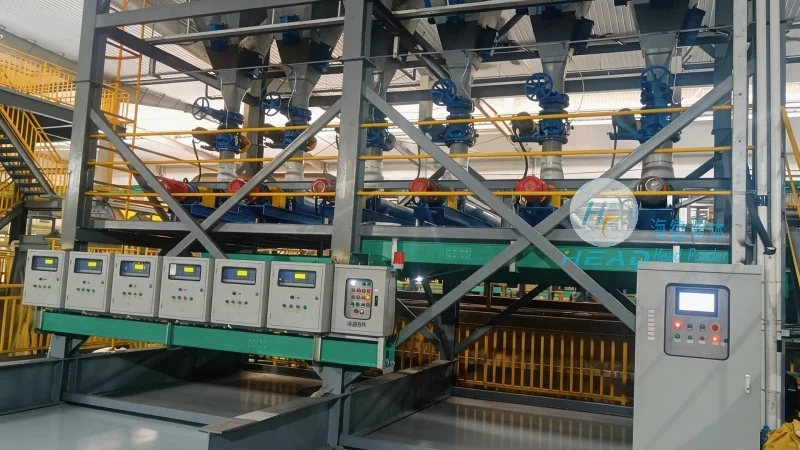
Pipeline Design and Component Selection
The design of the pipeline is a critical aspect of fiberglass pneumatic conveying system performance. The use of smooth, corrosion-resistant materials, such as stainless steel or specialized plastic liners, is essential to prevent abrasion and material buildup. The diameter of the pipeline is also carefully selected to balance flow efficiency with energy consumption. Larger diameters reduce pressure drop but increase system cost and space requirements, while smaller diameters may lead to higher energy usage and potential blockages. Additionally, the inclusion of features like expansion joints and flexible connectors helps accommodate thermal expansion and reduce stress on the system components, which is particularly important for fiberglass systems where material abrasiveness can accelerate wear.
Equipment Selection and Maintenance
The selection of appropriate equipment, including blowers, filters, and material feeders, is crucial for the successful operation of a fiberglass pneumatic conveying system. High-efficiency, low-noise blowers are often preferred to minimize noise pollution and energy consumption. Filters are essential to remove fine fiberglass particles from the air stream, protecting downstream equipment and ensuring compliance with environmental regulations. Material feeders, such as rotary valves or screw feeders, must be designed to handle the abrasive nature of fiberglass without causing excessive wear or material degradation. Regular maintenance, including cleaning of filters, inspection of pipeline integrity, and replacement of worn components, is vital to maintain system performance and extend the lifespan of the equipment.
Static Electricity Control
Static electricity generation is a common issue in fiberglass handling due to the material's insulating properties. Uncontrolled static can lead to material buildup on pipeline walls, causing blockages and system inefficiencies. To mitigate this, grounding and bonding systems are implemented to dissipate static charges. Additionally, the use of anti-static additives or materials with conductive properties can help reduce static buildup. Proper grounding of the entire system, including the pipeline and equipment, ensures that static charges are safely discharged, preventing material accumulation and maintaining smooth operation.
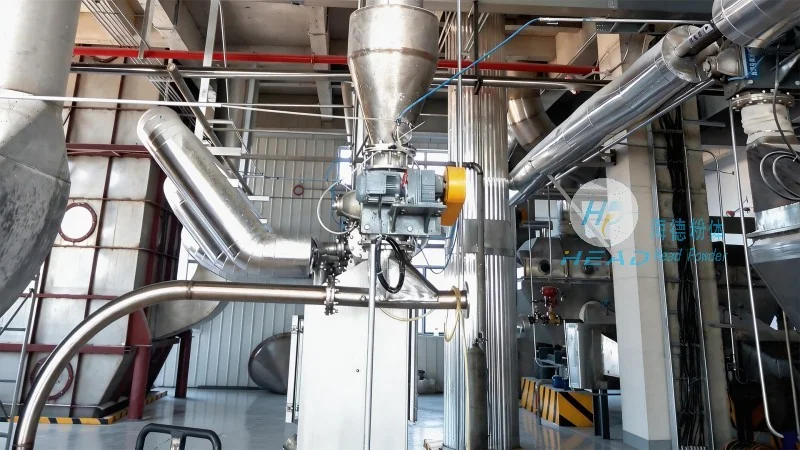
System Integration and Safety
Integrating the pneumatic conveying system with other production processes requires careful planning to ensure seamless operation and safety. The system should be designed to interface with existing equipment, such as hoppers, mixers, and packaging lines, without causing disruptions. Safety considerations, including pressure relief valves, emergency shut-off systems, and proper ventilation, are essential to protect personnel and equipment from potential hazards. Regular system testing and inspection are recommended to identify and address any potential issues before they lead to system failures or safety incidents.
Case Study: Successful Implementation by Shandong HeadPowder Engineering Co., Ltd.
Shandong HeadPowder Engineering Co., Ltd., a leading provider of engineering solutions for material handling systems, has successfully designed and implemented fiberglass pneumatic conveying systems for various industries. For example, a client in the fiberglass insulation industry required a system to transport fine glass fibers from a storage silo to a production line. The system, designed by HeadPowder, incorporated low-pressure operation, stainless steel pipelines, and anti-static grounding to handle the material's unique properties. The system has operated efficiently for over five years, with minimal maintenance and consistent material flow. This case study highlights the importance of considering material characteristics, system design, and component selection when developing a reliable fiberglass pneumatic conveying system.




