For industrial applications involving the handling of casting dust, pneumatic conveying systems offer a reliable and efficient solution. These systems are designed to transport bulk materials like casting dust through a pipeline using air pressure. The effectiveness of such systems depends heavily on careful design and consideration of several key factors to ensure optimal performance, safety, and longevity. This article outlines essential design considerations for casting dust pneumatic conveying systems, providing insights into how to achieve efficient material transport while minimizing operational challenges.
Material Characteristics and Their Impact on System Design
The physical and chemical properties of casting dust are critical in determining the appropriate design of a pneumatic conveying system. Casting dust typically consists of fine particles with varying sizes, densities, and moisture content. These characteristics influence the selection of equipment such as the feeder, pipeline diameter, and air velocity. For instance, finer particles may require higher air velocities to prevent clogging, while denser materials might need a more robust blower or compressor to maintain adequate pressure. Understanding the material's flowability and abrasiveness is also essential, as these factors affect the wear and tear on components like pipelines, valves, and filters. By accurately characterizing the casting dust, engineers can select the right components and configure the system to handle the material efficiently without compromising performance or safety.
System Configuration and Components Selection
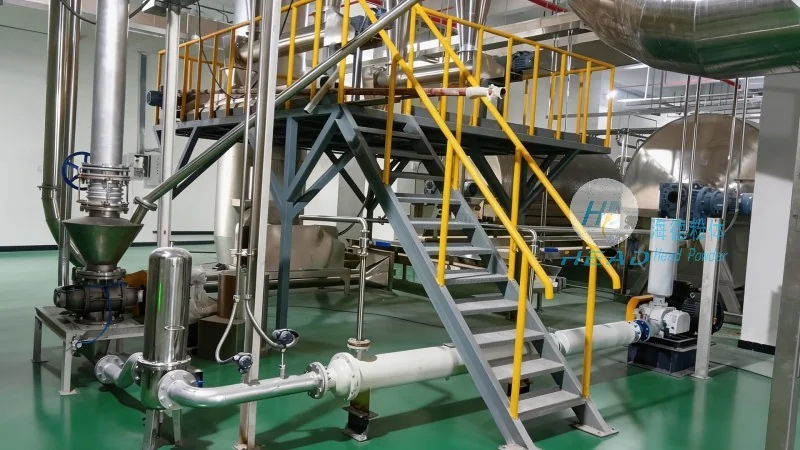
The configuration of a pneumatic conveying system for casting dust involves several key components, each playing a vital role in the overall operation. The primary components include the material feeder, the air source (blower or compressor), the conveying pipeline, and the receiver or discharge unit. The choice of each component is influenced by the material's properties and the system's operational requirements. For example, a rotary valve or a screw feeder may be used for the material inlet, depending on the dust's flowability and the desired feed rate. The air source must be capable of providing sufficient pressure and airflow to move the dust through the pipeline. The pipeline diameter and length are critical parameters that affect the system's efficiency and energy consumption. Proper sizing ensures that the air velocity remains within the optimal range to prevent particle deposition and maintain consistent flow. Additionally, the inclusion of filters and cyclones is essential to separate the dust from the air and prevent contamination of the system components. These components help maintain the system's performance and extend its operational life.
Design Considerations for Airflow and Pressure
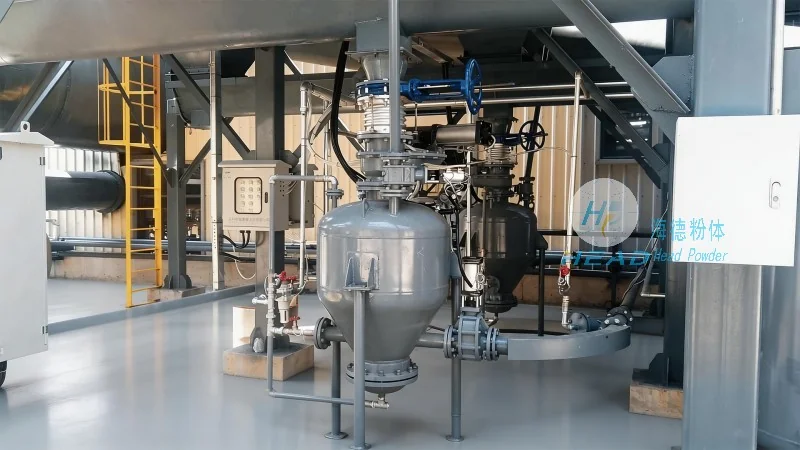
Optimizing airflow and pressure is a fundamental aspect of designing a pneumatic conveying system for casting dust. The air velocity within the pipeline must be carefully controlled to ensure that the dust particles are entrained and transported without causing excessive wear or pressure drops. Typically, air velocities range from 20 to 30 meters per second for fine particles, but this can vary based on the material's characteristics. Higher velocities may be required for more abrasive or cohesive materials to prevent clogging. The pressure drop along the pipeline is another critical factor, as it indicates the energy required to move the material. Engineers must calculate the pressure drop accurately to select the appropriate air source and ensure that the system operates within its capacity. Proper design also involves considering the system's layout, including the number of bends, elbows, and changes in pipeline diameter, as these elements can significantly impact pressure and airflow. By optimizing these parameters, the system can achieve efficient material transport while minimizing energy consumption and operational costs.
Preventing Clogging and Ensuring System Reliability
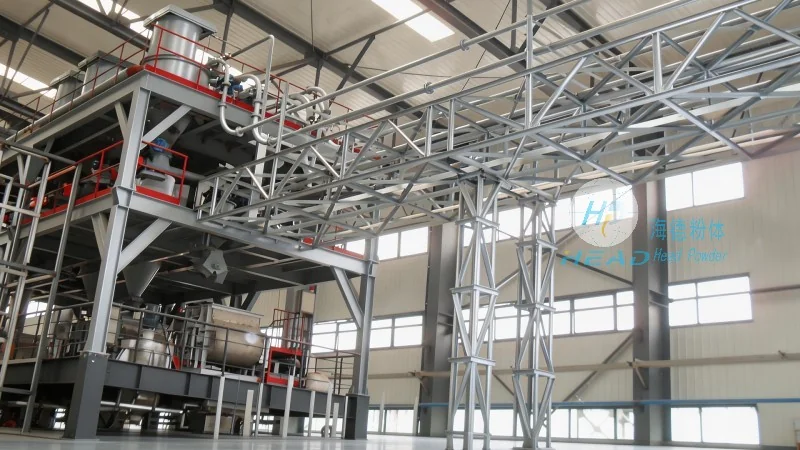
Clogging is a common issue in pneumatic conveying systems handling casting dust, and it can lead to system downtime and increased maintenance costs. To prevent clogging, several design strategies are employed. One approach is to maintain a consistent air velocity throughout the pipeline, ensuring that the dust particles remain suspended. Another strategy involves using appropriate pipeline materials and coatings that resist abrasion and corrosion from the dust. The inclusion of cleaning mechanisms, such as pulse jets or manual cleaning ports, can also help maintain the system's performance. Additionally, the design of the feeder and discharge unit is crucial, as improper feeding can cause uneven material distribution and lead to clogging. By integrating these preventive measures into the system design, engineers can enhance the reliability and longevity of the pneumatic conveying system, reducing the risk of operational disruptions.
Energy Efficiency and Environmental Considerations
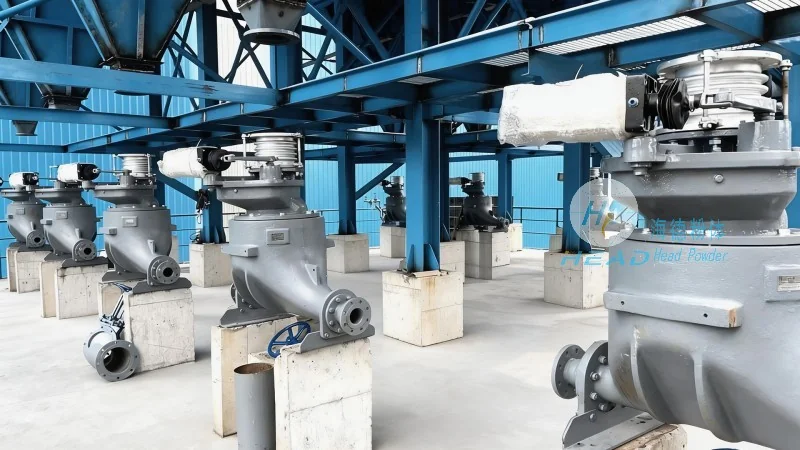
Energy efficiency is a key consideration in the design of pneumatic conveying systems for casting dust, as it directly impacts operational costs and environmental impact. Modern systems incorporate features to optimize energy use, such as variable speed drives for the air source, which adjust the airflow based on the material feed rate. This reduces energy consumption during periods of low demand. The selection of efficient components, such as high-efficiency blowers and compressors, also contributes to lower energy usage. Additionally, proper system sizing and layout minimize unnecessary pressure drops and energy losses. Environmental considerations are also important, as the system must comply with regulations regarding dust emissions and air quality. The use of filters and cyclones helps reduce dust emissions, ensuring that the system operates within environmental standards. By focusing on energy efficiency and environmental compliance, the system not only reduces operational costs but also contributes to sustainable industrial practices.
Maintenance and Operational Guidelines
Proper maintenance and operational guidelines are essential to ensure the long-term performance and reliability of a casting dust pneumatic conveying system. Regular maintenance tasks include inspecting and cleaning the filters, checking the air source for proper operation, and monitoring the system's pressure and airflow. The frequency of maintenance depends on the system's usage and the material's characteristics, with more frequent checks required for abrasive or high-moisture materials. Operational guidelines should include procedures for starting and stopping the system, as well as guidelines for handling system malfunctions. Training operators on proper system operation and maintenance is also crucial to prevent errors and ensure safe operation. By following these guidelines, the system can maintain its efficiency and performance over time, reducing the need for costly repairs and replacements.




