When designing a pneumatic conveying system for sorghum, several critical factors must be considered to ensure optimal performance, efficiency, and longevity. The process of handling sorghum, a key agricultural product, requires specialized equipment that can manage the unique physical and chemical properties of the grain. Proper system design is essential to prevent issues such as blockages, material degradation, and energy inefficiency. Sorghum, with its high bulk density and potential for moisture content, demands a system that can handle abrasive and potentially sticky particles, making material compatibility and system robustness paramount.
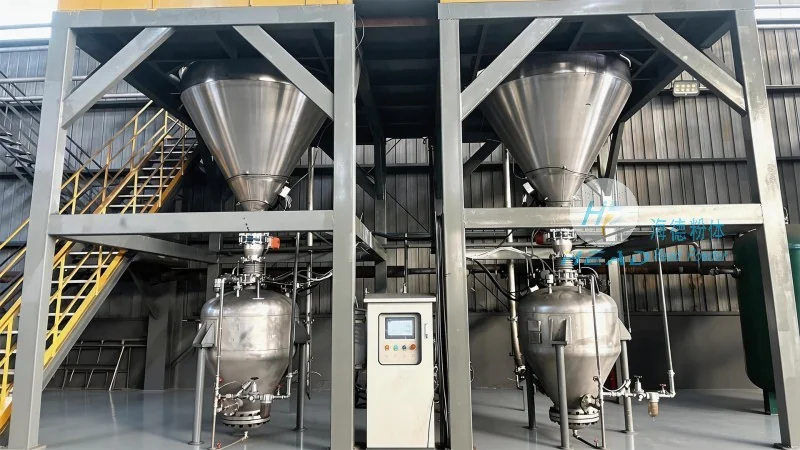
System Selection and Material Compatibility
The first step in designing a sorghum pneumatic conveying system is selecting the appropriate system type and ensuring all components are compatible with sorghum. There are two primary types of pneumatic conveying systems: pressure and vacuum. For sorghum, a pressure system is often preferred due to its ability to handle the grain's density and moisture content effectively. The system must be constructed from materials that resist corrosion and abrasion, as sorghum can be abrasive and may contain moisture that could lead to rust or material buildup. At Shandong HeadPowder Engineering Co., Ltd., we specialize in designing systems using high-quality materials like stainless steel and corrosion-resistant alloys, which are ideal for sorghum handling applications. Our materials are chosen based on the specific characteristics of the sorghum, such as its moisture level and particle size, to ensure maximum durability and performance. For example, in high-moisture environments, we may use materials with enhanced corrosion resistance to prevent premature failure.
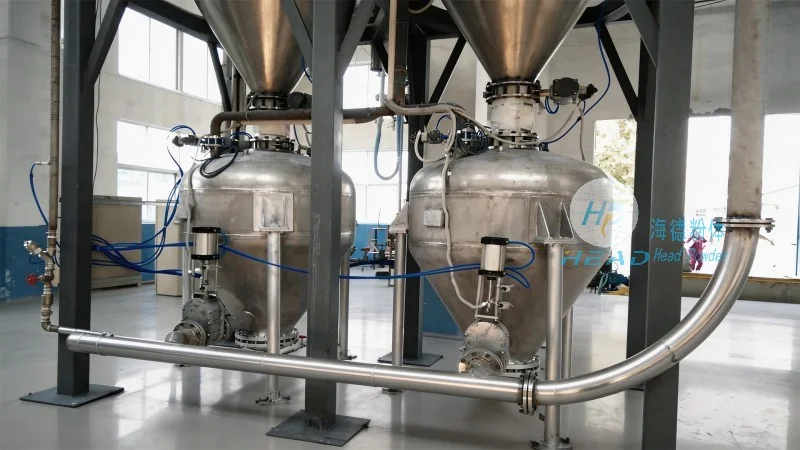
Pressure and Flow Rate Management
Controlling the pressure and flow rate is crucial for preventing system failures and ensuring consistent material transport. Excessive pressure can cause grain damage or system wear, while insufficient pressure may lead to blockages or reduced throughput. The system's design must include pressure regulators and flow control valves to maintain optimal operating conditions. Proper calibration of these components is essential to match the system's performance with the specific characteristics of the sorghum being handled. Our engineering team at HeadPowder uses advanced modeling techniques, including computational fluid dynamics (CFD), to calculate the ideal pressure and flow rates for each project. This approach ensures that the system operates within safe and efficient parameters, minimizing energy consumption and maximizing throughput. We also incorporate pressure sensors and flow meters into the system design to provide real-time monitoring and allow for quick adjustments if needed.
Pipeline Design and Layout
The design of the pipeline network is another critical aspect of sorghum pneumatic conveying system design. The layout must minimize bends and changes in direction to reduce pressure loss and prevent material accumulation. The diameter of the pipeline is determined by the required flow rate and the grain's particle size. For sorghum, a larger diameter may be necessary to accommodate the grain's bulk density and prevent blockages. The pipeline should also be equipped with cleaning mechanisms, such as rotary valves or air knives, to remove any buildup and maintain system efficiency. At HeadPowder, we design custom pipeline layouts that consider the facility's layout and operational requirements, ensuring smooth and continuous material transport. We also incorporate features like expansion joints and flexible connectors to accommodate thermal expansion and reduce stress on the system components. Additionally, we use high-quality fittings and connectors to minimize leaks and ensure airtight operation.
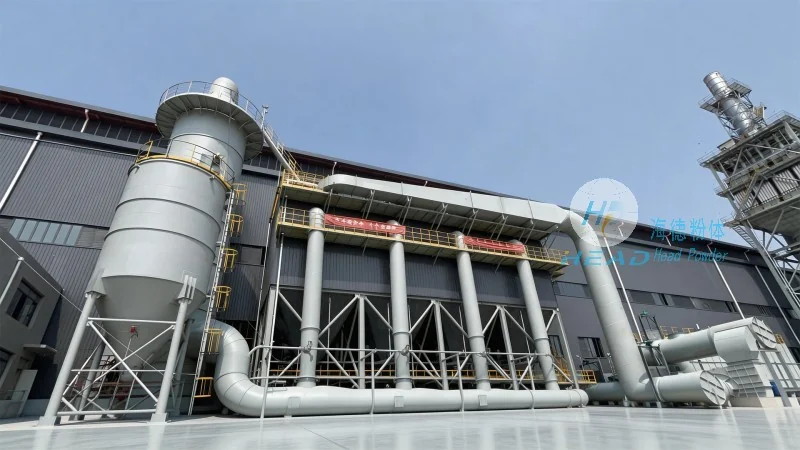
Filter and Dust Collection Systems
Due to the fine particles and dust associated with sorghum, an effective filtration system is essential to protect equipment and maintain air quality. The filter system must be capable of capturing fine particles and preventing them from entering the conveying line or the environment. Regular maintenance of the filter is necessary to ensure optimal performance and prevent pressure drops. The system should include a dust collection unit that can handle the volume of dust generated during operation. At Shandong HeadPowder Engineering Co., Ltd., we integrate advanced filtration technologies, such as bag filters or cartridge filters, into our designs. These systems are designed to capture even the smallest sorghum particles, ensuring compliance with environmental regulations and maintaining a clean working environment. Our filtration systems are also equipped with automatic cleaning mechanisms to minimize downtime and maintenance efforts. We may also incorporate dust suppression systems to reduce airborne dust and improve overall safety.




