Efficient transportation of cereals is a critical aspect of the food processing industry, ensuring that raw materials are moved safely and effectively from storage to production lines. The choice of transportation method can significantly impact operational efficiency, product quality, and overall cost management. Understanding the various cereal transportation methods available is essential for businesses looking to optimize their processing operations.
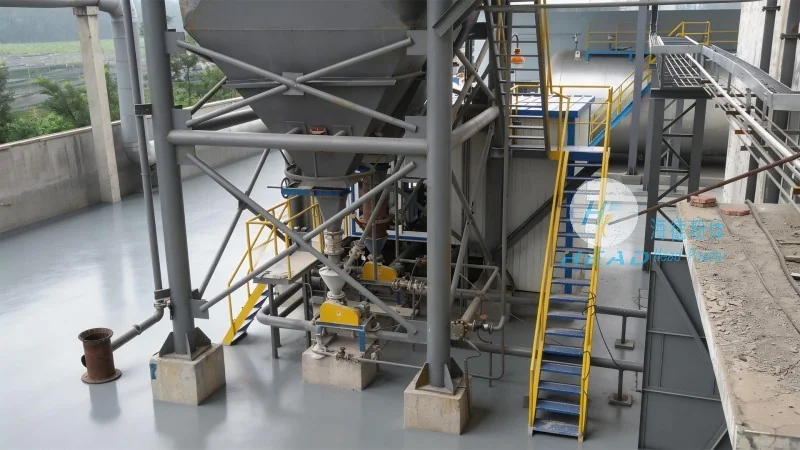
The Importance of Efficient Cereal Transportation
For companies in the cereal manufacturing sector, selecting the appropriate transportation method is not just a matter of convenience but a strategic decision that affects multiple facets of production. Poorly chosen methods can lead to product damage, increased labor costs, and reduced throughput. Conversely, an efficient system can enhance productivity, minimize downtime, and improve the overall quality of the final product. This makes it imperative to evaluate different options based on specific operational needs, such as the type of cereal being handled, the volume of material, and the layout of the processing facility.
Common Cereal Transportation Methods
Several methods are commonly used for cereal transportation, each with its own advantages and limitations. The most suitable method often depends on factors like the physical properties of the cereal (e.g., size, moisture content, and flowability), the distance to be covered, and the environmental conditions of the processing plant. Below are some of the most prevalent cereal transportation methods employed by industry leaders like Shandong HeadPowder Engineering Co., Ltd.
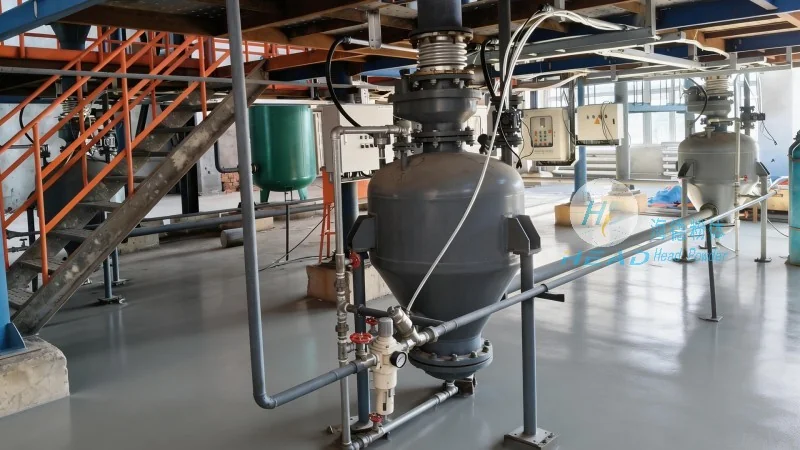
Screw Conveyors for Cereal Handling
Screw conveyors, also known as auger conveyors, are among the most widely used equipment for transporting cereals. These systems consist of a rotating helical screw inside a tube or trough, which moves material from one point to another through gravity and the rotational force of the screw. Screw conveyors are particularly effective for handling dry, free-flowing cereals such as wheat, corn, and oats. They are compact, easy to install, and can operate in both horizontal and inclined positions, making them versatile for various processing applications. The design of screw conveyors allows for minimal product degradation, as the material is contained within the tube, reducing the risk of breakage or contamination. This makes them an ideal choice for maintaining product integrity during transportation.
Pneumatic Conveying Systems for Cereal Transport
Pneumatic conveying systems use air to transport cereals through a network of pipes. These systems are highly efficient for moving large volumes of material over moderate distances, often in a closed system that prevents dust and contamination. There are two main types of pneumatic conveying: pressure and vacuum systems. Pressure systems use compressed air to push material through the pipes, while vacuum systems use a vacuum to draw material into the system. Pneumatic conveyors are particularly useful for handling fine or powdery cereals, as they can prevent dust dispersion and maintain product quality. However, they may require more energy compared to other methods and can be more complex to maintain. For companies dealing with high-volume cereal production, pneumatic systems offer a reliable and efficient solution for transporting materials from storage to processing equipment.
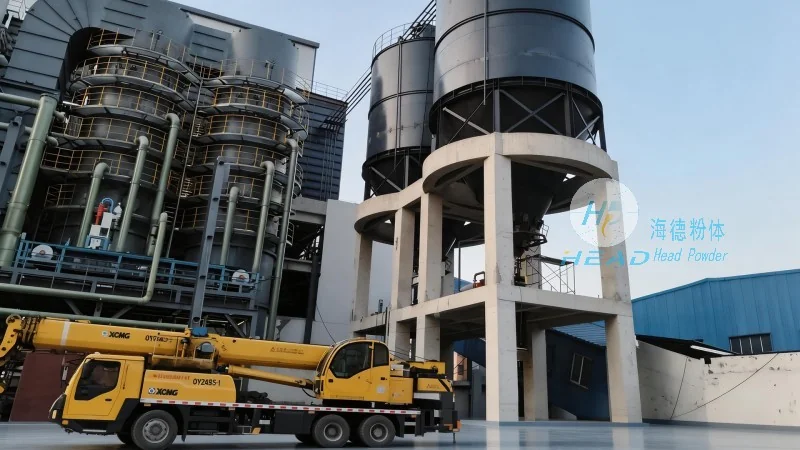
Belt Conveyors in Cereal Processing
Belt conveyors are another common method for cereal transportation, especially in large-scale processing facilities. These systems use a continuous belt made of rubber or other durable materials to move material along a path. Belt conveyors are suitable for both dry and slightly moist cereals and can handle a wide range of particle sizes. They are often used for transporting bulk cereals over longer distances or for elevating material to higher levels. Belt conveyors are known for their high capacity and durability, making them a popular choice in industries where large volumes of material need to be moved consistently. However, they require regular maintenance to ensure the belt remains in good condition and to prevent material buildup or damage. Proper alignment and tensioning of the belt are crucial for optimal performance and to avoid downtime.
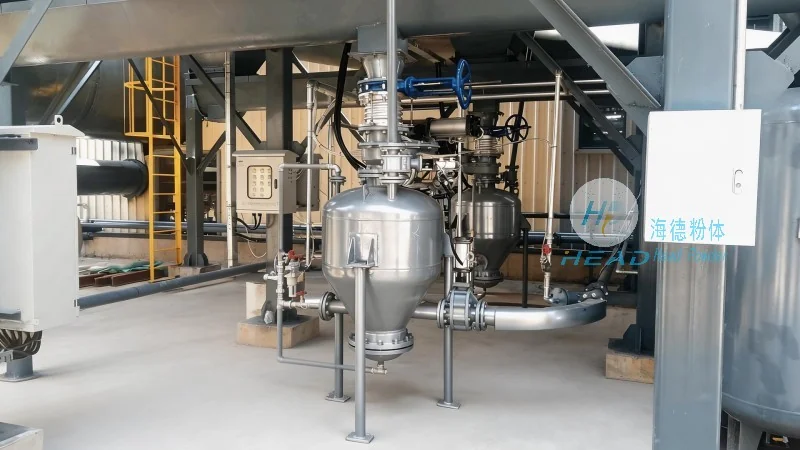
Choosing the Right Cereal Transportation Method
When choosing a cereal transportation method, several factors must be considered to ensure the best fit for a specific operation. First, the physical characteristics of the cereal, such as its size, shape, and moisture content, play a significant role. For example, fine powders may be better suited for pneumatic systems, while larger, irregularly shaped grains may benefit from screw or belt conveyors. Second, the distance and layout of the processing facility are important. Short distances may be efficiently covered by screw conveyors, while longer distances may require pneumatic or belt systems. Third, the need for product containment and hygiene should be evaluated. Systems that keep the material enclosed, like screw or pneumatic conveyors, are often preferred in food processing to maintain cleanliness and prevent contamination. Finally, cost considerations, including initial investment, operating costs, and maintenance requirements, should be weighed against the expected benefits of each method.
About Shandong HeadPowder Engineering Co., Ltd.
Shandong HeadPowder Engineering Co., Ltd. is a leading manufacturer and supplier of specialized equipment for the food processing industry, including cereal transportation systems. With a strong focus on innovation and quality, the company has established itself as a trusted partner for businesses seeking reliable and efficient solutions for their processing needs. HeadPowder's expertise lies in designing and manufacturing equipment that meets the unique requirements of cereal manufacturers, ensuring optimal performance and durability. The company's products are engineered to handle a wide range of cereals, from grains to flours, and are built to withstand the demands of high-volume production environments. By leveraging advanced technology and rigorous quality control, HeadPowder delivers solutions that enhance operational efficiency and product quality for its clients.




