Calcite, a widely used mineral in various industrial applications, requires efficient and reliable conveying systems to ensure smooth material handling. The choice of conveying method depends on factors such as material properties, processing requirements, and operational environment. In this article, we explore the different types of calcite conveying methods, highlighting the solutions offered by Shandong HeadPowder Engineering Co., Ltd., a leading manufacturer in the field.
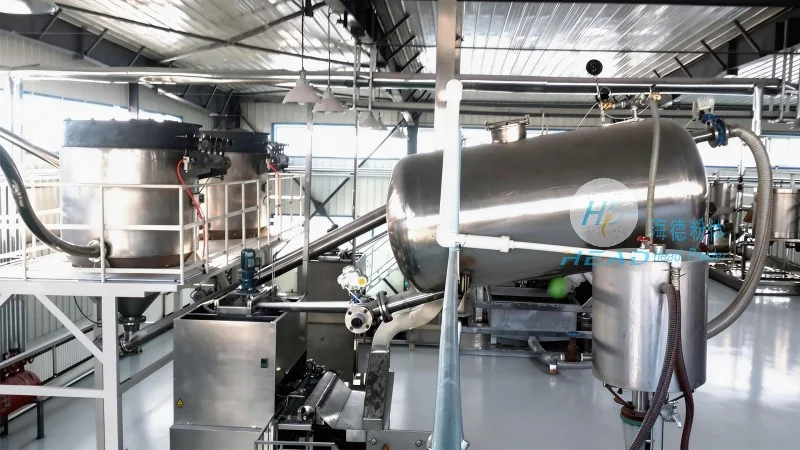
Understanding Calcite and Its Conveying Needs
Calcite, or calcium carbonate (CaCO₃), is a common mineral with a wide range of industrial uses, including in the production of cement, plastics, and coatings. Its bulk density and flow characteristics make it essential to select appropriate conveying equipment to prevent issues like clogging, segregation, or material degradation. Effective calcite conveying systems must balance efficiency, durability, and cost-effectiveness to meet the demands of modern manufacturing processes.
Common Conveying Methods for Calcite
Several conveying methods are commonly employed for calcite, each with its own advantages and applications. The selection of a method depends on the specific requirements of the process, such as the size of the calcite particles, the distance to be conveyed, and the need for dust control. Key methods include:
Screw Conveyors for Calcite Handling
Screw conveyors, also known as auger conveyors, are widely used for calcite conveying due to their ability to handle bulk materials in a compact and enclosed system. These conveyors consist of a rotating screw (auger) inside a U-shaped or cylindrical housing. The screw rotates, pushing the calcite material forward through the housing. For calcite, which can be abrasive, high-quality materials and corrosion-resistant coatings are essential to ensure the longevity of the equipment. Shandong HeadPowder Engineering Co., Ltd. offers robust screw conveyors designed to handle calcite efficiently, with options for different screw speeds and diameters to accommodate varying particle sizes.
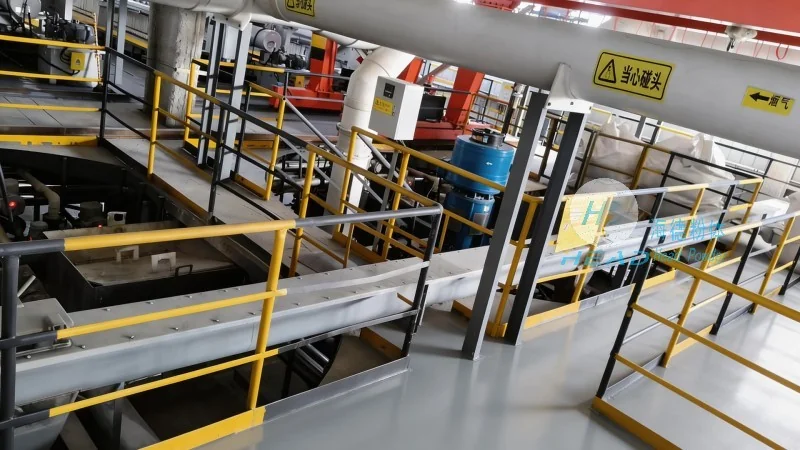
Pneumatic Conveying Systems for Calcite
Pneumatic conveying, or air-based conveying, is another effective method for calcite transport, especially when long distances or vertical lifts are required. This system uses compressed air to move calcite particles through a pipeline. There are two main types of pneumatic conveyors: dilute-phase and dense-phase. Dilute-phase systems use low air velocity to transport calcite in a dispersed state, while dense-phase systems use higher air velocity to create a slurry-like flow. Pneumatic conveying offers advantages such as dust containment and the ability to transport calcite over long distances without the need for multiple transfer points. HeadPowder specializes in designing and manufacturing pneumatic conveying systems tailored to the unique characteristics of calcite, ensuring minimal material degradation and efficient operation.
Belt Conveyors for Bulk Calcite Transport
Belt conveyors are a classic and widely adopted method for calcite conveying, particularly in applications requiring high throughput and long-distance transport. These systems consist of a continuous belt that moves over rollers, carrying calcite from one point to another. Belt conveyors are suitable for calcite with a wide range of particle sizes and can be configured with multiple inclines or declines to optimize material flow. To handle the abrasive nature of calcite, the belts and rollers are often made of durable materials like rubber or steel, with proper maintenance to prevent wear and tear. Shandong HeadPowder Engineering Co., Ltd. provides customized belt conveyor solutions, including variable speed drives and advanced control systems, to enhance the efficiency and reliability of calcite transport.
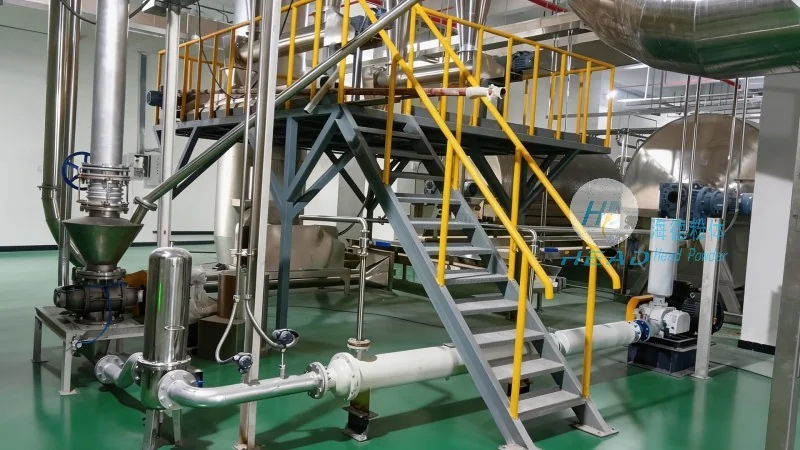
Vertical Conveyors for Vertical Calcite Lifts
When calcite needs to be lifted vertically, vertical conveyors are an ideal solution. These systems are designed to move calcite upward in a vertical or near-vertical direction, often using a screw or belt mechanism. Vertical conveyors are particularly useful in space-constrained environments where horizontal space is limited. They offer advantages such as reduced floor space requirements and the ability to handle calcite with high bulk density. HeadPowder engineers vertical conveying systems that ensure smooth and continuous material flow, minimizing the risk of material buildup or clogging. The company’s vertical conveyors are equipped with features like anti-stick coatings and adjustable speed controls to maintain optimal performance during calcite handling.
Factors to Consider When Choosing a Calcite Conveying Method
When selecting a calcite conveying method, several factors must be considered to ensure the best performance and cost-effectiveness. These factors include the physical properties of the calcite (e.g., particle size, moisture content, and bulk density), the distance and elevation changes required, the need for dust control, and the available space for the equipment. Additionally, the operational environment, such as temperature and humidity, can impact the choice of conveying system. Shandong HeadPowder Engineering Co., Ltd. provides expert consultation to help clients evaluate these factors and choose the most suitable calcite conveying method for their specific needs.
Conclusion
Efficient calcite conveying is crucial for maintaining productivity and quality in industrial processes. By understanding the different conveying methods available and selecting the appropriate system, manufacturers can ensure smooth material handling and minimize operational challenges. Shandong HeadPowder Engineering Co., Ltd., with its expertise in calcite handling equipment, offers a range of solutions tailored to the unique requirements of calcite processing. Whether through screw conveyors, pneumatic systems, belt conveyors, or vertical lifts, HeadPowder provides reliable and durable equipment to support the efficient transport of calcite in various industrial applications.




