When designing a silicate pneumatic conveying system, several critical factors must be considered to ensure efficient operation, durability, and cost-effectiveness. The process involves selecting appropriate equipment, material handling strategies, and control mechanisms tailored to the specific characteristics of silicate materials. This article outlines key design considerations that professionals in the field should address to optimize system performance.
System Selection and Configuration
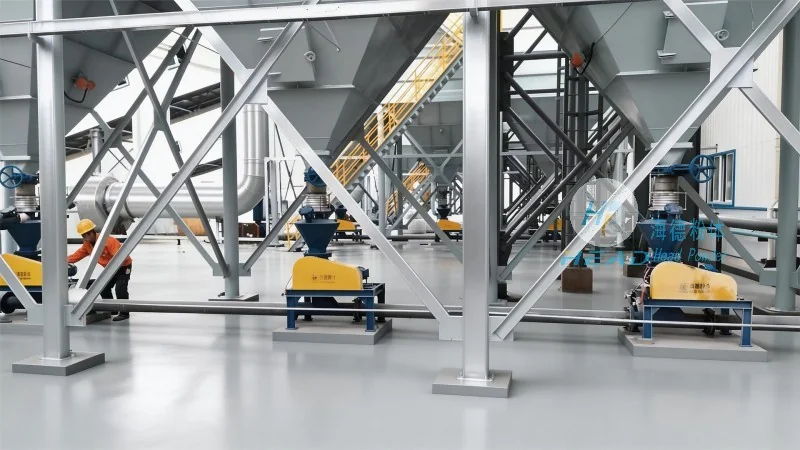
Choosing the right type of pneumatic conveying system is the first step in successful silicate material handling. The two primary categories are pressure and vacuum systems. Pressure systems use positive pressure to move material from the source to the destination, while vacuum systems employ negative pressure to draw material. For silicate powders, which often have varying particle sizes and flow properties, a pressure system is generally preferred due to its ability to handle higher material loads and maintain consistent flow rates. The selection should also consider the distance between the source and destination, as well as the required material throughput. For instance, in applications requiring long-distance transport or high material volumes, a positive pressure system with a high-capacity blower or compressor may be more suitable.
Material Characteristics and Compatibility
Silicate materials, such as silica, kaolin, or feldspar, exhibit unique properties that impact system design. These materials can be abrasive, corrosive, or have a tendency to agglomerate, which may affect the choice of equipment materials and system components. For example, abrasive silicates may require wear-resistant materials like stainless steel or special coatings for the conveyor pipes and valves to prevent premature wear. Corrosive materials might necessitate the use of corrosion-resistant alloys or lined components. Additionally, the flowability of silicate powders is crucial; some may be cohesive or prone to bridging, requiring the incorporation of air classifiers or fluidization devices to maintain consistent material flow. The design must account for these characteristics to avoid system blockages or inefficiencies.
Pressure and Flow Control Mechanisms
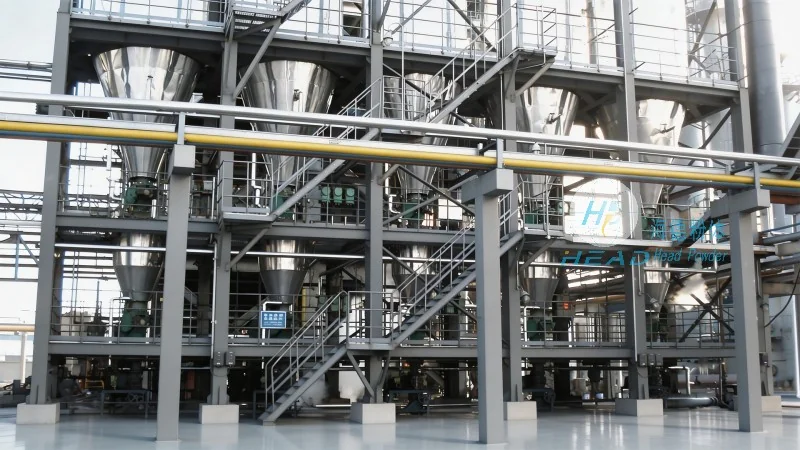
Effective pressure and flow control are essential for maintaining stable operation in silicate pneumatic conveying systems. The system must be equipped with appropriate control valves, such as rotary air locks or slide gates, to regulate material discharge and prevent backflow. Pressure regulators and flow meters are also critical components that help monitor and adjust the system's performance in real-time. For example, a pressure regulator can maintain a consistent air pressure to ensure steady material transport, while a flow meter can provide feedback on the material throughput, allowing for adjustments to meet production demands. In addition, the use of pulse-jet filters or cyclone separators is necessary to manage dust and maintain air quality, which is particularly important for silicate materials that can generate fine particulate matter during transport.
Equipment Sizing and Capacity Planning
Proper sizing of the conveying equipment, including the blower, ducts, and storage vessels, is vital to match the system's capacity with the material handling requirements. The blower's capacity must be sufficient to generate the required air pressure and volume to transport the silicate material over the intended distance. The duct size and configuration should be optimized to minimize pressure losses and ensure smooth material flow. For instance, larger ducts may be needed for high-volume applications to reduce friction and maintain adequate velocity. The storage vessels, such as hoppers or silos, must be designed to accommodate the material's bulk density and flow characteristics, preventing issues like material bridging or segregation. Capacity planning also involves considering the system's scalability, allowing for future expansion or increased production needs without significant modifications.
Maintenance and Operational Considerations
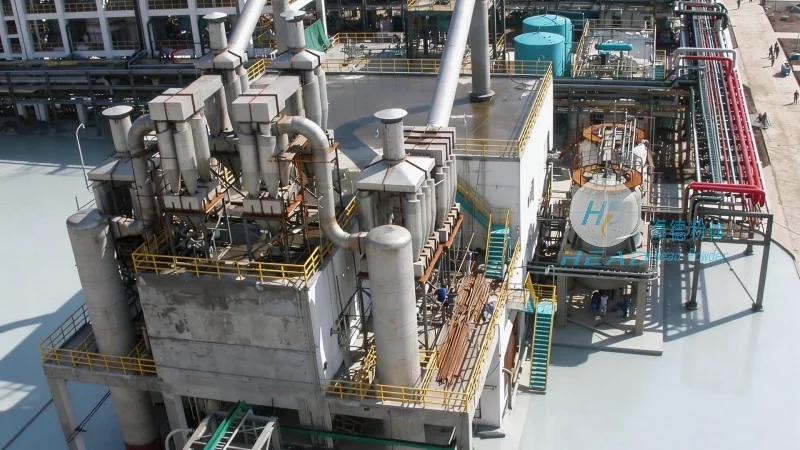
Regular maintenance is essential to ensure the long-term reliability and efficiency of silicate pneumatic conveying systems. This includes routine inspections of components like blower motors, air filters, and conveyor pipes for signs of wear or damage. The system should be equipped with monitoring tools to detect potential issues early, such as pressure drops or abnormal flow patterns, which can indicate blockages or equipment failures. Additionally, the design should incorporate easy access points for maintenance personnel to perform inspections and repairs without disrupting the entire system operation. For example, the use of modular components allows for quick replacement of worn parts, reducing downtime. Operational considerations also include training operators on proper system usage and emergency procedures, as silicate materials can pose health risks if not handled correctly. By implementing a comprehensive maintenance plan, the system's lifespan can be extended, and operational costs can be minimized.
Environmental and Safety Compliance
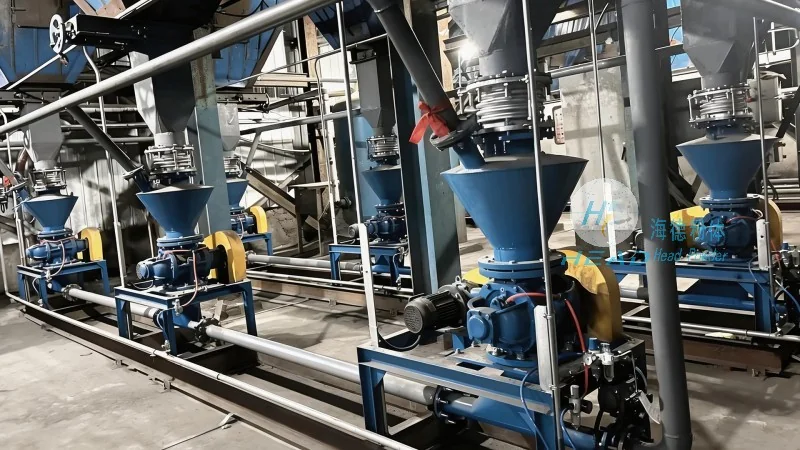
Designing a silicate pneumatic conveying system must adhere to environmental and safety regulations to protect both personnel and the environment. Dust control measures, such as enclosed systems and proper ventilation, are necessary to prevent the release of fine particulate matter into the air, which can be harmful to workers and contribute to air pollution. The system should be equipped with dust collection systems, such as baghouses or cartridge filters, to capture and remove dust from the exhaust air. Additionally, the design must consider the potential for material dust to cause respiratory issues or other health hazards, requiring the use of personal protective equipment (PPE) and proper ventilation systems. Safety features, such as emergency shut-off valves and pressure relief devices, should be integrated into the system to prevent accidents and ensure safe operation. Compliance with local and national regulations regarding material handling and environmental protection is crucial to avoid legal issues and maintain a safe working environment.
Case Study: Application in the Ceramic Industry
HeadPowder, a leading provider of engineering solutions, has extensive experience in designing silicate pneumatic conveying systems for the ceramic industry. One notable project involved supplying a high-capacity system for a ceramic manufacturing plant in Shandong, China. The system was designed to transport kaolin and feldspar powders over a distance of 500 meters, with a required throughput of 50 tons per hour. The solution included a positive pressure system with a large-capacity blower, wear-resistant ducts, and advanced control mechanisms. The system successfully met the production demands, with minimal downtime and efficient material handling. This case study highlights the importance of considering material characteristics, system configuration, and operational requirements when designing silicate pneumatic conveying systems. HeadPowder's expertise in engineering and material handling ensures that their systems are tailored to meet the specific needs of clients, providing reliable and efficient solutions for various industrial applications.




