When designing a pneumatic conveying system for ferric sulfate, several critical factors must be considered to ensure efficiency, reliability, and safety. Ferric sulfate, a common chemical used in water treatment and industrial processes, presents unique challenges due to its physical properties, such as particle size, moisture content, and flow characteristics. A well-engineered system not only optimizes material handling but also minimizes operational costs and environmental impact.
Key Design Considerations for Ferric Sulfate Pneumatic Conveying
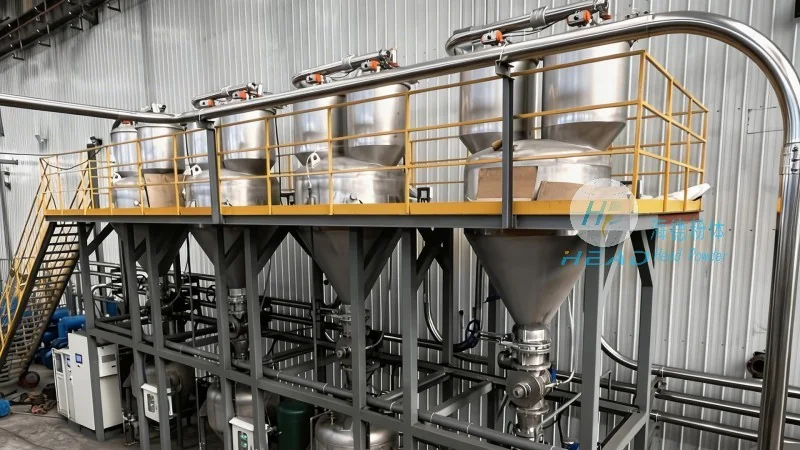
One of the primary considerations is the selection of the appropriate conveying method. For ferric sulfate, which is often a fine powder, a positive pressure system is typically preferred. This approach involves using a blower or compressor to generate air pressure that propels the material through the pipeline. The choice between dilute-phase and dense-phase conveying depends on the material's characteristics and the required distance and throughput. Dilute-phase systems are suitable for short distances and low to moderate flow rates, while dense-phase systems are ideal for longer distances or when handling more viscous materials.
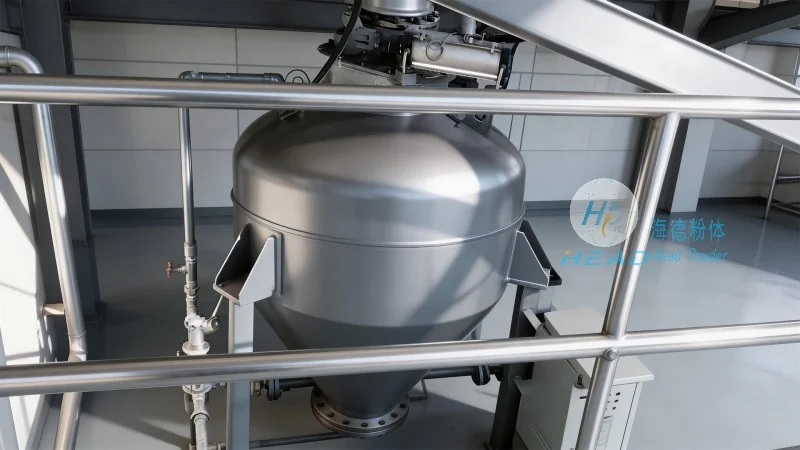
Another crucial aspect is the design of the feed system. The feed hopper and associated equipment must be designed to prevent blockages and ensure consistent material flow. For ferric sulfate, which can be hygroscopic, the hopper should be equipped with a heating element or a desiccant to maintain the material's dryness and prevent caking. Proper sealing of the hopper and feed mechanism is also essential to avoid air leakage and maintain system pressure.
Material Handling and Pipeline Design
The pipeline configuration plays a significant role in the system's performance. The diameter and material of the pipeline must be selected to accommodate the particle size and flow rate of ferric sulfate. Stainless steel is often recommended for the pipeline to prevent corrosion, as ferric sulfate can be corrosive to certain metals. The pipeline should also be designed with appropriate bends and elbows to minimize pressure drop and prevent material deposition. Additionally, the use of pulse jets or air cannons can be implemented to clear blockages and maintain smooth flow.
System pressure and air flow rate are critical parameters that need to be optimized. The pressure must be sufficient to overcome friction losses in the pipeline and lift the material to the desired height. The air flow rate should be carefully calculated to ensure that the material is fully suspended and conveyed without excessive velocity, which could cause erosion or wear on the pipeline components. Monitoring tools, such as pressure gauges and flow meters, are essential to maintain optimal system performance.
Equipment Selection and Maintenance
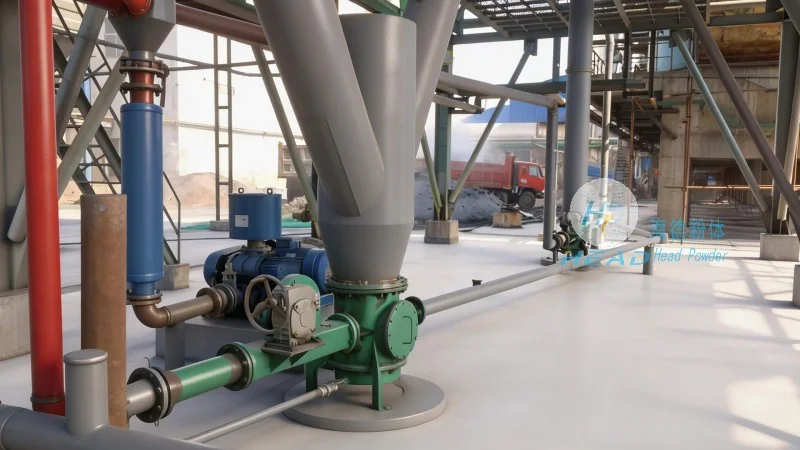
The selection of appropriate equipment, including blowers, filters, and cyclones, is vital for the system's longevity and efficiency. The blower must be capable of providing the required pressure and airflow while operating efficiently to minimize energy consumption. High-efficiency particulate air (HEPA) filters are recommended to capture fine particles and prevent contamination in the system. Cyclones or bag filters are commonly used for material separation and recovery, ensuring that the ferric sulfate is not lost during the conveying process.
Maintenance is a key factor in the system's reliability. Regular inspection of the pipeline, hopper, and equipment is necessary to detect any signs of wear or blockage. Cleaning procedures should be implemented to remove accumulated material and prevent system degradation. Proper training for operators on system operation and maintenance is also essential to ensure the system runs smoothly and efficiently.
Environmental and Safety Considerations
Environmental and safety considerations are paramount when designing a ferric sulfate pneumatic conveying system. The system should be designed to minimize dust emissions and comply with local environmental regulations. Dust collection systems, such as baghouses or electrostatic precipitators, can be integrated to capture and contain airborne particles. Additionally, the system should be equipped with safety features, including pressure relief valves and emergency shut-off mechanisms, to prevent accidents and ensure operator safety.
Proper ventilation and housekeeping practices are also important to maintain a safe working environment. The system should be designed to prevent the buildup of static electricity, which can be a fire hazard with fine powders like ferric sulfate. Regular testing of the system's safety features and compliance with safety standards is necessary to ensure continuous operation without risks.
Case Study: Successful Implementation by Shandong HeadPowder Engineering Co., Ltd.
Shandong HeadPowder Engineering Co., Ltd., a leading provider of material handling solutions, has successfully implemented several ferric sulfate pneumatic conveying systems for clients in various industries. One notable project involved designing a dense-phase system for a water treatment plant, where the system was required to transport ferric sulfate over a distance of 500 meters with a consistent flow rate of 10 tons per hour. The system was engineered to handle the hygroscopic nature of the material by incorporating a heated hopper and desiccant system, ensuring consistent performance and preventing caking.
The system was equipped with high-efficiency cyclones for material recovery and HEPA filters to maintain air quality. Regular maintenance and monitoring were implemented to ensure the system operated at optimal efficiency. The client reported significant cost savings in material handling and reduced downtime due to the system's reliability. This case study highlights the importance of considering all design factors and the expertise required to implement a successful ferric sulfate pneumatic conveying system.
Conclusion
Designing a pneumatic conveying system for ferric sulfate requires careful consideration of material properties, system configuration, and operational requirements. By addressing key factors such as conveying method, feed system design, pipeline design, equipment selection, and maintenance, engineers can create a system that is efficient, reliable, and safe. The expertise of companies like Shandong HeadPowder Engineering Co., Ltd. is crucial in ensuring that these systems are designed and implemented to meet the specific needs of industrial applications, ultimately contributing to improved operational performance and cost-effectiveness.




