This section introduces the fundamental principles and importance of designing efficient silica aerodynamic conveying systems. Silica, a common industrial material, requires specialized handling due to its particle size, density, and flow characteristics. Proper system design ensures safe, reliable, and cost-effective material transport. The following considerations are critical for optimizing performance.
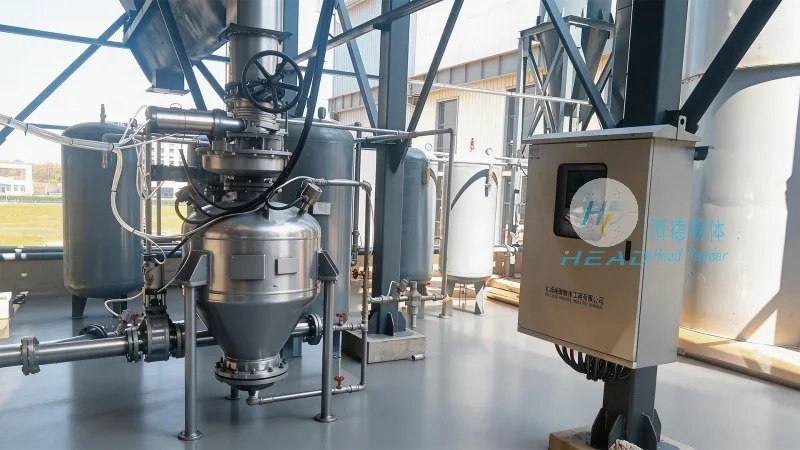
Key Design Considerations for Efficient Silica Transport
Several key factors must be addressed when designing a silica aerodynamic conveying system. The first is the material's physical properties, such as particle size distribution, moisture content, and bulk density. These properties directly influence the required air velocity, pressure drop, and equipment sizing. For instance, finer silica particles may require higher air velocities to maintain suspension, while larger particles need more robust equipment to prevent blockages. Additionally, the system's layout, including the number of bends, vertical lifts, and horizontal runs, impacts overall efficiency. A well-planned layout minimizes pressure losses and reduces energy consumption.
Material Properties and Their Impact on System Performance
Understanding the specific properties of silica is paramount to system success. Silica particles can vary widely in size, from sub-micron to several millimeters, and their distribution affects how they behave in the conveying air stream. Moisture content is another critical factor; excess moisture can cause clumping, reducing flow rates and increasing wear on components. Bulk density, which measures the material's mass per unit volume, influences the required air volume to achieve proper suspension. For example, a higher bulk density may necessitate a larger air compressor or higher air pressure to maintain particle movement. These properties must be thoroughly characterized before system design to ensure optimal performance.
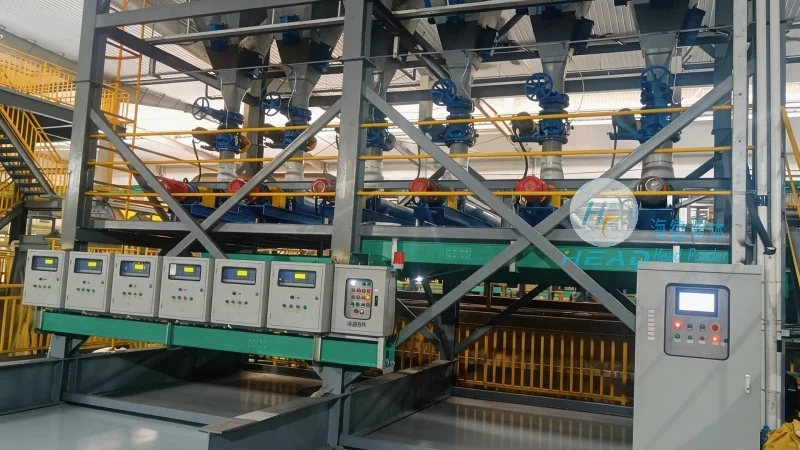
Equipment Selection and System Configuration
Choosing the right equipment is essential for a successful silica conveying system. The primary components include the air compressor, conveying pipes, and control valves. The air compressor must provide sufficient pressure and volume to overcome system resistance and maintain particle suspension. Common types include positive displacement and centrifugal compressors, each with advantages depending on the application. Conveying pipes are typically made of materials resistant to silica abrasion, such as stainless steel or high-density polyethylene (HDPE), to extend service life. The pipe diameter and length are critical; larger diameters reduce pressure drop but increase cost, while longer runs require additional air boosters or pressure regulators. Control valves, such as rotary valves or slide gates, regulate material flow and prevent backflow, ensuring smooth operation.
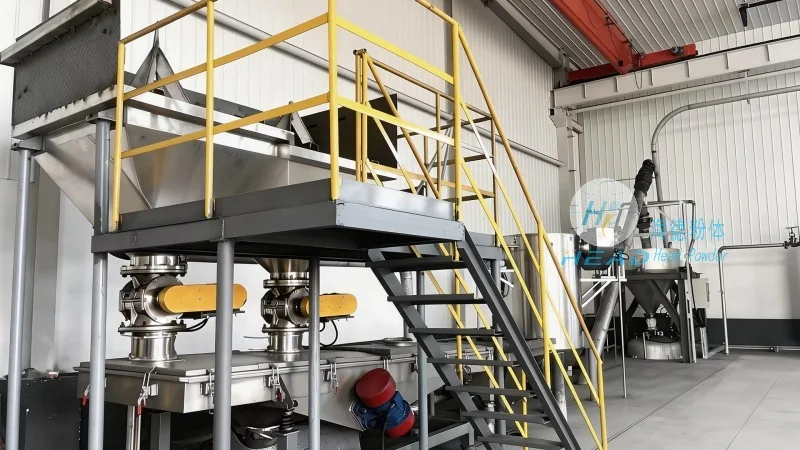
Addressing Common Challenges in Silica Conveying
Despite careful design, silica conveying systems may encounter challenges. One common issue is particle buildup or blockages in pipes, particularly at bends or fittings. This can be mitigated by using smooth pipe surfaces, avoiding sharp turns, and incorporating cleaning mechanisms like air knives or vibration systems. Another challenge is equipment wear, especially on components exposed to silica particles, such as cyclones, filters, and pipe interiors. Regular maintenance, including component replacement and cleaning, is necessary to maintain efficiency. Additionally, system noise and vibration can be reduced by using soundproof enclosures and vibration isolators, improving workplace safety and comfort.
Conclusion and Recommendations
In conclusion, designing a silica aerodynamic conveying system requires a comprehensive approach that considers material properties, equipment selection, and system configuration. By addressing key design considerations, such as particle size, moisture content, and system layout, engineers can optimize performance and reduce operational costs. Regular maintenance and monitoring are also essential to ensure long-term reliability. For industries handling silica, partnering with experienced engineering firms like Shandong HeadPowder Engineering Co., Ltd., based in Shandong, China, can provide tailored solutions and expert guidance. Their expertise in material handling systems ensures that systems are designed to meet specific operational needs, delivering efficient and reliable silica transport.




