When designing a sweet potato starch pneumatic conveying system, several critical factors must be considered to ensure efficient operation, reliability, and cost-effectiveness. The system's performance directly impacts the overall production efficiency of starch processing facilities, making careful planning and engineering essential. Shandong HeadPowder Engineering Co., Ltd., a leading provider of material handling solutions, specializes in designing and implementing customized pneumatic conveying systems tailored to the unique needs of starch processing industries.
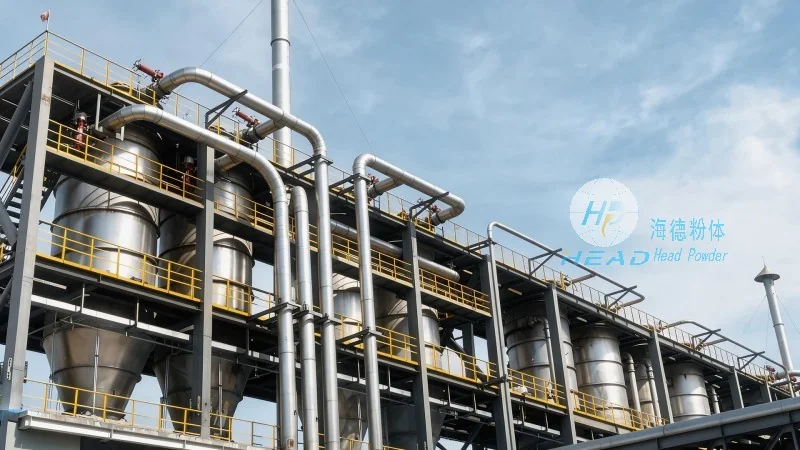
Key Design Considerations for Pneumatic Conveying Systems
Proper system design begins with understanding the material characteristics of sweet potato starch. This includes analyzing particle size distribution, moisture content, and bulk density, as these properties influence the selection of conveying air velocity, pressure, and equipment type. For instance, starch particles are typically fine and have a low bulk density, which requires higher air velocities to maintain a stable flow and prevent clogging in the pipeline.
System Components and Their Roles
The core components of a pneumatic conveying system for sweet potato starch include the material feed hopper, air compressor, conveying pipeline, and discharge receiver. Each component must be selected and sized appropriately to meet the system's requirements. The feed hopper is designed to provide a consistent material feed rate, preventing surges or interruptions that could disrupt the conveying process. The air compressor generates the necessary pressure and volume of air to transport the starch particles through the pipeline. The conveying pipeline's diameter, length, and material (e.g., stainless steel or plastic) are critical factors that affect system efficiency and maintenance costs. The discharge receiver collects the starch at the end of the conveying line, ensuring a clean and controlled discharge.
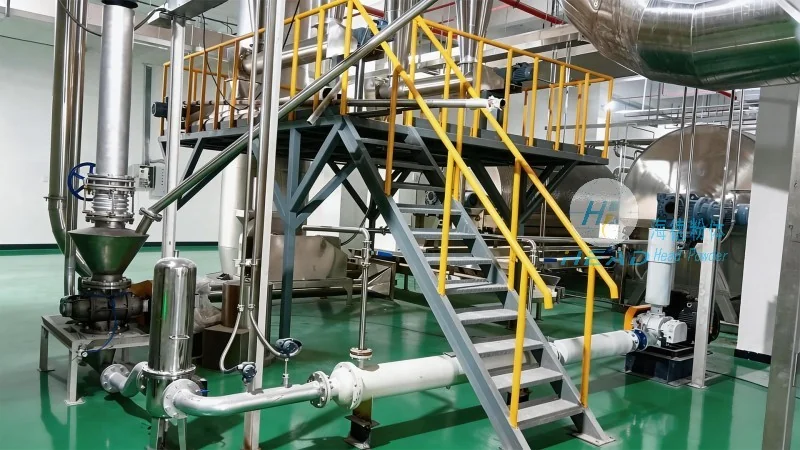
Material Handling Challenges and Solutions
Sweet potato starch presents unique challenges in material handling due to its fine particle size and potential for static electricity. Fine particles can cause clogging in pipelines and equipment, while static electricity may lead to material buildup and operational issues. To address these challenges, engineers often incorporate anti-static measures, such as grounding and ionizers, into the system design. Additionally, using smooth, non-stick pipeline materials and maintaining proper air flow rates can help prevent clogging and ensure smooth material transport.
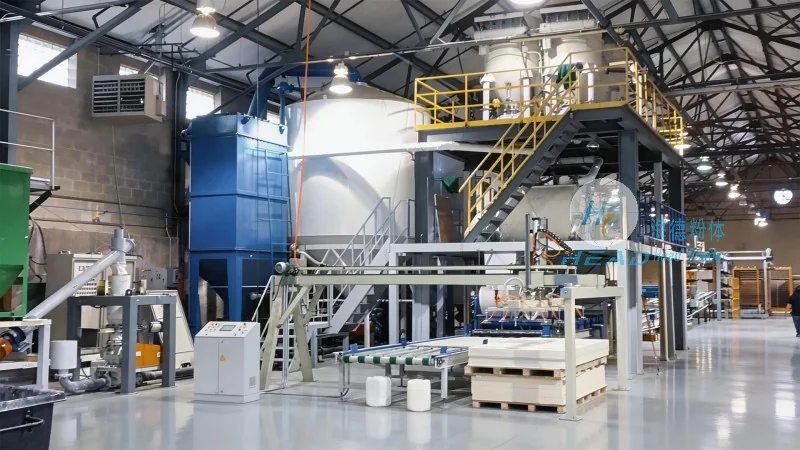
Energy Efficiency and Cost Optimization
Energy consumption is a significant factor in the operation of pneumatic conveying systems. To optimize energy use, engineers may consider using variable frequency drives (VFDs) for the air compressor, which adjust the air volume based on the material feed rate. This reduces energy waste during periods of low material flow. Additionally, selecting the appropriate pipeline diameter and air velocity can minimize energy consumption while maintaining efficient conveying. Regular maintenance, such as cleaning filters and checking for air leaks, is also essential to keep energy costs low and ensure system longevity.
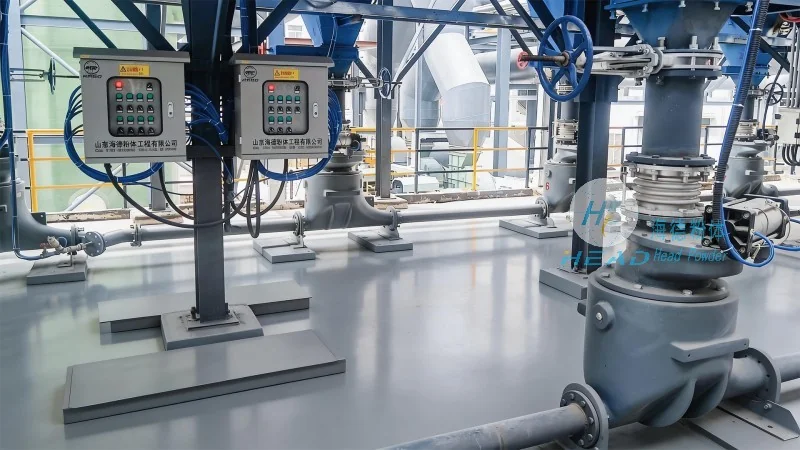
System Integration and Scalability
When integrating a sweet potato starch pneumatic conveying system into an existing production line, it is crucial to consider the system's compatibility with other equipment. The system should be designed to work seamlessly with upstream and downstream processes, such as starch extraction and drying. Scalability is another important consideration, as the system may need to accommodate future production increases. Modular design allows for easy expansion of the system without major overhauls, ensuring long-term investment value.
Conclusion: Ensuring Reliable and Efficient Starch Processing
Designing a pneumatic conveying system for sweet potato starch requires a comprehensive approach that addresses material characteristics, system components, operational challenges, and cost considerations. By carefully evaluating these factors and implementing appropriate solutions, manufacturers can achieve reliable, efficient, and cost-effective starch processing. The expertise of companies like Shandong HeadPowder Engineering Co., Ltd. plays a vital role in developing tailored solutions that meet the specific needs of starch production facilities, ensuring optimal performance and long-term success.




