When designing pneumatic conveying systems for lithium-ion battery materials, several critical factors must be considered to ensure efficiency, safety, and reliability. These systems are essential in the production and processing of materials used in lithium-ion batteries, such as cathode active materials, anode materials, and various additives. The design process involves a comprehensive evaluation of material properties, operational requirements, and environmental considerations to optimize performance.
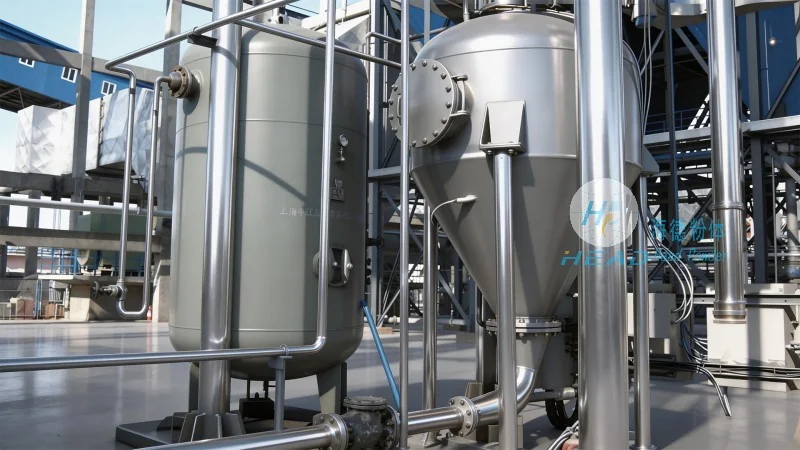
Material Properties and Handling Characteristics
One of the primary considerations in system design is the physical and chemical properties of the lithium-ion battery materials being conveyed. These materials often include fine powders, such as lithium cobalt oxide (LiCoO₂), lithium iron phosphate (LiFePO₄), and graphite, which can exhibit varying flowability, dustiness, and reactivity. Understanding these characteristics is crucial for selecting the appropriate conveying method—whether it be dilute-phase, dense-phase, or a hybrid system. For example, fine powders with high dust generation may require sealed systems to prevent contamination and environmental hazards. The particle size distribution, moisture content, and electrostatic charge of the materials also impact the selection of air velocity, pressure, and equipment design. Proper characterization of material properties helps in determining the optimal air-to-material ratio, which directly affects the system's efficiency and energy consumption.
System Configuration and Components
The configuration of a pneumatic conveying system for lithium-ion battery materials typically includes several key components: a material feed hopper, a conveying line (often with bends and expansions), a receiver or collection hopper, and a dust collection system. The choice of components depends on the material's handling characteristics and the required conveying distance. For instance, dilute-phase systems use high air velocities to transport materials in a suspended state, while dense-phase systems employ lower velocities and higher pressure to move material in a slurry-like state. The material feed hopper must be designed to prevent material bridging or agglomeration, which can disrupt the flow. This may involve the use of vibrators, agitators, or air knives to ensure consistent material release. The conveying line's diameter and length are critical, as they affect the pressure drop and energy requirements. Properly sized bends and expansions help maintain material suspension and prevent particle deposition or blockages. The receiver or collection hopper should be equipped with a dust collection system, such as a baghouse or cartridge filter, to capture any airborne particles and ensure compliance with environmental regulations. The system's control system, including sensors for pressure, flow, and level, is essential for monitoring and maintaining optimal operation.
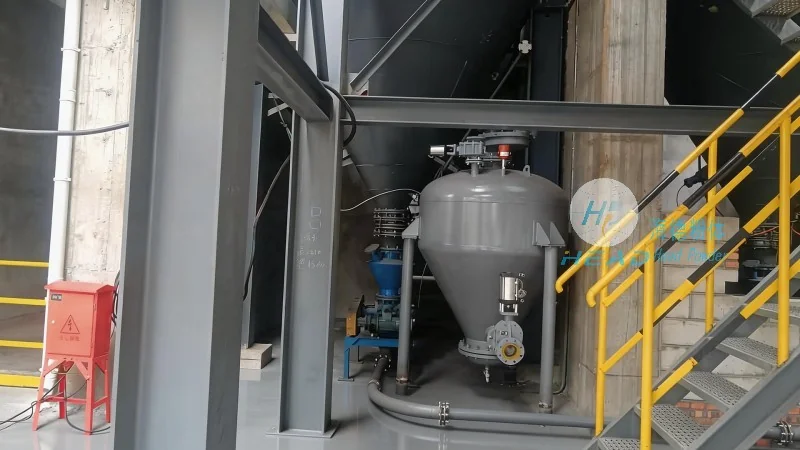
Airflow and Pressure Management
Effective airflow and pressure management are vital for the performance of pneumatic conveying systems. The air velocity must be sufficient to keep the material particles suspended but not so high as to cause excessive wear on the system components or energy waste. For fine powders, typical air velocities range from 20 to 40 m/s in dilute-phase systems. The pressure within the system is determined by the conveying distance, material properties, and system configuration. Higher pressure systems are often used for longer distances or when conveying materials with poor flowability. The pressure drop across the system components, including the feed hopper, conveying line, and receiver, must be minimized to reduce energy consumption. This can be achieved by using smooth, well-designed components and maintaining proper alignment. Proper sealing of the system is also crucial to prevent air leakage, which can reduce efficiency and increase energy costs. The use of air compressors and blowers with appropriate capacity and efficiency is essential for maintaining consistent airflow and pressure.
Safety and Environmental Considerations
Safety and environmental compliance are paramount when designing pneumatic conveying systems for lithium-ion battery materials. These materials may be hazardous, such as certain cathode active materials that can be toxic or reactive. The system must be designed to prevent dust explosions, which can occur due to the presence of combustible dust and an ignition source. This involves implementing explosion-proof designs, using inert gases if necessary, and installing dust collection systems to minimize dust release. The system should also be equipped with safety interlocks and alarms to detect and respond to abnormal conditions, such as overpressure or material blockages. Environmental considerations include the need to minimize dust emissions and ensure proper disposal of any waste materials. The use of sealed systems and efficient dust collection helps in reducing the environmental impact. Compliance with local regulations regarding air quality and material handling is essential for the long-term operation of the system.
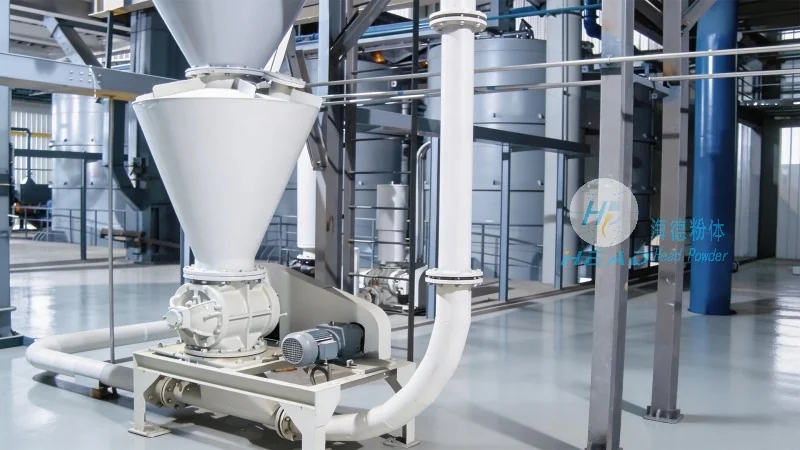
Integration with Production Processes
Pneumatic conveying systems for lithium-ion battery materials are often integrated into larger production lines. The design must consider the system's compatibility with existing equipment and processes. This includes ensuring proper material transfer between the conveying system and other processing units, such as mixers, classifiers, or packaging equipment. The system should be designed to maintain material quality and prevent contamination during transfer. For example, when conveying cathode active materials to a mixing unit, the system must ensure that the material is not exposed to moisture or air, which can affect its performance. The integration also involves coordinating the system's operation with other production steps, such as batch timing and material flow rates. Proper synchronization helps in optimizing the overall production efficiency and reducing downtime. The system's control system should be capable of communicating with other production equipment to ensure seamless operation.
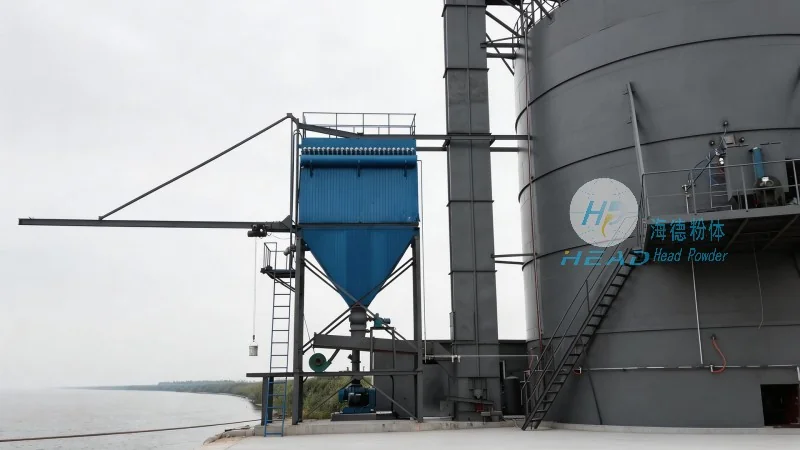
Maintenance and Operational Efficiency
Maintenance and operational efficiency are key factors in the long-term performance of pneumatic conveying systems. Regular maintenance is required to ensure the system operates at optimal levels. This includes cleaning the conveying line, replacing worn components, and checking the performance of the dust collection system. The use of high-quality materials and components can reduce the frequency of maintenance and extend the system's lifespan. Operational efficiency can be improved by monitoring system performance parameters, such as pressure drop, airflow, and material flow rate. Data analysis can help identify areas for improvement and optimize system settings. The system should be designed for easy access to components for maintenance, which reduces downtime and maintenance costs. Proper training of operators on system operation and maintenance is also essential for ensuring the system's reliability and efficiency.
Conclusion
Designing a pneumatic conveying system for lithium-ion battery materials requires a thorough understanding of material properties, system components, and operational requirements. By considering factors such as material handling characteristics, system configuration, airflow management, safety, and integration with production processes, engineers can develop a system that is efficient, reliable, and safe. The use of advanced technologies and proper maintenance practices further enhances the system's performance and longevity. For companies in the lithium-ion battery industry, investing in well-designed pneumatic conveying systems is crucial for improving production efficiency and ensuring product quality. Shandong HeadPowder Engineering Co., Ltd., a leading provider in this field, offers expert solutions tailored to the specific needs of lithium-ion battery material processing, ensuring optimal performance and compliance with industry standards.




