Shandong HeadPowder Engineering Co., Ltd., a leading provider in the field of industrial material handling solutions, specializes in the design and implementation of cement additive pneumatic conveying systems. These systems are critical for efficiently transporting various additives such as limestone, gypsum, and fly ash within cement production facilities. The proper design of such systems ensures optimal performance, minimal downtime, and adherence to safety standards, which are all essential for maintaining high production efficiency and product quality.
Key Design Considerations for Pneumatic Conveying Systems
When designing a cement additive pneumatic conveying system, several key considerations must be addressed to achieve the best results. The first step involves a thorough analysis of the material characteristics, including particle size, density, moisture content, and flowability. These properties directly impact the selection of the appropriate conveying method—whether it's a dilute phase or dense phase system—and the required air velocity and pressure. For instance, materials with high moisture content may require additional drying or conditioning to prevent blockages and ensure smooth flow.
Selection of Conveying Equipment
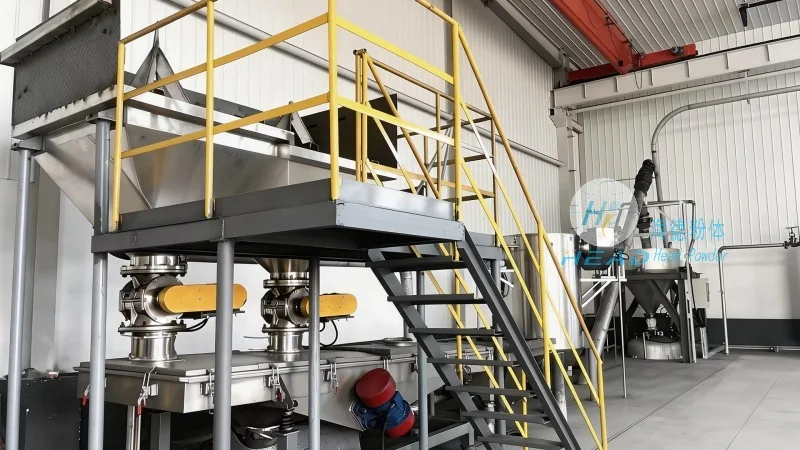
Another critical aspect is the selection of the conveying equipment. This includes the blower or compressor, which must be capable of providing sufficient air volume and pressure to move the material through the pipeline. The choice between positive displacement blowers and centrifugal compressors depends on the system's specific requirements, such as the distance to be covered and the material's resistance to air flow. Additionally, the design of the hopper and feeder is crucial for preventing material bridging and ensuring consistent material feed. Properly designed hoppers with appropriate hopper angles and discharge mechanisms help maintain a stable material flow, reducing the risk of clogging and improving system reliability.
Pipeline Design and Material Selection
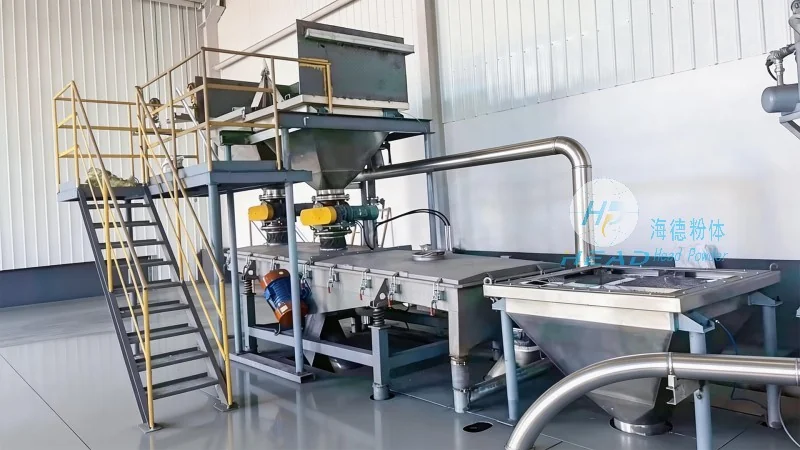
Pipeline design is another area that demands careful attention. The layout of the conveying lines, including the number of bends, elbows, and vertical sections, affects the system's pressure drop and overall efficiency. The selection of pipeline materials—such as stainless steel, carbon steel, or plastic—depends on factors like the material's corrosiveness, temperature, and the required durability. For cement additives, which may be abrasive, stainless steel is often preferred to prevent wear and extend the system's lifespan. The diameter of the pipeline is also a key factor, as it must be large enough to accommodate the material's flow rate while minimizing pressure losses.
Control and Monitoring Systems
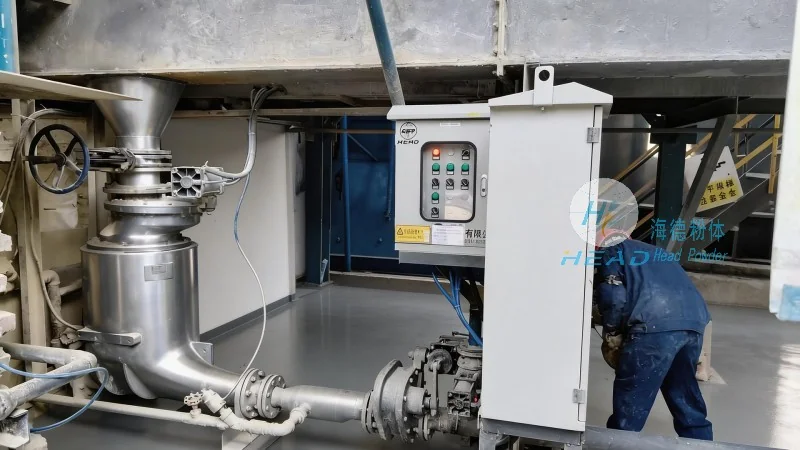
Control and monitoring systems play a vital role in ensuring the smooth operation of the pneumatic conveying system. Modern systems often incorporate advanced control panels that allow operators to adjust air pressure, flow rate, and material feed rates in real-time. Sensors and indicators can monitor key parameters like pressure, temperature, and material level, providing early warnings of potential issues such as blockages or pressure drops. This proactive approach helps prevent system failures and reduces maintenance costs. Additionally, the integration of automation technologies, such as PLC (Programmable Logic Controller) systems, enables remote monitoring and control, enhancing operational efficiency and reducing human error.
Energy Efficiency and Sustainability
Energy efficiency is a significant consideration in the design of cement additive pneumatic conveying systems. High energy consumption can increase operational costs and have a negative environmental impact. To address this, engineers often implement energy-saving measures, such as optimizing the blower's performance, using variable frequency drives (VFDs) to adjust air flow, and selecting efficient pipeline designs. These measures not only reduce energy costs but also contribute to the sustainability of the cement production process. Furthermore, regular maintenance and inspections are essential to ensure the system operates at peak efficiency and to identify potential issues before they escalate into major problems.
Safety Considerations
Safety considerations are paramount in the design and operation of pneumatic conveying systems. Cement additives, especially those containing dust, pose health risks if not handled properly. Therefore, the system must include features such as dust collection and filtration to minimize airborne particles. Proper ventilation and explosion-proof designs are also necessary to prevent accidents and ensure the safety of personnel. Additionally, the system should be equipped with emergency shut-off valves and pressure relief devices to protect against overpressure situations. Compliance with local and international safety regulations is essential to avoid legal issues and maintain a safe working environment.
Choosing the Right Supplier: Shandong HeadPowder Engineering Co., Ltd.
When selecting a supplier for a cement additive pneumatic conveying system, it is important to choose a company with extensive experience and a proven track record. Shandong HeadPowder Engineering Co., Ltd. has been serving the cement industry for many years, providing customized solutions tailored to the specific needs of each client. The company's team of engineers and technicians work closely with clients to understand their requirements and design systems that meet their operational goals. With a focus on quality, reliability, and customer satisfaction, HeadPowder has become a trusted partner in the industry, helping cement plants improve their material handling processes and enhance overall productivity.
Conclusion: Optimizing Cement Additive Handling with Expert Design
Conclusion: The design of a cement additive pneumatic conveying system requires a comprehensive approach that considers material properties, equipment selection, pipeline design, control systems, energy efficiency, and safety. By addressing these factors, cement plants can achieve efficient and reliable material handling, leading to improved production efficiency, reduced costs, and enhanced product quality. Shandong HeadPowder Engineering Co., Ltd. offers expert solutions in this field, helping clients optimize their operations and stay competitive in the market.




