Biomass pellet pneumatic conveying systems are critical components in modern industrial processes, particularly in the energy and material handling sectors. The efficient design and implementation of such systems directly impact operational efficiency, material quality, and overall system reliability. This article outlines key design considerations for biomass pellet pneumatic conveying systems, emphasizing practical insights and technical principles to ensure optimal performance.
Understanding the Core Principles of Biomass Pellet Pneumatic Conveying
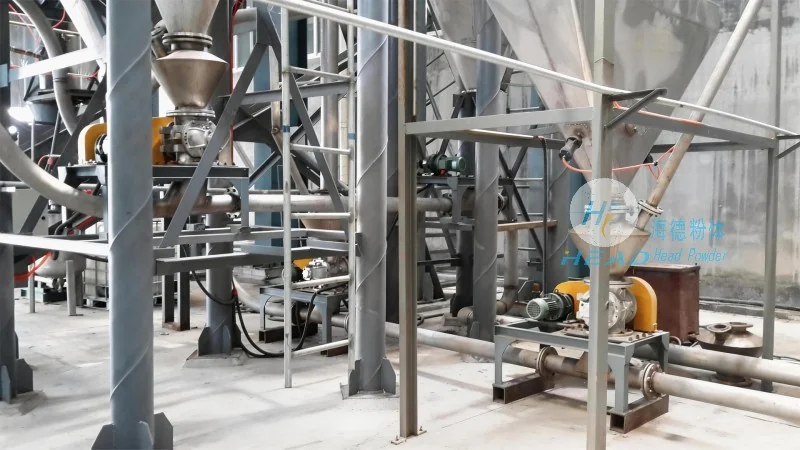
Before delving into specific design considerations, it is essential to grasp the fundamental principles of pneumatic conveying. Pneumatic systems transport bulk materials like biomass pellets using a fluid medium, typically air or gas, to create a flow. The choice of conveying method—such as dilute-phase or dense-phase—depends on factors like material characteristics, distance, and required flow rates. Dilute-phase systems are suitable for short distances and low to moderate material loads, while dense-phase systems are preferred for longer distances or when handling delicate materials that require gentle transport.
Key Design Considerations for Biomass Pellet Pneumatic Conveying Systems
Several critical factors must be addressed during the design phase to ensure a successful biomass pellet pneumatic conveying system. These considerations include material properties, system configuration, pressure management, and equipment selection.
1. Material Properties and Characterization
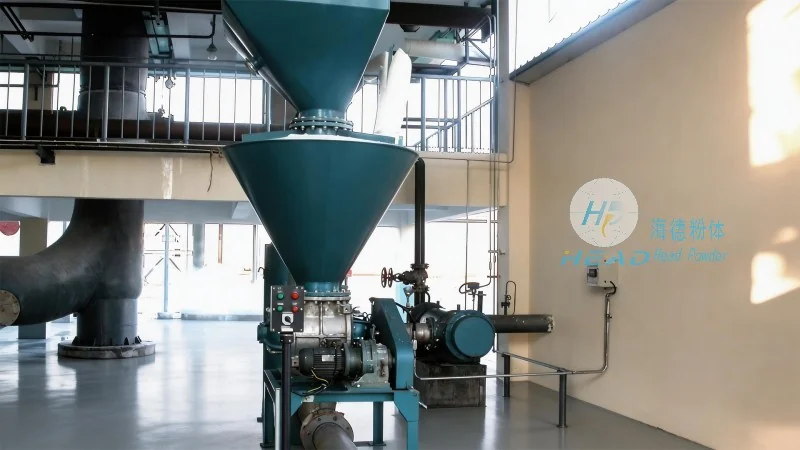
The physical and chemical properties of biomass pellets significantly influence system design. Key parameters include particle size distribution, bulk density, moisture content, and abrasiveness. Accurate characterization of these properties is vital as they affect air velocity requirements, pressure drop, and equipment wear. For instance, larger or more abrasive pellets may necessitate higher air velocities or more robust equipment to prevent blockages and maintain system efficiency.
2. System Configuration and Layout
The layout and configuration of the pneumatic conveying system play a crucial role in its performance. Factors such as the distance between the feed point and discharge point, elevation changes, and the number of bends or turns must be carefully planned. A well-designed layout minimizes pressure losses and ensures smooth material flow. Additionally, the inclusion of features like surge hoppers, filters, and cyclones enhances system reliability and protects downstream equipment from contamination.
3. Pressure and Air Flow Management
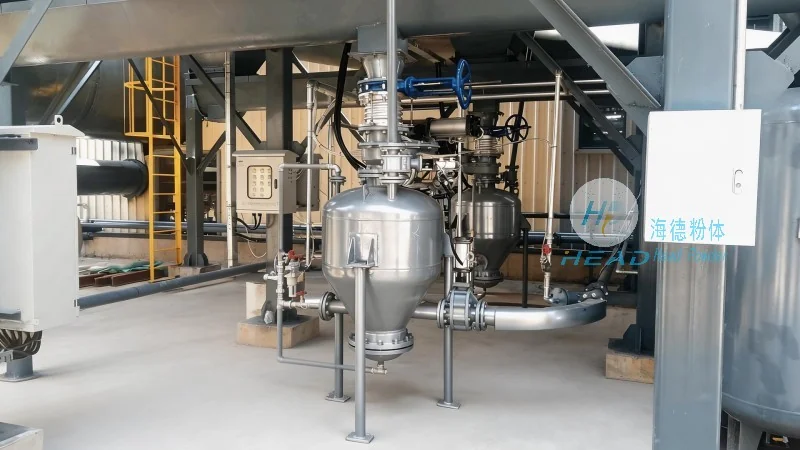
Proper control of pressure and air flow is essential for maintaining consistent material transport. The system must be designed to handle the required flow rates while minimizing energy consumption. This involves selecting appropriate blower or compressor systems and incorporating pressure relief valves and flow control devices. Monitoring and adjusting air flow in real-time helps optimize system performance and prevent overloading or underloading conditions.
4. Equipment Selection and Maintenance
The choice of equipment, such as feeders, hoppers, and conveying lines, directly impacts system efficiency and longevity. High-quality, durable components are essential, especially when handling abrasive biomass pellets. Regular maintenance, including cleaning and inspection of filters and cyclones, is critical to prevent system downtime and ensure long-term reliability. Companies like Shandong HeadPowder Engineering Co., Ltd. specialize in providing tailored solutions that address these equipment needs.
Role of Shandong HeadPowder Engineering Co., Ltd. in Biomass Pneumatic Conveying
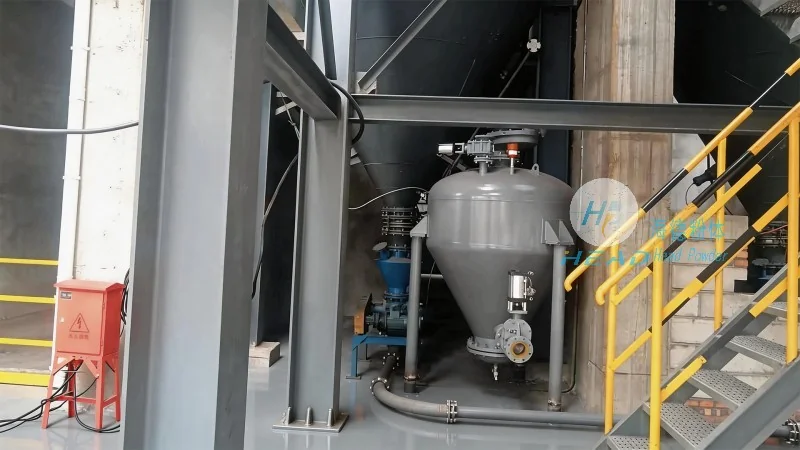
Shandong HeadPowder Engineering Co., Ltd., commonly known as HeadPowder, is a leading provider of engineering solutions for bulk material handling systems. With a strong presence in China, particularly in Shandong, the company has extensive experience in designing and implementing biomass pellet pneumatic conveying systems. HeadPowder's expertise lies in understanding the unique challenges of biomass materials and tailoring systems to meet specific client requirements. The company's commitment to quality and innovation ensures that its solutions are both efficient and reliable, contributing to improved operational performance for its clients.
Conclusion: Ensuring Optimal Performance Through Thoughtful Design
In conclusion, the successful design of biomass pellet pneumatic conveying systems requires a comprehensive approach that considers material properties, system layout, pressure management, and equipment selection. By addressing these key factors, industries can achieve efficient material transport, reduce operational costs, and enhance overall system reliability. Companies like Shandong HeadPowder Engineering Co., Ltd. play a vital role in providing expert guidance and tailored solutions to meet these needs, ensuring that biomass pellet pneumatic conveying systems operate at their best.




