Beer brewery sludge, a byproduct of the brewing process, requires efficient and reliable handling to ensure compliance with environmental regulations and maintain operational efficiency. Air-driven conveying systems have emerged as a preferred solution for transporting these sludges due to their ability to handle abrasive materials, minimize equipment wear, and reduce the risk of contamination. However, the successful implementation of such systems depends heavily on careful design and consideration of various factors. This article outlines critical design considerations for air-driven beer brewery sludge conveying systems, providing insights into optimizing performance, durability, and operational safety.
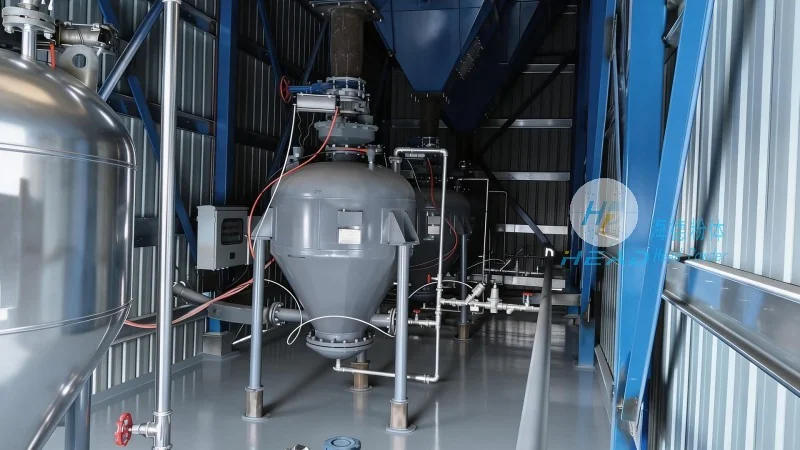
Introduction to Air-Driven Conveying Systems for Brewery Sludge
Before delving into specific design considerations, it is essential to understand the fundamental principles of air-driven conveying. These systems utilize compressed air to transport bulk materials, such as brewery sludge, through a pipeline network. The process involves creating a pressure differential that propels the material forward, often with the assistance of a hopper or feeder that introduces the sludge into the system. Air-driven conveyors are particularly advantageous for brewery sludge due to its high moisture content and abrasive nature, as they can handle these challenges without the need for mechanical components that would otherwise suffer from rapid wear.
Key Design Considerations for Efficient Sludge Handling
Designing an air-driven conveying system for brewery sludge involves a multi-faceted approach that addresses material properties, system layout, and operational requirements. The first step is to conduct a thorough analysis of the sludge characteristics, including its moisture content, particle size distribution, and density. These parameters directly influence the required air velocity, pressure, and system capacity. For instance, higher moisture content may necessitate higher air volumes to maintain proper flow, while larger particle sizes may require larger diameter pipelines and more robust air nozzles.
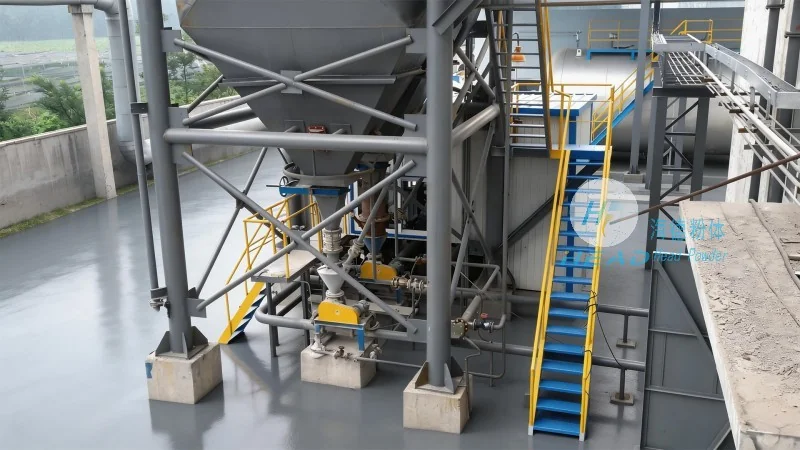
Material Characteristics and System Sizing
Accurate characterization of the sludge is paramount to sizing the conveying system correctly. The system's capacity, typically measured in cubic meters per hour or tons per hour, must be matched to the expected sludge flow rate. Oversizing can lead to unnecessary energy consumption and increased operating costs, while undersizing may result in system blockages or reduced throughput. Additionally, the choice of pipeline material is critical. Stainless steel or high-grade plastic pipes are commonly used due to their resistance to corrosion and abrasion from the sludge. The diameter of the pipeline is determined by the air velocity required to maintain a stable flow, which is typically between 20 to 30 meters per second for most sludge types.
Air Supply and Pressure Management
Proper air supply and pressure management are critical to the performance of air-driven conveying systems. The air compressor must be capable of delivering the required pressure and volume, often ranging from 4 to 8 bar, depending on the system's length and elevation changes. The compressor's capacity should be sized to account for pressure losses due to friction in the pipeline and the resistance of the conveying line's components, such as bends and filters. Pressure regulators and control valves are essential to maintain consistent pressure, preventing fluctuations that could disrupt the flow of sludge. Additionally, air filtration systems are necessary to remove contaminants from the compressed air, as particulate matter can damage the system's components and affect the quality of the conveyed material.
Equipment Selection and Installation
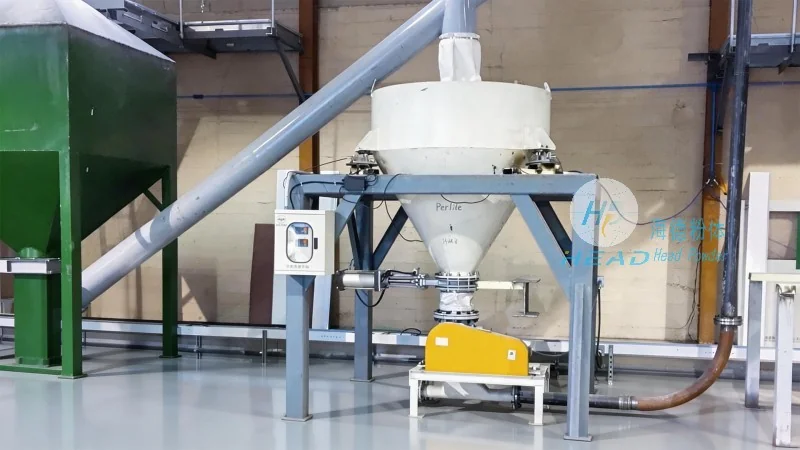
The selection of key equipment, including feeders, hoppers, and air nozzles, plays a crucial role in the system's efficiency. Feeders, such as rotary valves or screw conveyors, are used to introduce the sludge into the pipeline at a controlled rate. The design of the hopper must ensure that the sludge flows smoothly into the feeder, minimizing the risk of bridging or clogging. Air nozzles, typically made of stainless steel or high-grade plastic, are installed at intervals along the pipeline to introduce compressed air and maintain the flow of sludge. The spacing and size of the nozzles are determined based on the sludge's characteristics and the pipeline length. Proper installation of the pipeline, including adequate support and alignment, is essential to prevent sagging or kinking, which can cause pressure losses and system inefficiencies.
Maintenance and Operational Best Practices
Regular maintenance is vital to ensure the longevity and reliability of air-driven conveying systems. This includes inspecting and cleaning air filters, checking for leaks in the pipeline, and monitoring the performance of the compressor and feeder. Operational best practices, such as maintaining consistent air pressure and flow rates, can significantly extend the system's lifespan and reduce downtime. Additionally, training operators on proper system operation and troubleshooting procedures is essential to minimize the risk of system failures and ensure optimal performance.
Company Profile and Expertise
Shandong HeadPowder Engineering Co., Ltd., a leading provider of engineering solutions for bulk material handling, specializes in designing and manufacturing air-driven conveying systems tailored to the unique needs of the brewing industry. With years of experience in the field, HeadPowder Engineering has developed a deep understanding of the challenges associated with handling brewery sludge and has developed innovative solutions to address these challenges. The company's commitment to quality and customer satisfaction has made it a trusted partner for breweries worldwide. HeadPowder Engineering's headquarters are located in Shandong, China, where the company's team of experts provides comprehensive support, from system design and installation to maintenance and troubleshooting. By leveraging their expertise and experience, HeadPowder Engineering helps breweries optimize their sludge handling processes, reduce operational costs, and comply with environmental regulations.




