Inorganic salt crystals, such as sodium chloride, potassium chloride, or calcium carbonate, are widely used in various industrial processes, including chemical manufacturing, food processing, and pharmaceutical production. The efficient and safe transport of these crystals from storage to processing units is essential for maintaining production continuity and minimizing operational disruptions. Pneumatic conveying systems offer a viable solution for this purpose, as they can handle bulk materials without the need for mechanical components like conveyors or elevators. However, the design of an effective pneumatic conveying system requires careful consideration of several key factors to ensure optimal performance and longevity.
Key Design Considerations for Pneumatic Conveying Systems
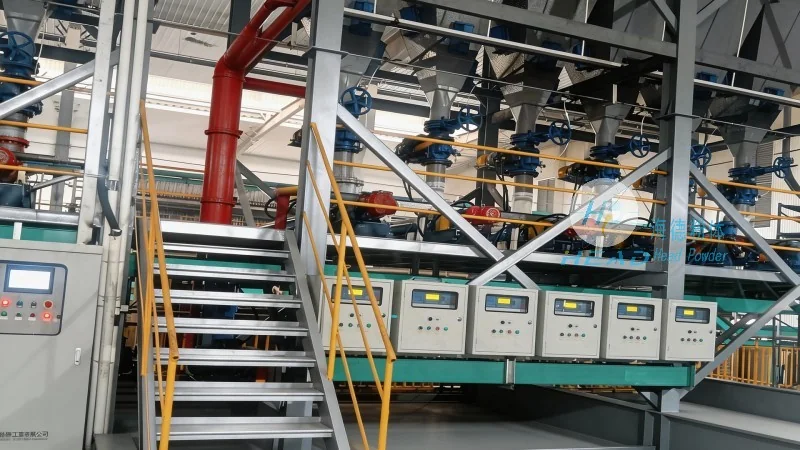
When designing a pneumatic conveying system for inorganic salt crystals, several critical aspects must be addressed to achieve reliable operation. The first consideration is the selection of the appropriate conveying method, which can be categorized into two main types: dilute-phase and dense-phase. Dilute-phase systems use low air velocity and low pressure, suitable for short distances and low to medium particle sizes. Dense-phase systems, on the other hand, use higher air velocity and pressure to create a slurry-like flow, ideal for longer distances and larger particles. The choice between these methods depends on the specific characteristics of the salt crystals and the layout of the facility.
Material Selection and Equipment Design
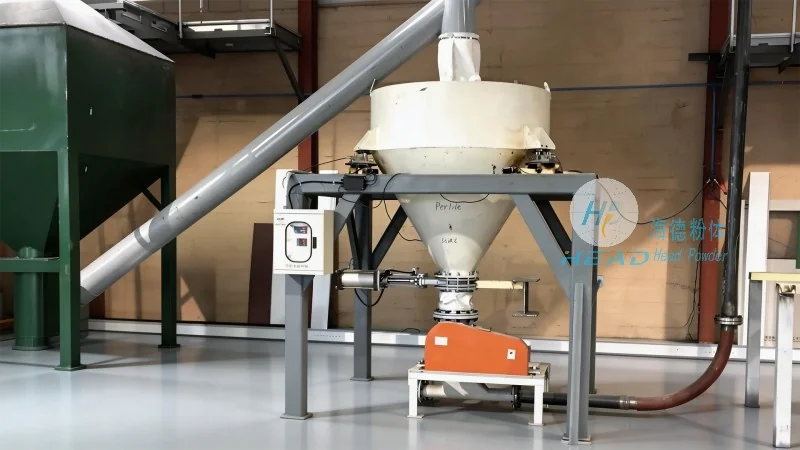
The selection of materials for the conveying system components is another crucial factor. Inorganic salt crystals can be abrasive and corrosive, especially if they contain moisture or other chemicals. Therefore, the system must be constructed from materials that can withstand these conditions, such as stainless steel, aluminum, or specialized coatings. The equipment, including the hopper, feeder, and pipeline, must be designed to prevent blockages and ensure smooth material flow. For example, the hopper should have a conical shape to facilitate material discharge, and the feeder should be equipped with a rotary valve or a star feeder to control the flow rate accurately. The pipeline diameter and length are also critical, as they directly affect the air velocity and pressure required for conveying.
Pressure and Air Flow Management
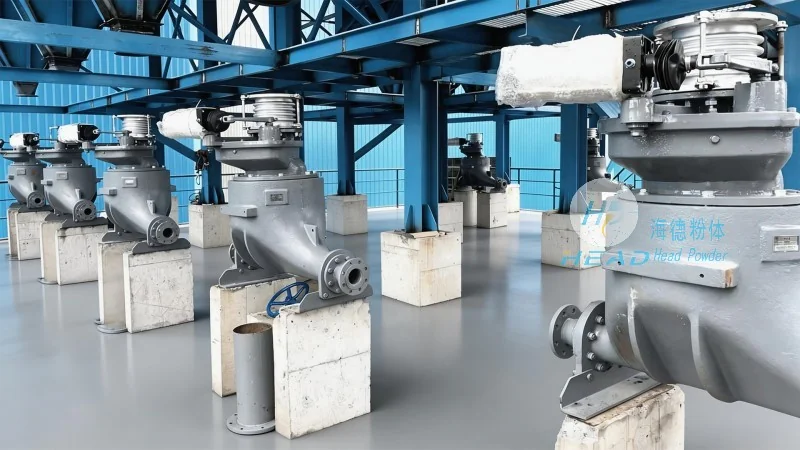
Effective pressure and air flow management is essential for the performance of a pneumatic conveying system. The system must be designed to maintain a consistent pressure gradient along the pipeline to ensure that the salt crystals are continuously transported. This involves the use of appropriate air compressors, filters, and regulators to control the air flow and pressure. The air flow rate must be optimized to prevent excessive pressure drops, which can lead to material deposition or blockages. Additionally, the system should include pressure relief valves and safety devices to prevent over-pressurization and ensure operator safety.
System Integration and Maintenance
Integrating the pneumatic conveying system with other equipment in the facility is important for seamless operation. The system should be designed to work in conjunction with storage silos, processing units, and control systems to ensure smooth material flow. Regular maintenance is also essential to keep the system operating efficiently. This includes cleaning the pipeline and equipment, replacing worn parts, and monitoring the system performance. By following these maintenance procedures, the system can be kept in optimal condition, reducing downtime and maintenance costs.
Conclusion and Company Expertise
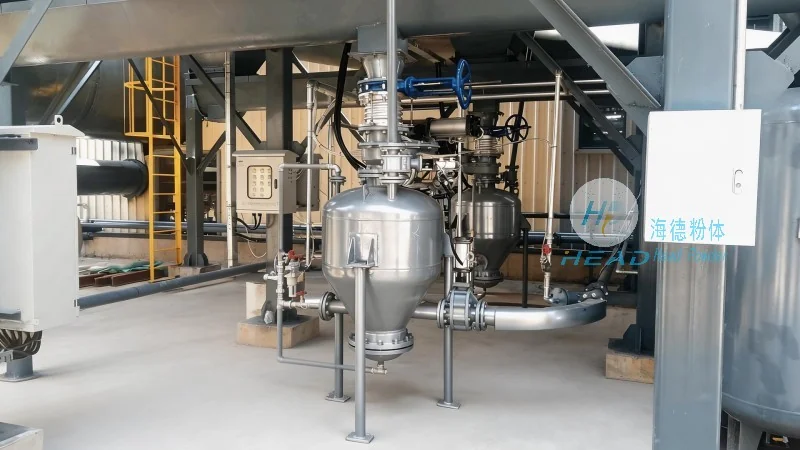
Designing a pneumatic conveying system for inorganic salt crystals requires a comprehensive approach that considers the material characteristics, system layout, and operational requirements. Shandong HeadPowder Engineering Co., Ltd., with its expertise in engineering and manufacturing, provides customized solutions tailored to the specific needs of clients. The company’s team of experienced engineers uses advanced design software and industry best practices to develop efficient and reliable systems that meet the highest standards of performance and safety. By choosing headpowder, clients can ensure that their pneumatic conveying systems are designed and built to deliver optimal results, supporting their industrial operations effectively.




